Rover Marine buyer calendar
The best time to buy a boat depends on what you value most
Fall can be a smart buying window in seasonal boating markets because demand slows, sellers get more practical, and buyers have time to prepare before spring. Spring can still be right if you need the widest selection. The best month depends on price, inventory, storage, paperwork, and when you want to launch.

For many buyers in seasonal boating markets, the stretch from late summer through fall is worth paying attention to. The boating season is winding down, some private sellers want to avoid winter storage, and dealers may be looking ahead to the next model year.
That does not mean every fall boat is discounted, and it does not mean every spring boat is overpriced. A buyer who needs a specific size, color, motor, and package may be better off shopping earlier. A flexible buyer who values leverage, prep time, and quieter shopping may prefer fall or winter.
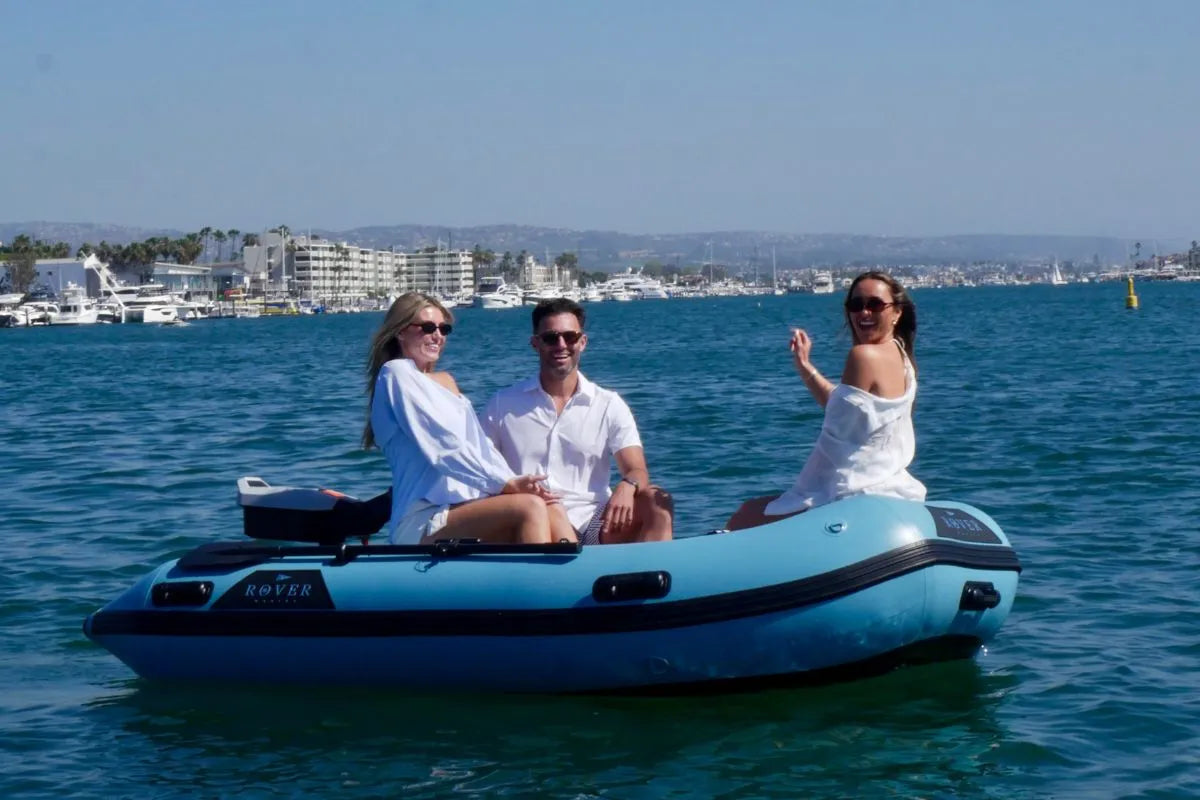
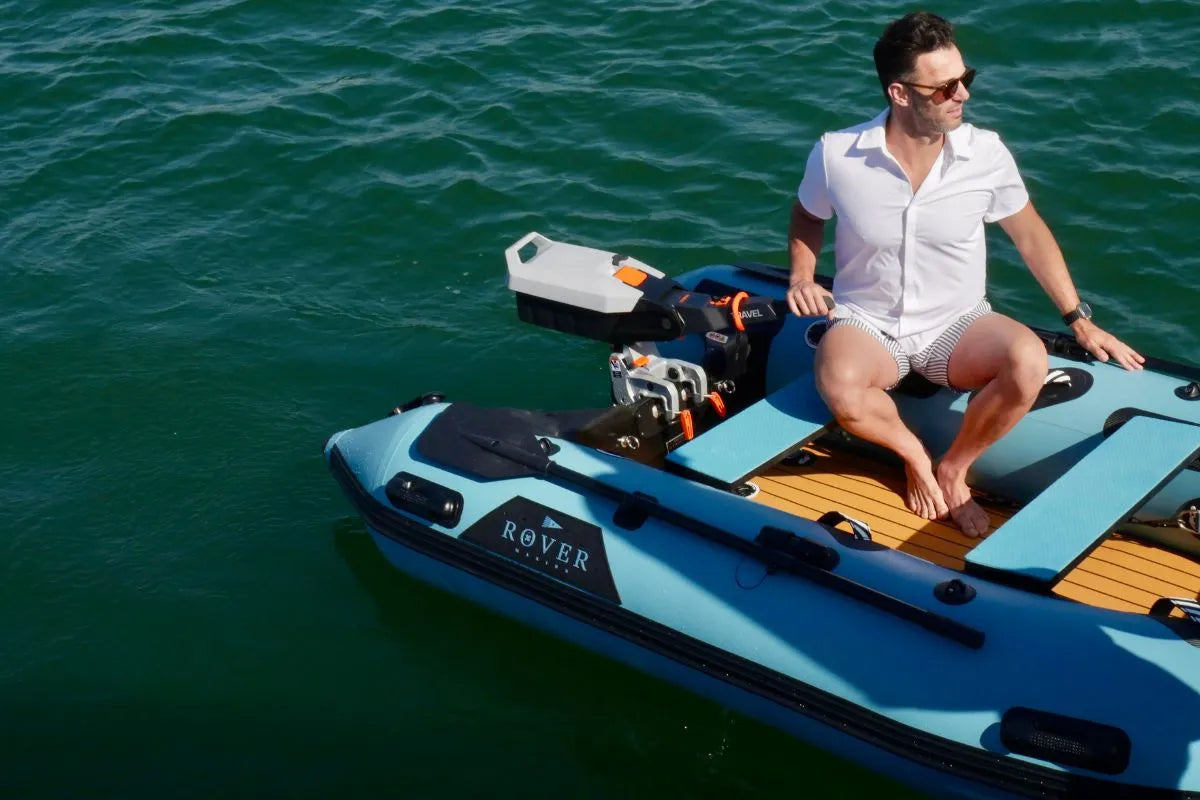
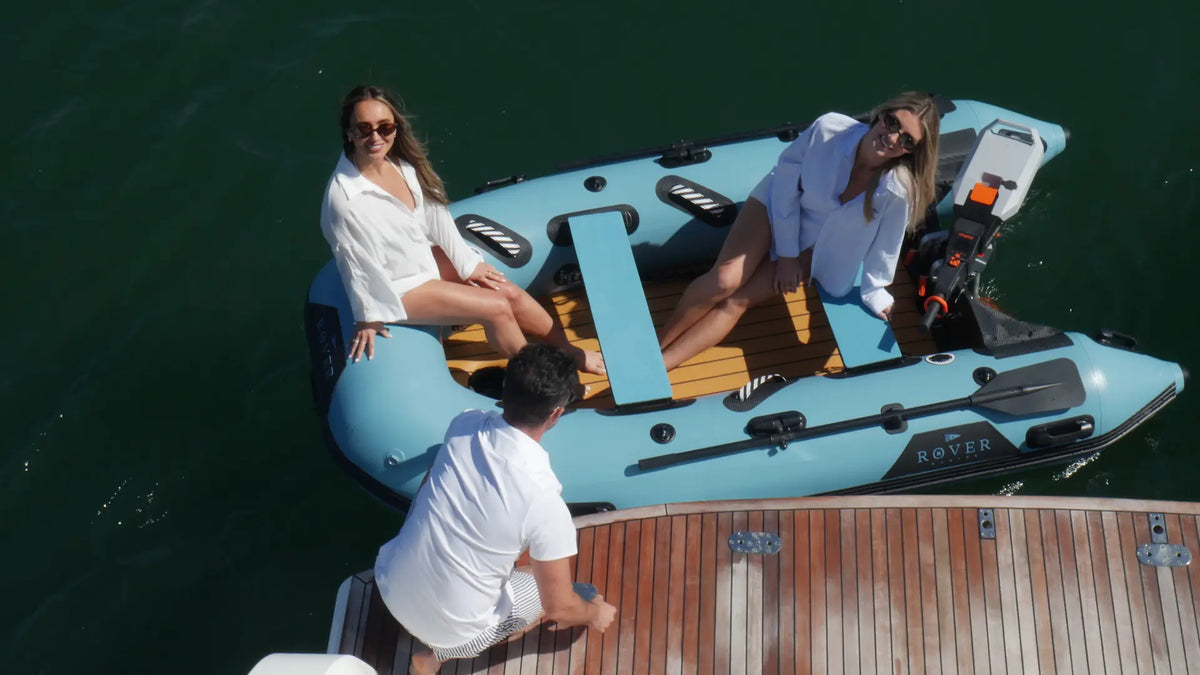
Our bias, stated up front: Rover Marine builds portable inflatables that can be stored without a dedicated slip or trailer in many situations. That changes the off-season math compared with a larger rigid boat, but it does not remove registration, storage, motor care, safety gear, insurance, or local access costs.
Why fall pricing can exist at all
Fall is not magic. It is a market shift. In many northern and seasonal areas, buyers slow down after Labor Day, boating weekends get shorter, and owners start thinking about winter storage. That can create more room to negotiate, especially on used boats and inventory that has been sitting.
Fewer buyers are shopping
When summer ends in seasonal markets, fewer people are rushing to buy a boat for immediate weekend use. Less pressure can give patient buyers more time to compare and ask questions.
Sellers may want to avoid winter costs
A private seller who already decided to sell may not want to pay for winterization, storage, insurance, or months of carrying costs before listing again in spring.
Model-year turnover can create pressure
Dealers may need room for incoming inventory or may want to move current-year models. That can help, but it is not a guaranteed discount schedule.
Location changes everything
The fall effect is usually stronger in places with a real winter. In Florida, the Gulf, southern California, and other year-round markets, the seasonality may be weaker.
Simple rule: fall can improve leverage, but the right boat still matters more than the calendar. Do not buy the wrong size, wrong hull, or wrong motor fit just because the timing looks good.
Walking the year
Each season has a different advantage. Spring gives you selection. Summer gives immediate use. Fall can give leverage and prep time. Winter can give show comparison and early spring planning.

Spring: peak selection, weaker leverage
March through May is when many buyers start thinking seriously about the water again. Dealers may have more models, more configurations, and more current-year inventory available. That is the benefit.
The tradeoff is that everyone else is shopping too. Lead times can stretch, appointments fill, and sellers know buyers want to use the boat immediately. If you need an exact configuration, spring can make sense. If you are mostly shopping price, it may not be your strongest window.
Summer: immediate use, thinner choices
June through August is simple: you can use the boat right away. That matters if you need a replacement, have a trip coming, or want to avoid waiting another season.
The downside is that popular sizes and packages may already be sold, and many sellers still feel they have season left. Late August can be different, especially if a boat has sat longer than expected, but summer is usually not the cleanest bargain-hunting season.
Fall: the patient buyer's window
September through November is often the best balance for buyers who can wait to use the boat. You may find more motivated sellers, quieter shopping, more time to inspect, and a full off-season to get registration, safety gear, accessories, and setup practice handled before spring.
The tradeoff is real in colder regions. You may buy a boat you will not use for months. That can still be worthwhile if the price, fit, storage plan, and prep time work in your favor.
Winter and boat show season
Winter boat shows can be useful for comparing brands, asking questions, and seeing multiple options in one place. Some shows or dealers may offer event-specific pricing or packages, but terms vary and should be read carefully.
If you shop at a show, confirm exactly what is included, whether the offer requires a same-day deposit, what delivery timing looks like, and whether the package matches the water you actually use. For national show calendars and general buying guidance, see Discover Boating's boat-buying timing guide.
The best time to buy a boat, month by month
This section replaces the wide table from the draft with responsive cards so it stays clean on desktop and mobile.
January to February
What is goodBoat shows, dealer time, early planning, and winter comparison shopping.
What is badLong wait to launch in cold regions, plus storage or delivery timing questions.
Who it suitsPlanners, show shoppers, and buyers in warmer boating regions.
March to April
What is goodStrong selection, fresh inventory, and time to launch during the same season.
What is badMore buyer demand, tighter appointments, and weaker negotiating leverage.
Who it suitsBuyers who need an exact configuration more than the lowest possible price.
May
What is goodThe season is starting, and the boat can be used almost immediately.
What is badMany buyers are active, so sellers may have little reason to move.
Who it suitsBuyers who value immediacy and selection over maximum leverage.
June to July
What is goodYou can use the boat right away, and sea trials are easier to judge.
What is badPopular models may be gone, and sellers still have summer demand.
Who it suitsReplacement buyers, impulse buyers, and buyers with a specific trip planned.
August
What is goodSome sellers start getting more realistic as the season winds down.
What is badInventory can be thinner, and leftover choices may not match your ideal setup.
Who it suitsFlexible buyers who know their size, hull, and motor requirements.
September to October
What is goodSeasonal demand drops, sellers may want to avoid winter storage, and buyers can prepare slowly.
What is badIn cold regions, the remaining use window may be short.
Who it suitsMost patient buyers in seasonal boating markets.
November to December
What is goodQuiet market, end-of-year planning, and time to get paperwork handled.
What is badSelection may be thinner, and storage becomes part of the purchase plan.
Who it suitsPatient buyers, warmer-region boaters, and buyers with dry storage ready.
Buying in fall even when you cannot launch until spring
Many buyers treat the months between fall purchase and spring launch as dead time. Used correctly, those months are a gift.
A spring purchase can create pressure: registration, numbers, insurance, safety gear, first setup, motor decisions, and accessory choices all happen while the water is already calling. A fall purchase lets you handle those steps without a launch-day clock running.
You can register the boat and wait out processing time while it does not matter. Rules differ by state, and we cover that in Do You Have to Register an Inflatable Boat?. You can also practice setup at home, check fit in your storage space, build your safety kit, and decide whether gas or electric power makes more sense.
By the first good spring weekend, you are not learning everything at the ramp. You are launching a boat you already understand.
The inflatable advantage: simpler off-season storage
Portable storage can change the off-season calculation. A larger rigid boat may require a trailer, yard space, marina storage, winterization, or commercial storage before the first use. A portable inflatable may avoid some of that infrastructure, depending on the owner's storage space and motor setup.
Current Rover Marine deflated sizes are 38 x 24 x 15 inches at 8 ft, 45 x 28 x 18 inches at 10 ft, and 48 x 32 x 20 inches at 12 ft. Boat weights range from 84 to 135 lb by model and size, so you still need a realistic lifting and storage plan.
Owners still need suitable dry storage, motor care, registration where required, safety equipment, and any applicable insurance or access costs. If you are comparing soft inflatables with rigid hulls, read the Inflatable Catamaran vs RIB comparison.
Registration, insurance, and the paperwork clock
Two things buyers underestimate are paperwork and coverage. Registration takes as long as the agency takes, and state rules vary. Some states register any powered vessel. Some rules depend on motor type, length, or waterway. Buying before peak season gives you time to sort that out before the first warm weekend.
Insurance is worth checking early too. Ask your insurer what coverage applies to a small inflatable, whether your existing policy extends to it, what happens in storage, and whether the motor, battery, trailer, or accessories need separate documentation.
For Rover Marine coverage terms, review the current warranty page before purchase.
What not to compromise on to chase a discount
A discount on the wrong boat is not a discount. The calendar should help you buy smarter, not push you into a bad fit.
- Size: do not buy an 8 ft boat if you regularly carry four people. Rover Marine lists 2 people and 600 lb at 8 ft, 4 people and 1000 lb at 10 ft, and 4 people and 1200 lb at 12 ft.
- Hull type: choose the Battle Boat for a traditional inflatable hull layout and the Battle Cat for a dual-pontoon layout with a wider stance.
- Motor fit: current Rover Marine Battle Boat and Battle Cat models use 15 inch transoms. A discounted long-shaft outboard that does not match the boat is not a bargain.
- Power rating: current recommended power is up to 6 hp at 8 ft, up to 10 hp at 10 ft, and up to 20 hp at 12 ft. Stay within the rating for the exact model.
- Safety gear: never cut the safety kit to hit a price target.
- Coverage terms: read the warranty, return terms, and included equipment before checkout.
Fall can be a good time to buy a boat. It is not a good time to buy the wrong boat in a hurry. Start with size, load, motor fit, storage, and water type, then use the calendar to shop smarter.
Rover Marine buyer fit by season
Best for exact configuration
Shop in spring if you want the most choice and plan to use the boat immediately.
Best for immediate use
Shop in summer if you need a replacement now or have a specific trip coming up.
Best for patient buyers
Shop in fall if you want quieter comparison time, prep months, and possible off-season leverage.
Best for show research
Shop in winter if you want to compare boats, ask questions, and plan for spring delivery.
Best time to buy a boat questions
When is the best time to buy a boat?
For many buyers in seasonal U.S. markets, fall from September through November can be a strong buying window because demand slows and sellers may want to avoid winter costs. Spring offers the widest selection, while winter boat shows can be useful for comparison shopping.
Is it cheaper to buy a boat in the off-season?
It can be, especially in markets with a real winter, but discounts are not guaranteed. Off-season leverage depends on inventory, dealer or seller motivation, model-year timing, storage costs, and how flexible the buyer is.
Should I buy a boat at a boat show?
Boat shows can be helpful for comparing models, asking questions, and reviewing packages in one place. Read any show offer carefully, including deposit rules, included equipment, delivery timing, financing terms, and whether the package fits your water and storage plan.
Does it make sense to buy a boat you cannot use until spring?
It can, if the boat is inspected before purchase and you have a storage and maintenance plan. The off-season can give you time for registration, insurance, safety gear, setup practice, motor decisions, and accessory planning.
What should I not compromise on when buying a boat on sale?
Do not compromise on size, load rating, hull type, motor fit, safety gear, storage plan, or coverage terms. A lower price does not help if the boat does not fit your crew, motor, vehicle, water, or storage space.

Leave a comment
This site is protected by hCaptcha and the hCaptcha Privacy Policy and Terms of Service apply.