
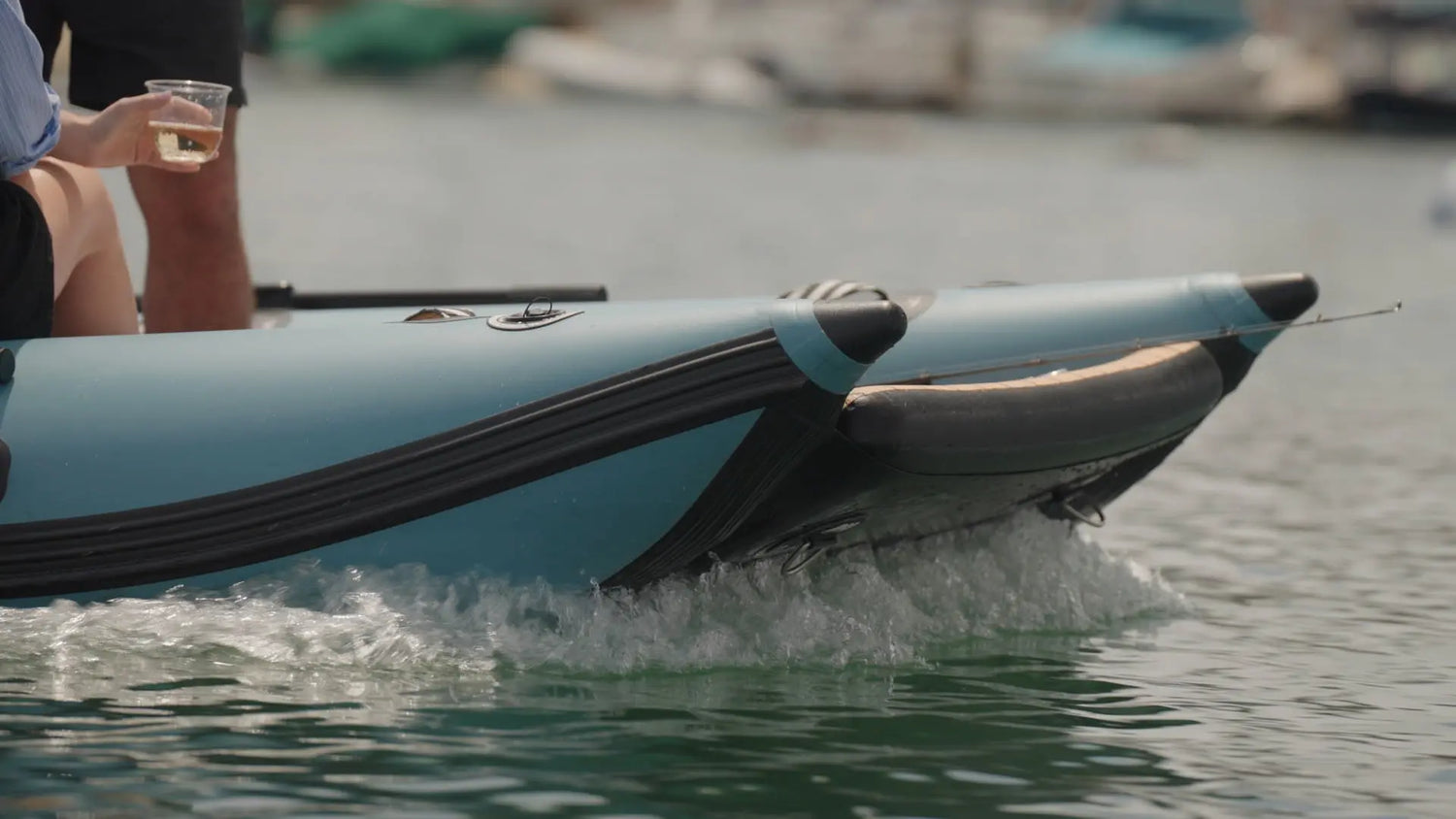
Rover Marine Review: Battle-Ready Inflatable Boats That Eliminate Trailer Trauma
Rover Marine has redefined portable performance with the Battle Boat and Battle Cat—tactical inflatable boats engineered for serious anglers, yacht owners, and water-sports enthusiasts who refuse to compromise. This comprehensive 2026 review analyzes military-grade construction, real-world performance, electric motor compatibility, and total cost of ownership to help you decide which Rover Marine model delivers the tactical advantage you need.
Whether you're evaluating yacht tenders, fishing platforms, or multi-use recreational vessels, this expert review provides the specifications, comparisons, and insights you need to deploy the right Battle Boat for your mission.
Why Rover Marine Dominates Portable Performance in 2026
Military-Grade Construction Meets Tactical Design
Rover Marine combines military-grade PVC, reinforced seam construction, and high-pressure drop-stitch floors to deliver inflatable boats that perform like rigid hulls while maintaining packable portability. This isn't recreational pool-toy engineering—these are tactical watercraft built for harsh marine environments, rocky landings, and years of hard use.
Key Engineering Advantages:
- Military-Grade PVC: UV-resistant, abrasion-resistant, saltwater-grade materials
- Reinforced Seams: Commercial-grade construction prevents separation under stress
- High-Pressure Drop-Stitch Floors: Creates rigid platforms comparable to fiberglass decks
- Multi-Chamber Design: Independent air chambers prevent total deflation if punctured
- Integrated Mounting Points: Oar locks and attachment points for gear and accessories
- Quick Deployment: Inflate and launch in minutes from bag to water
How Portability Amplifies Performance
Portability isn't just about storage—it's a tactical advantage. Rover Marine boats deflate to compact sizes (45in x 28in x 18in for 10ft models), enabling:
- Remote Launch Access: Beach launches, yacht swim platforms, bank access—no boat ramp required
- Multi-Location Deployment: Transport deflated to remote lakes, rivers, coastal zones
- Zero Storage Fees: Store in closet, garage, or yacht locker—no marina fees
- Rapid Deployment: Minutes from bag to water vs. hours of trailer prep
- Condition Chasing: Mobility to pursue optimal fishing or diving conditions
Battle Boat vs. Battle Cat: Complete Specifications
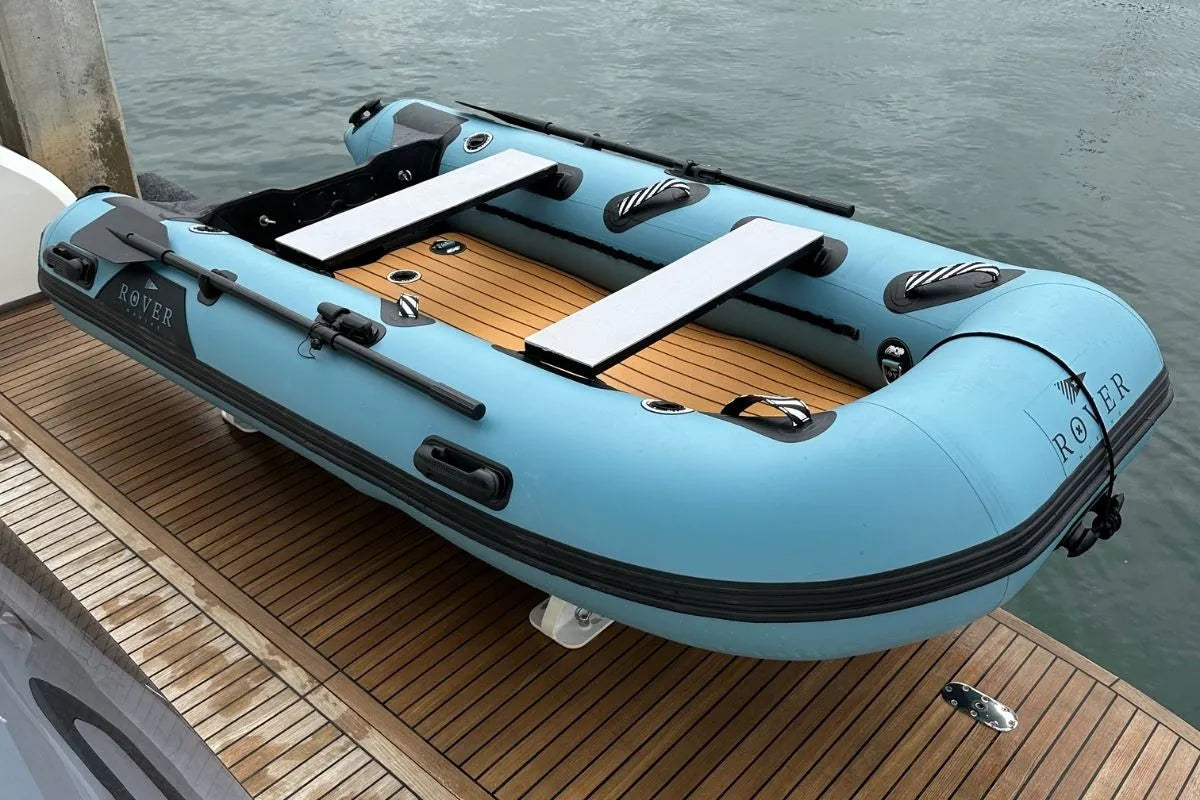
Battle Boat: Reinforced Pontoon Dinghy
The Battle Boat delivers rugged performance with reinforced pontoons engineered for versatile missions:
| Size | Weight | Capacity | Inflated Dimensions | Deflated Size | Price |
|---|---|---|---|---|---|
| 8ft | 86 lb | 2 people / 600 lb | 8ft x 4.5ft x 15in | 38in x 24in x 15in | $1,999 |
| 10ft | 100 lb | 4 people / 1000 lb | 10ft x 5ft x 18in | 45in x 28in x 18in | $2,250 |
| 12ft | 135 lb | 4 people / 1200 lb | 12ft x 5.5ft x 20in | 48in x 32in x 20in | $2,450 |
Best Use Cases:
- Yacht tender operations (guest transport, provisioning runs)
- Bass fishing (tight cover, shallow coves, lily pads)
- Dive boat (access hard-to-reach sites)
- Solo angler missions (lightweight, easy deployment)
- Coastal runs and island-hopping
Battle Cat: Dual-Pontoon Catamaran
The Battle Cat delivers superior stability with its catamaran hull design:
| Size | Weight | Capacity | Inflated Dimensions | Deflated Size | Price |
|---|---|---|---|---|---|
| 8ft | 84 lb | 2 people / 600 lb | 8ft x 4.5ft x 15in | 38in x 24in x 15in | $2,299 |
| 10ft | 98 lb | 4 people / 1000 lb | 10ft x 5ft x 18in | 45in x 28in x 18in | $2,499 |
| 12ft | 130 lb | 4 people / 1200 lb | 12ft x 5.5ft x 20in | 48in x 32in x 20in | $2,749 |
Best Use Cases:
- Flats fishing (standing stability for sight casting and fly fishing)
- Offshore runs (handles 2-3ft seas with dry, stable ride)
- Water sports (tubing, wakeboarding—wide deck for safety)
- Family cruising (comfortable platform for multi-person trips)
- Dive operations (wide deck accommodates divers and gear)
Battle Boat vs. Battle Cat: Performance Comparison
| Feature | Battle Boat | Battle Cat |
|---|---|---|
| Hull Design | Reinforced pontoon dinghy | Dual-pontoon catamaran |
| Standing Stability | Excellent | Superior (30-40% more stable) |
| Speed & Efficiency | Versatile performance | Reduced drag, increased speed |
| Maneuverability | Excellent (tight cover navigation) | Good (wider stance) |
| Deck Space | Standard platform | Wider deck (more gear capacity) |
| Rough Water (2-3ft seas) | Good | Excellent (dry, stable ride) |
| Weight (10ft model) | 100 lb | 98 lb (lighter!) |
| Best For | Speed, tight maneuvering, solo ops | Stability, offshore, multi-person |
Electric Outboard Motor Integration: Silent, Eco-Friendly Power
Rover Marine vessels are optimized for modern electric outboard motors, delivering tactical advantages for stealth operations and eco-conscious boating.

ePropulsion Spirit 1.0 Plus: Tactical Performance
The ePropulsion Spirit 1.0 Plus ($2,999) pairs perfectly with Rover Marine vessels:
- Power Output: 1 kW (equivalent to 3 HP gas motor)
- Total Weight: 42.6 lbs (motor and battery system)
- Shaft Length: Short shaft (compatible with inflatable transoms)
- Operation: Whisper-quiet, zero emissions
- Maintenance: No oil, fuel, spark plugs, or winterization required
- Design: Corrosion-resistant, sealed housing for saltwater use
- Includes: Tiller handle, quick-mount bracket, battery charger
Torqeedo Travel 1103 S: Eco-Conscious Efficiency
The Torqeedo Travel 1103 S delivers lightweight, efficient propulsion:
- Power Output: 1.1 kW (equivalent to 3.3 HP gas motor)
- Total Weight: ~35 lbs (motor + battery)
- Operation: Ultra-quiet, zero emissions
- Best For: Lightweight portability, fuel efficiency
Electric Motor Advantages
- Silent Approach: Stealth fishing for spooky species (redfish, bonefish, permit)
- Zero Fuel Costs: Charge from shore power or yacht generators
- Minimal Maintenance: No oil changes, spark plugs, or carburetor cleaning
- Regulatory Compliance: Legal in marine sanctuaries and no-wake zones
- Reduced Carbon Footprint: Sustainable boating without sacrificing performance
The American Boat & Yacht Council (ABYC) recognizes electric propulsion as a key advancement in sustainable marine recreation.
Total Cost of Ownership: ROI Analysis
| Cost Category | Rover Marine Battle Boat 10ft | Fiberglass Skiff 10ft | Savings |
|---|---|---|---|
| Initial Purchase | $2,250 | $12,000-$18,000 | $9,750-$15,750 |
| Storage (5 years) | $0 (deflates to 45in x 28in x 18in) | $6,000-$12,000 (marina fees) | $6,000-$12,000 |
| Maintenance (5 years) | $500-$1,000 | $4,000-$7,500 | $3,500-$6,500 |
| Insurance (5 years) | $750-$1,500 | $3,000-$6,000 | $2,250-$4,500 |
| Trailer | $0 | $1,500-$3,000 | $1,500-$3,000 |
| 5-Year Total Cost | $3,500-$4,750 | $26,500-$46,500 | $23,000-$41,750 |
ROI Insight: Rover Marine owners save $23,000-$42,000 over 5 years compared to fiberglass equivalents—enough to purchase 10+ additional Battle Boats or fund years of fishing trips and fuel.
Maintenance & Safety: Battle-Ready Operations
Essential Maintenance Protocol
After Every Saltwater Use:
- Rinse entire vessel with freshwater (5-10 minutes)
- Flush motor cooling system (prevents corrosion)
- Wipe down PVC surfaces to remove salt residue
- Inspect valves for sand/debris
- Dry before storage (prevents mildew)
Monthly Maintenance:
- Check air pressure in all chambers
- Inspect seams and pontoons for wear
- Lubricate motor pivot points
- Test emergency repair kit supplies
- Clean and inspect mounting points
USCG Safety Requirements
According to the U.S. Coast Guard, all motorized vessels must carry:
- USCG-Approved PFDs: One Type I, II, or III life jacket per person
- Sound-Producing Device: Whistle or horn (vessels under 39.4 feet)
- Visual Distress Signals: Flares or signal mirror (coastal/offshore ops)
- Fire Extinguisher: Required if equipped with enclosed fuel tanks
- Navigation Lights: Red/green bow + white stern for night operations
- Kill Switch Lanyard: Prevents runaway boat if operator falls overboard
Rover Marine Safety Features
- Multi-Chamber Design: Independent air chambers prevent total deflation
- Reinforced Pontoons: Enhanced stability and durability
- Integrated Oar Locks: Manual propulsion backup
- Thoughtful Deck Layout: Improves stability and handling
What Owners Say: Real-World Performance Reviews
Battle Boat Owner Feedback
Owners consistently praise the Battle Boat for:
- Durability: Military-grade construction withstands rocky landings and harsh saltwater environments
- Portability: Quick deployment and compact storage eliminate Trailer Trauma
- Versatility: Performs well as yacht tender, fishing platform, and dive boat
- Handling: Responsive maneuvering in tight cover and choppy conditions
Battle Cat Owner Feedback
Owners highlight the Battle Cat's:
- Stability: Dual-pontoon design provides confident standing platform for fishing and water sports
- Deck Space: Wider platform accommodates gear, coolers, and multiple passengers
- Rough Water Performance: Handles 2-3ft seas with dry, stable ride
- Speed: Catamaran hull reduces drag and increases efficiency
Frequently Asked Questions
What is the weight capacity of Rover Marine inflatable boats?
Capacity varies by size: 8ft models support 2 people / 600 lb; 10ft models support 4 people / 1000 lb; 12ft models support 4 people / 1200 lb. These ratings include passengers, motor, fuel, gear, and catch. Always adhere to capacity ratings for safety and performance.

How do I choose between the Battle Boat and Battle Cat?
Choose the Battle Boat for speed, tight maneuvering, and solo operations (yacht tender, bass fishing, tight cover). Choose the Battle Cat for maximum stability, offshore capability, and multi-person trips (flats fishing, water sports, family cruising). The Battle Cat is actually lighter (98 lb vs 100 lb for 10ft models) while providing superior stability.
Are Rover Marine inflatable boats suitable for rough waters?
Yes. Rover Marine boats are engineered to handle sea-state 3-5 conditions with military-grade PVC, reinforced seams, and puncture-resistant construction. The Battle Cat excels in rough water with its dual-pontoon design providing a dry, stable ride in 2-3ft seas. Always evaluate weather conditions and operate within rated limits.
What accessories are recommended for Rover Marine inflatable boats?
Essential accessories include: USCG-approved PFDs (one per person), electric outboard motor (ePropulsion Spirit 1.0 Plus or Torqeedo Travel 1103 S), high-quality pump, emergency repair kit, protective storage bag, anchor system, and navigation lights for night operations. Optional: rod holders, fish finder, bimini top for sun protection.
How do I properly store my Rover Marine inflatable boat?
After use, rinse with freshwater, dry completely, then deflate and store in a cool, dry place away from direct sunlight. Use a protective storage bag to prevent UV damage and avoid placing heavy items on the packed boat. Proper storage extends lifespan to 7-10 years in regular saltwater use.
What warranty options are available for Rover Marine boats?
Rover Marine offers manufacturer warranties covering material defects and construction issues. For specific warranty terms, coverage details, and registration, contact Rover Marine at 844-207-6837 (M-F, 10am-4pm PST) or visit the contact page.
Can I customize my Rover Marine inflatable boat?
Rover Marine boats are available in multiple sizes (8ft, 10ft, 12ft) and color options. Customization options include motor selection (electric vs gas), accessory packages, and safety equipment bundles. Contact Rover Marine at 844-207-6837 for available customization options and pricing.
How does Rover Marine compare to other inflatable boat brands?
Rover Marine delivers military-grade construction at mid-range pricing ($1,999-$2,749). Compared to premium brands like Zodiac ($5,500-$15,000), Rover Marine offers 90% of the performance at 40-60% of the cost. Compared to budget brands like Intex ($400-$600), Rover Marine provides 3-5x longer lifespan and saltwater capability. See our complete competitive comparison for detailed analysis.
Deploy Your Rover Marine Battle Boat Today
Rover Marine has eliminated the compromise between portability and performance. The Battle Boat and Battle Cat deliver tactical, battle-ready platforms with military-grade construction, electric motor compatibility, and zero Trailer Trauma—at a fraction of fiberglass costs.
Whether you're running yacht tender operations, accessing remote fishing spots, or exploring coastal waters, Rover Marine's drop-stitch engineering delivers rigid, high-performance vessels that save $23,000-$42,000 over 5 years compared to fiberglass equivalents.
Ready to escape Trailer Trauma and dominate the water? Contact our team at 844-207-6837 (M-F, 10am-4pm PST) for personalized recommendations based on your mission profile and water conditions.
Deploy. Launch. Dominate. No trailer required.
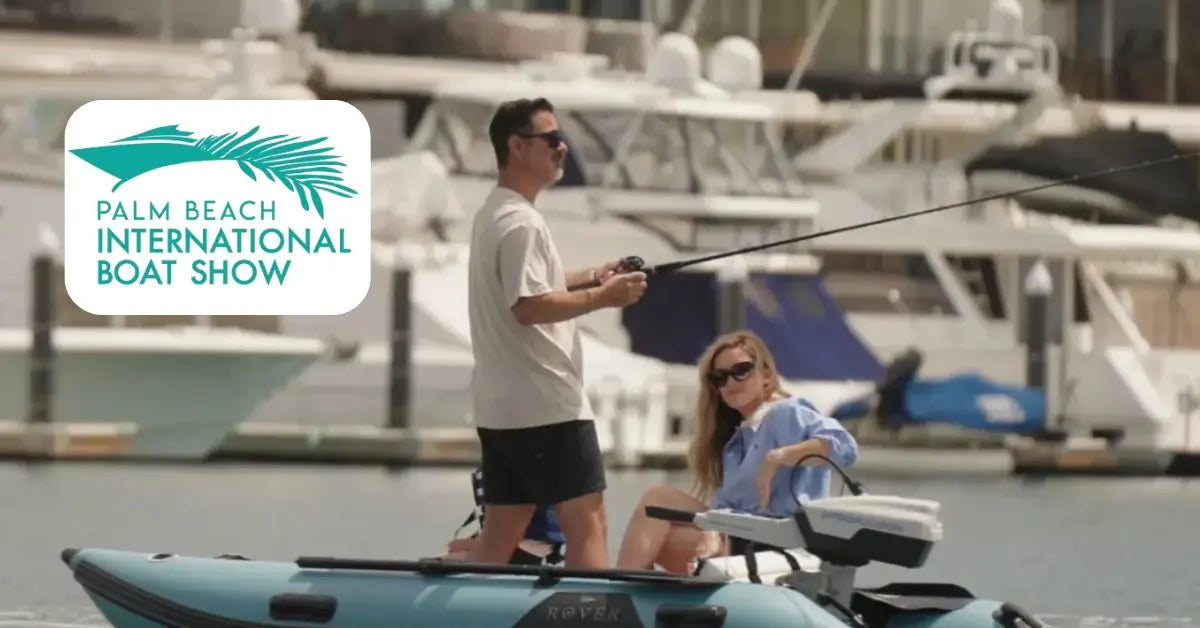
See the Battle Boat and Battle Cat in real-world operations on our YouTube channel—real missions, real performance, real results.

Leave a comment
This site is protected by hCaptcha and the hCaptcha Privacy Policy and Terms of Service apply.