What Makes Rigid Inflatable Boats Unique?

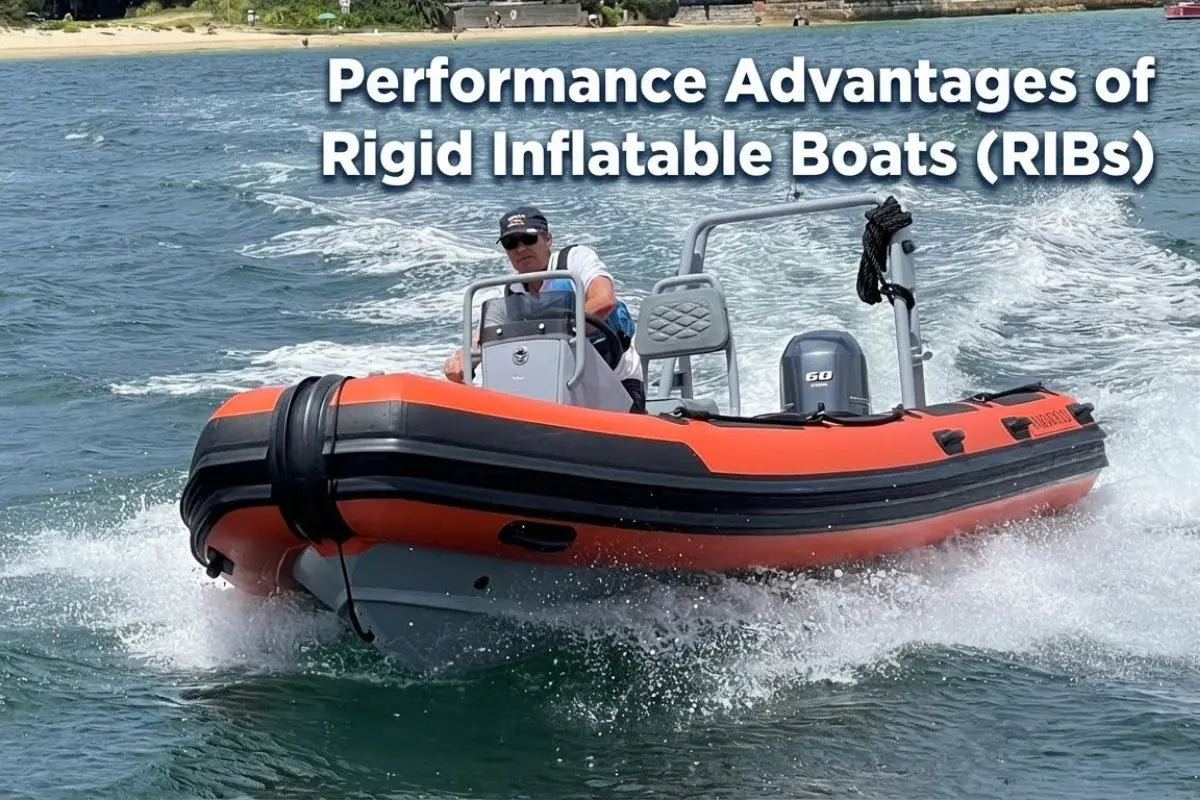
Rigid inflatable boat with an orange hull running at speed across the water, driven by a single operator.

Rigid inflatable boats (RIBs) masterfully blend a solid, load-bearing hull with buoyant, inflatable tubes. This fusion creates a versatile craft that excels in stability, safety, and efficiency. Dive into this guide to discover what defines a RIB, how it stacks up against soft-hull inflatables and traditional hard-hull vessels, and why its unique combination of a rigid keel and inflatable sponsons delivers superior sea-keeping and carrying capacity. You'll get the lowdown on RIB construction essentials, the science behind their stability and performance, and practical insights for everything from yacht tendering to diving and fishing. We'll even touch on electric outboard compatibility and top-notch maintenance tips, ensuring your days on the water are always productive and secure. Plus, get ready for real-world examples, including Rover Marine's own Battle Boat and Battle Cat. While this guide focuses on traditional RIBs, Rover Marine specializes in *fully inflatable boats*, showcasing how smart *fully inflatable* design translates into tangible advantages, offering a distinct and often superior alternative to traditional RIBs.

Infographic comparing rigid inflatable boats and fully inflatable boats, showing hull structures and performance differences by hull type.

What Exactly Is a Rigid Inflatable Boat, and How Does It Differ from Other Inflatables?

A RIB is defined by its robust, load-bearing rigid hull paired with inflatable tubes (sponsons) that provide crucial buoyancy and stability. This ingenious structure allows the boat to plane efficiently while maintaining ample reserve buoyancy. The magic is simple: the rigid hull cuts through waves and supports weight, while the inflatable tubes add lateral buoyancy and dampening. The result? Faster planing, superior sea-keeping, and a smoother ride after encountering waves. The key takeaway is a stable, lightweight craft that balances speed and safety for a wide array of missions and recreational pursuits, setting RIBs apart from both soft-hull inflatables and full hard-hull boats. Let's break down the core components and then see how RIBs stack up against other small craft, helping you pinpoint the perfect platform for your adventures.

What Are the Essential Components of a Rigid Inflatable Boat?

A RIB's performance profile is shaped by several distinct components: the rigid hull, inflatable tubes, transom, flooring, and propulsion mount. The rigid hull, typically crafted from fiberglass or aluminum, forms the structural foundation, supporting transom and steering loads. The inflatable tube is ingeniously divided into multiple air chambers, ensuring buoyancy even if one section is compromised. Flooring options, like V-TEAK or inflatable drop-stitch decks, influence stiffness and comfort. Fittings such as valves, lifting points, and rails dictate how the craft is rigged for specific tasks. Understanding these key parts—hull, tube, transom, floor—helps you connect each element to its function and maintenance needs, setting the stage for our comparison of RIBs to other boat types.

Infographic showing why RIB owners carry a fully inflatable backup dinghy, highlighting storage, portability, lightweight use, and emergency benefits.

How Do RIBs Measure Up Against Traditional Inflatable and Hard Hull Boats?

RIBs carve out a unique niche, sitting comfortably between fully inflatable dinghies and rigid hard-hull boats. They offer the best of both worlds: portability and robust structural performance. Mechanically, RIBs tend to plane earlier than heavier hard-hull boats due to their favorable weight-to-power ratios. Simultaneously, they boast greater puncture resilience and load capacity than soft inflatables, thanks to their rigid hull and multi-chamber tubes. While there are cost and maintenance trade-offs—RIBs typically command a higher price than basic soft inflatables—they can often prove more economical to operate and maintain over time compared to similarly sized powered rigid hulls, thanks to lighter fuel consumption and modular repair capabilities. This comparative perspective naturally leads into how RIBs excel across various applications, from tendering to diving and fishing, which we'll explore next.

What Are the Common Uses and Applications for Rigid Inflatable Boats?

RIBs are the go-to choice for yacht tenders, dive support, fishing platforms, rescue craft, and recreational cruising. Their inherent stability and portability make them incredibly adaptable to a wide range of operational demands. For yacht owners, they serve as swift, high-capacity tenders. Dive operators rely on them for stable boarding and equipment staging. Anglers appreciate them as steady platforms with easy gear mounting. The sheer versatility of RIBs is a significant practical advantage stemming directly from their hybrid design and modular fittings. This broad spectrum of applications naturally leads us into a detailed examination of their principal benefits: durability, stability, performance, and safety.

What Are the Core Advantages of Rigid Inflatable Boats?

Rigid inflatable boats deliver a suite of core benefits, each rooted in distinct mechanical principles. They offer enhanced durability thanks to robust tube materials and hull attachments, superior stability derived from a wide beam and buoyant tubes, high performance driven by optimized hull shapes and lightweight construction, and increased safety through redundancy and ample reserve buoyancy. Each advantage translates into tangible value for operators, whether you're hauling heavy loads, navigating challenging conditions, or seeking efficient planing. Below, we break down these advantages, followed by a concise table that links each benefit, its underlying mechanism, and the resulting user value, simplifying your selection process.

Rigid inflatable boats offer clear operational advantages:

  • Durability: Reinforced tubes and molded hull attachments resist abrasion and puncture, simplifying maintenance.
  • Stability: Buoyant sponsons and a wide beam minimize roll, facilitating safer boarding and gear handling.
  • Performance: A lighter structure combined with planing hull forms boosts acceleration and enhances fuel or battery efficiency.
  • Safety: Multiple tube chambers and substantial reserve buoyancy ensure the craft remains afloat and upright, even after partial damage.

These benefits are further enhanced by specific material and design choices, which we'll compare in the table below to help you connect features with expected outcomes.

Engineered mechanisms underpin the distinct benefits of RIBs, directly supporting user goals.

Benefit Mechanism Resulting Value
Durability Military-grade PVC or reinforced fabric tubes with robust seams Extended service life and straightforward field repairs
Stability Wide beam and buoyant dual/large sponsons Reduced roll; safer boarding and gear management
Performance Rigid planing hull + lightweight structure Higher speed for a given power output; improved efficiency
Safety Multi-chamber tubes and reserve buoyancy Enhanced survivability and better emergency handling capabilities

This breakdown illustrates how selecting a RIB for specific needs—whether for dive support or tender duty—hinges on prioritizing the most critical mechanisms. It naturally leads into a deeper dive into materials and stability next.

How Does the Durability of RIBs Make Them Stand Out?

A RIB's durability is a direct result of careful consideration in tube material selection, seam construction, hull attachment methods, and consistent maintenance. Materials like military-grade PVC or Hypalon (which we'll discuss later) offer different balances of UV resistance, abrasion tolerance, and repairability. The way seams are constructed and reinforcements are applied at high-stress points determines how the boat withstands repeated launches and impacts with docks. For owners, this translates into a craft that can handle rigorous use—boarding, heavy gear loads, and surf launches—while remaining repairable without requiring a full replacement. These material trade-offs set the stage for our next discussion on stability, where geometry and hull form further contribute to long-term operational resilience.

Why Is Stability a Defining Feature of Rigid Inflatable Boats?

Stability in a RIB is a sophisticated interplay of buoyant tubes, beam width, and hull geometry. Catamaran-style dual pontoons, in particular, amplify these effects, minimizing roll. The tubes act like extended, curved outriggers, effectively resisting transverse motion. When combined with a wide stance, they allow for confident movement on deck, whether you're boarding divers, handling fishing gear, or transferring passengers. RIB stability also mitigates secondary safety risks, such as spills, falls, and gear loss, allowing operators to focus on the task at hand rather than constantly balancing. This focus on stability naturally transitions into performance: a stable platform can often carry more payload without compromising its planing ability, which is the subject of our next subsection.

How Do RIBs Deliver Superior Performance on Water?

RIB performance is a direct outcome of an optimized weight-to-power ratio, efficient planing hull designs, and a low wetted surface area when running on plane. This potent combination results in rapid acceleration and impressive fuel or battery economy. The lightweight construction means less propulsion power is needed, while hull chines and V-deadrise angles are meticulously tuned to enhance sea-keeping for a smoother ride at speed. This allows owners to opt for smaller engines or electric alternatives for tender duties while still achieving desired top speeds for activities like towing or quick transfers. Understanding these performance mechanisms is key when selecting propulsion and sizing batteries or outboard power, a topic we'll delve into in the construction and motors section.

What Safety Advantages Do RIBs Offer Compared to Other Boats?

RIBs boast significant safety advantages, including inherent reserve buoyancy from their large-volume tubes, the redundancy provided by multi-chamber tube construction, and enhanced stability that dramatically reduces the risk of capsizing. In practical terms, a RIB can remain afloat and upright even if one tube chamber sustains damage. Furthermore, the forgiving nature of the tubes helps to cushion abrupt impacts that could otherwise spill passengers. These features make RIBs exceptionally well-suited for emergency response, ferrying passengers as tenders, or dive operations where quick, safe recovery is paramount. With these safety gains clearly established, the next section will explore how material and hull choices underpin these critical advantages.

How Does RIB Construction Contribute to Their Unique Advantages?

The specific construction choices made for RIBs—including tube materials, hull materials, flooring systems, and attachment methods—directly contribute to the advantages we've discussed, influencing durability, stability, and handling. Material properties like UV resistance, abrasion tolerance, and flexibility dictate the lifespan of the tubes. The hull shape, in turn, controls planing characteristics and sea-keeping. Flooring systems, such as drop-stitch or V-TEAK, impact stiffness and overall comfort. Below, we compare common tube and hull materials using an EAV-format table to help you assess typical use cases, such as exposure to saltwater, frequent beaching, or trailer transport.

The selection of tube and hull materials defines operational trade-offs: PVC is lighter and more cost-effective, while Hypalon offers superior UV and chemical resistance. Hulls range from fiberglass, providing a smoother ride, to aluminum, ideal for rugged workboats.

Material Key Attribute Typical Application
Military-grade PVC High strength-to-weight ratio, abrasion-resistant General-purpose, portable RIBs
Hypalon (CSM) Exceptional UV and chemical resistance Long-term saltwater exposure, heavy-duty use
Fiberglass hull Smooth ride, structural comfort Cruising, higher-speed applications
Aluminum hull Ruggedness, impact resistance Workboats, demanding environments

What Materials Are Used in Building Rigid Inflatable Boats?

Common tube materials for RIBs include military-grade PVC and Hypalon. RIB hulls are typically constructed from fiberglass or aluminum, and flooring options range from rigid V-TEAK panels to inflatable drop-stitch decks for enhanced portability. PVC offers a compelling balance of cost-effectiveness and favorable weight, while Hypalon provides superior long-term UV and chemical resistance, albeit at a higher price point. Hull material selection for RIBs involves balancing comfort and durability: fiberglass hulls often deliver quieter, more comfortable rides, whereas aluminum offers exceptional strength and low-maintenance robustness. *It's important to note that while these materials are common for RIBs, Rover Marine's fully inflatable boats utilize triple-layer reinforced military-grade 1100D PVC construction for both their tubes (inflated to 3.5 psi) and high-pressure drop-stitch decks (inflated to 10 psi), offering a distinct advantage in portability and storage.* Understanding these material specifics—tube fabric, hull skin, floor—guides owners toward choices that best match their operating environments and willingness to perform maintenance, which we'll explore further with hull design next.

How Does Hull Design Affect RIB Stability and Performance?

Hull design choices for RIBs—such as single deep-V hulls, flatter planing surfaces, chines, and catamaran-style dual pontoons—significantly influence how a RIB slices through waves, carries loads, and resists roll. A deep-V hull enhances directional control and softens impacts in choppy conditions, while shallower planing sections reduce draft and improve efficiency at moderate speeds. *In contrast to rigid-hulled catamarans, Rover Marine’s Battle Cat is a fully inflatable catamaran with twin pontoons and a high-pressure deck, offering markedly increased initial stability and superior payload distribution, making it ideal for dive operations and anglers. This fully inflatable design provides exceptional portability and ease of storage, a key differentiator from RIBs.* These hull design trade-offs naturally lead into a focused look at propulsion, particularly electric outboards, and how they integrate with different designs.

What Role Do Electric Outboard Motors Play in Modern RIBs?

Electric outboards bring a host of advantages to RIBs, including whisper-quiet operation, zero local emissions, and significantly lower routine maintenance needs. This makes them an increasingly attractive option for tender and leisure operations where stealth and environmental consciousness are key. The underlying mechanism is direct-drive electric torque powered by battery energy storage. Key considerations revolve around battery capacity, weight, and projected run time relative to the thrust required for planing or displacement operation. For tender duties and short-range cruising, electric outboards can provide ample power, coupled with the distinct benefits of silent approaches and simplified upkeep. These considerations set the stage for a brief EAV-style comparison of two representative electric outboards, allowing you to see their relative capabilities for smaller boats, including fully inflatable models.

Below is a concise comparison of representative electric outboards frequently discussed in the market, designed to aid buyer decisions for tender and day-boat applications.

Motor Motor Power/Run Time Suitability
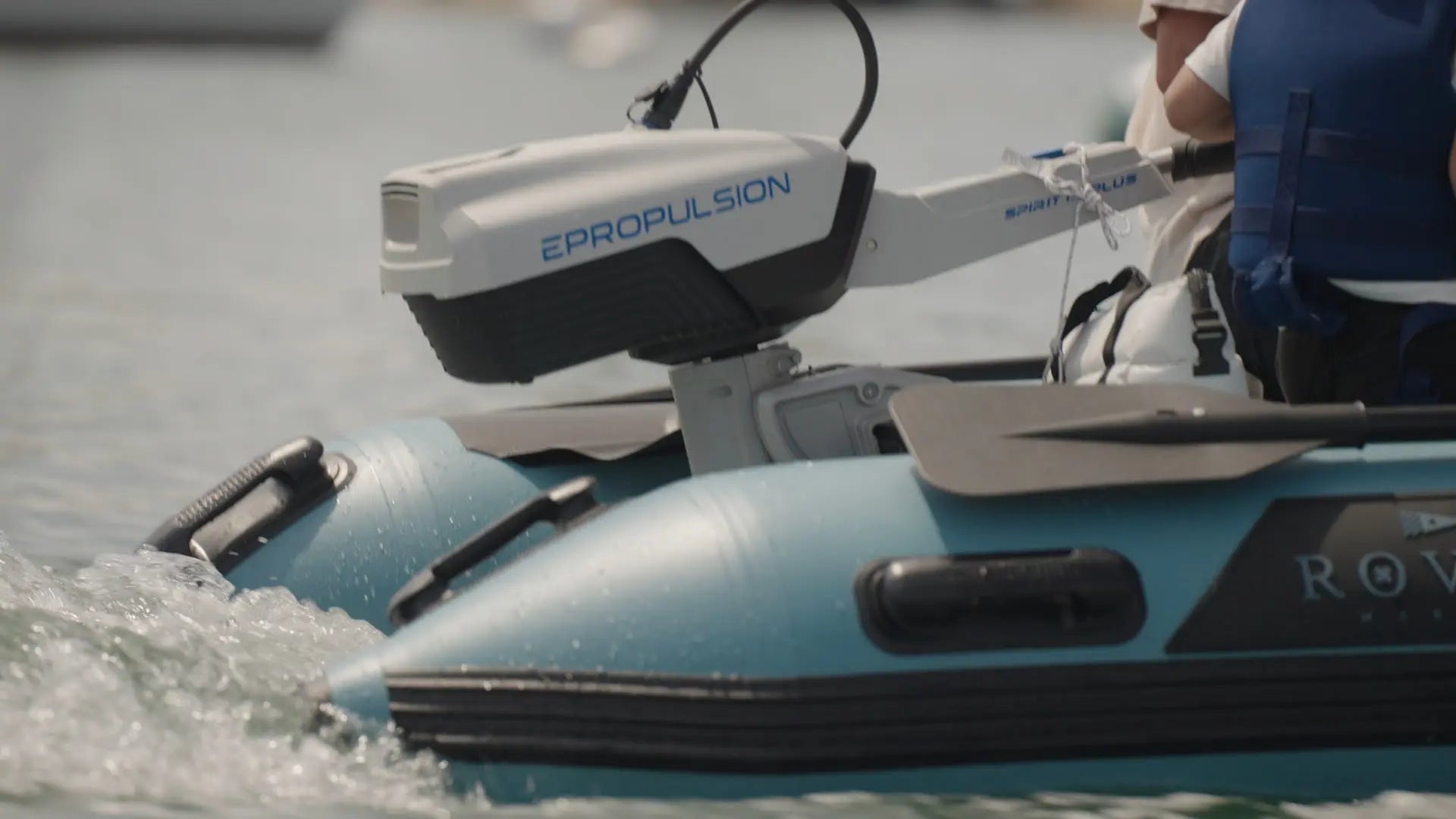
ePropulsion Spirit 1.0 Plus Moderate continuous thrust; engineered for tender use with typical short-range run times Ideal for brief tender runs and serene cruising
Torqeedo Travel 1103 S Higher nominal power with integrated battery options for extended day use Well-suited for heavier loads and longer excursions
Electric outboard (general) Low maintenance; quiet operation; weight varies by battery size Perfect for environmentally sensitive or low-noise operations

What Are the Features of ePropulsion Spirit 1.0 Plus and Torqeedo Travel 1103 S Motors?

The ePropulsion Spirit 1.0 Plus and Torqeedo Travel 1103 S represent two distinct approaches to electric outboard power: one focuses on compact, efficient tender-oriented performance, while the other offers higher-output systems with integrated battery management for extended range. The ePropulsion option prioritizes portability, straightforward mounting, and sufficient thrust for lightweight *inflatable boats* and quick transfers. The Torqeedo Travel model, conversely, emphasizes extended runtime and integrated controls, making it suitable for heavier loads. Both exemplify the core benefits of electric outboards—quiet, low-maintenance operation—while highlighting the importance of planning battery capacity, weight distribution, and charging logistics when outfitting a *boat*. Understanding these compatibility factors prepares you for activity-specific selection in the next section.

Why Are Rigid Inflatable Boats Ideal for Diverse Water Activities?

RIBs seamlessly adapt to a wide range of activities, including yacht tendering, diving, fishing, leisure cruising, and water sports. Their inherent stability, portability, and configurable deck spaces are perfectly suited to meet specific operational demands. The mechanism is elegantly simple: buoyant tubes and a rigid hull create a stable platform, while modular fittings allow for rapid reconfiguration to accommodate items like ladders, rod holders, or dive tanks. This flexibility translates into significant practical value across various activities, from quick shore excursions to serving as a mobile dive base. Below, we present detailed use-case breakdowns with tactical selection notes and highlight Rover Marine models that, as *fully inflatable alternatives*, align with each role, offering unique advantages for specific applications.

How Do RIBs Serve as Efficient Yacht Tenders?

As tenders, RIBs truly shine. They are light enough to be easily hoisted or stowed, robust enough to comfortably carry passengers and provisions, and stable enough for safe boarding in a variety of sea conditions. Key selection criteria include matching the size to your yacht's beam, ensuring adequate rated passenger capacity, and selecting compatible motor power for swift transfer speeds. Owners should carefully weigh portability (trailerability and davit compatibility) against payload requirements and plan propulsion choices that precisely meet tender duties. These considerations naturally lead into guidelines for fishing and diving setups discussed below.

  • Tender selection checklist: Capacity vs. yacht needs: Ensure it matches passenger count and gear requirements. Motor compatibility: Verify transom ratings and thrust align with intended speed. Storage and stowage: Confirm davit, garage, or trailer dimensions.

What Makes RIBs Suitable for Fishing and Diving?

RIBs provide a remarkably stable and accessible platform for both anglers and dive teams. They offer easy boarding, ample gear stowage, and the capability to handle heavy loads without sacrificing sea-keeping performance. The wide beam and buoyant tubes simplify ladder deployment and tank transfers for divers. Anglers, in turn, benefit from integrated rod mounts, live wells, and stable casting platforms. Recommended accessories include boarding ladders for effortless diver and passenger recovery, secure storage boxes for gear, and transom-mounted rod holders, transforming a RIB into a mission-ready fishing or dive support vessel. These practical configurations set the stage for our discussion on leisure and sports applications next.

  • Fishing/diving essentials: Boarding ladder: Crucial for diver and passenger recovery. Secure gear storage: Lockable boxes and reliable tie-downs. Mounting points: For ladders, rod holders, and safety railings.

How Do RIBs Enhance Leisure Cruising and Water Sports?

For leisure cruising and towing water-sports enthusiasts, RIBs deliver quick planing, responsive handling, and a comfortable ride, especially when configured with appropriate seating, shading, and deck cushioning. The underlying mechanism is a blend of performance and modular comfort: lightweight construction ensures nimble handling, while thoughtful flooring and seating choices enhance comfort on longer journeys. Owners seeking superior towing performance should consider hull chine geometry and motor sizing for consistent pull and control. Those prioritizing leisure will want to focus on seating arrangements and shade solutions for maximum passenger comfort. These choices complete our activity mapping and lead directly into a company-specific section showcasing how certain models embody these attributes.

How Rover Marine’s Fully Inflatable Boats Compare to RIBs

Rover Marine's product lineup offers compelling real-world examples of how *fully inflatable boat* design translates into tangible, usable advantages, providing a distinct alternative to traditional RIBs. Models like the Battle Boat and Battle Cat brilliantly showcase durability, portability, and specialized *fully inflatable* hull designs tailored for diverse missions. These boats feature *triple-layer reinforced military-grade 1100D PVC construction, with drop-stitch decks inflated to 10 psi and tubes to 3.5 psi*. Available in *8 ft, 10 ft, and 12 ft sizes*, they are rated for engines up to *6 HP (8 ft), 10 HP (10 ft), and 20 HP (12 ft) respectively*. Rover Marine's product-focused approach emphasizes rugged *inflatable platforms* that pair seamlessly with electric outboards such as the *ePropulsion Spirit 1.0 Plus or the Torqeedo Travel 1103 S*, demonstrating how cleaner propulsion integrates with cutting-edge *inflatable boat* design. All Rover Marine boats come with a *3-Year Warranty plus a 60-Day Rider’s Guarantee*. The following subsections will map these models to the core benefits we've discussed, highlighting how their design features directly support real-world use cases and customer experiences. For full product details, visit RoverMarine.com.

Many owners of rigid-hull boats and RIBs choose to carry a Rover Marine fully inflatable boat as a compact backup or secondary vessel. Because they can be fully deflated and packed down, these high-spec inflatables offer unparalleled ease of storage, freeing up valuable space on larger craft. This provides owners with more versatile options for quick shore trips, accommodating extra guests, exploring shallow waters inaccessible to larger boats, or serving as a reliable emergency tender. Their robust construction and thoughtful design make them a practical and valuable addition to any boating setup.

How Do the Battle Boat and Battle Cat Models Showcase Fully Inflatable Boat Advantages?

The Rover Marine Battle Boat exemplifies a focused design philosophy centered on durability and portability, featuring *triple-layer reinforced military-grade 1100D PVC construction, a high-pressure drop-stitch floor (10 psi), and an inflatable keel*. This *fully inflatable V-hull dinghy* is optimized for rapid deployment and general-purpose use, available in *8 ft, 10 ft, and 12 ft sizes* with engine ratings up to *6 HP, 10 HP, and 20 HP respectively*. In contrast, the Rover Marine Battle Cat is a *fully inflatable catamaran with twin pontoons and a high-pressure deck*, prioritizing catamaran-style stability and superior payload distribution, making it ideal for dive and fishing operators. Each model directly reflects the core benefits we've covered: the Battle Boat emphasizes planing efficiency and ease of transport, while the Battle Cat excels in initial stability and comfortable on-deck operations. These model-specific features, backed by a *3-Year Warranty and 60-Day Rider’s Guarantee*, empower buyers to determine which *fully inflatable platform* best aligns with their mission requirements, leading into a more detailed discussion of catamaran advantages next. For more details, visit RoverMarine.com.

What Are the Benefits of the Battle Cat’s Catamaran-Style Hull?

The Rover Marine Battle Cat's distinctive *fully inflatable catamaran-style twin pontoons and high-pressure deck* significantly enhance initial stability, distribute payload more evenly across the platform, and dramatically reduce roll during low-speed operations like diving or gear transfer. This unique *fully inflatable* geometry also lowers the boat's draft, improving access to shallow waters and enabling safer stationary operations for anglers and divers. While there might be a slight reduction in absolute top-end speed compared to a single deep-V hull, for many users, the gains in comfort and load-carrying capacity far outweigh this difference. Understanding these trade-offs is crucial for owners aiming to match platform selection with operational priorities, such as prioritizing a stability-first dive platform. For more details, visit RoverMarine.com.

How Does Rover Marine Integrate Electric Propulsion for Cleaner Boating?

Rover Marine's *fully inflatable platforms* are frequently highlighted for their excellent compatibility with electric outboard motors, including the *Torqeedo Travel 1103 S and ePropulsion Spirit 1.0 Plus*. This integration pairs *lightweight inflatable designs* with quiet, low-maintenance electric motors, perfect for tender and leisure applications. Key integration considerations include ensuring sufficient transom mounting strength (rated for up to *6 HP, 10 HP, or 20 HP depending on the 8 ft, 10 ft, or 12 ft model*), strategic battery placement to maintain optimal trim, and accurately estimating run times for specific mission profiles. Addressing these practical engineering points is essential for preserving performance and ensuring safety. The result is a quieter, cleaner operational profile that is exceptionally well-suited for marina approaches, wildlife observation areas, and low-noise passenger transfers. For more details, visit RoverMarine.com.

What Customer Experiences Highlight Rover Marine’s Fully Inflatable Boat Performance?

Customer testimonials consistently emphasize the ease of transport, remarkable stability during on-deck operations in choppy conditions, and the serene quietness when Rover Marine's *fully inflatable boats* are paired with electric outboards like the *Torqeedo Travel 1103 S or ePropulsion Spirit 1.0 Plus*. These real-world accounts serve as powerful validations of the design advantages we've discussed, including their *triple-layer reinforced military-grade 1100D PVC construction and high-pressure drop-stitch decks*. Anecdotes frequently mention quick launching, straightforward rigging for guests or dive gear, and a confident feel when handling nearshore chop—all aligning perfectly with the stability and safety mechanisms we've explained. Readers eager to experience these attributes firsthand are strongly encouraged to arrange a demo or charter to observe the handling capabilities directly. For more details, visit RoverMarine.com. This ties in perfectly with the product-focused examples provided above and leads us into our common questions section.

What Are the Common Questions About Rigid Inflatable Boats?

Prospective buyers and operators often grapple with practical concerns, including trade-offs related to cost and puncture risk, limitations in rough-water performance, tube lifespan, and material selection. Addressing these common questions concisely helps potential owners evaluate whether a RIB truly fits their needs and how to effectively mitigate potential downsides through proper maintenance and outfitting choices. The following subsections tackle each question directly, aiming to support clear purchasing and operational decisions.

What Are the Disadvantages of Rigid Inflatable Boats?

The disadvantages of RIBs primarily include a higher upfront cost compared to the most basic soft inflatables, the potential for puncture exposure, and storage constraints for larger rigid hulls. However, it's important to note that many of these trade-offs can be effectively mitigated. Protective measures such as UV covers, reinforced rub-strakes, and careful docking practices significantly reduce abrasion and puncture risks. Routine inspections and prompt repairs are key to maintaining tube integrity. For users requiring enclosed cabins or extended offshore capability in heavy seas, a larger hard-hull boat might be a more suitable option. Yet, for numerous coastal and tender roles, the advantages of a RIB far outweigh these potential downsides. Understanding these mitigation strategies naturally leads to our next question regarding rough-water performance.

Are RIBs Good in Rough Water Conditions?

Yes—RIBs generally perform exceptionally well in rough conditions relative to their size. The rigid hull provides structured wave-piercing capability, while the inflatable tubes effectively absorb impacts. However, performance limits are influenced by boat size and hull design. Larger RIBs equipped with deeper V-hulls tend to handle chop and cross seas more adeptly. Catamaran-style platforms offer excellent initial stability but may exhibit different motion characteristics in certain wave patterns. The recommended safety practice is always to match the craft's size and hull form to the expected sea states and to reduce speed appropriately in significant seas, ensuring passenger safety and respecting structural limits. These operational considerations segue smoothly into our discussion on tube lifespan expectations next.

How Long Do RIB Tubes Typically Last?

Tube lifespan is a variable that depends heavily on the material used and the intensity of usage. Military-grade PVC, under moderate use and with good maintenance, can often last for many years. Hypalon, on the other hand, tends to resist UV and chemical degradation longer, especially in demanding saltwater environments. Usage factors—such as exposure to sunlight, abrasion from beaching, and the frequency of maintenance—significantly influence longevity. Owners can extend tube life by implementing regular cleaning routines, applying UV protection, and conducting seasonal inspections. Establishing a consistent maintenance schedule is key to maximizing service life, a topic detailed further in the following maintenance section.

What Is the Best Material for Inflatable Boat Tubes?

The choice between PVC and Hypalon hinges on your specific environmental exposure and budget. PVC is lighter and more cost-effective, making it an excellent choice for trailerable or occasionally used boats. Hypalon offers superior long-term UV and chemical resistance, making it ideal for heavy saltwater deployment. PVC is generally easier and more affordable to source and repair, whereas Hypalon's superior longevity can justify the higher initial investment for operators planning frequent and extended marine use. The decision ultimately centers on expected exposure and lifecycle cost. This material guidance transitions directly into practical maintenance steps.

How Should You Maintain and Care for Your Rigid Inflatable Boat?

Proper maintenance is the cornerstone of preserving performance, extending tube life, and minimizing long-term costs. Recommended care includes routine cleaning, diligent UV protection, regular valve checks, thorough seam inspections, and prudent winterization for off-season storage. A disciplined schedule of inspections and simple preventative actions can stop minor issues from escalating into major repairs, ensuring safe operation. Below, we outline best practices, a comprehensive winterization checklist, and essential accessories that enhance both safety and performance.

Maintaining a RIB requires dedicated attention to fabric care, hull integrity, and propulsion systems. Systematic checks are vital for ensuring readiness and protecting your investment's resale value.

What Are the Best Practices for RIB Maintenance?

Routine maintenance encompasses washing off salt and grime after every outing, applying UV protectant to the tubes, checking valve integrity, and meticulously inspecting seams and fittings for any signs of wear. Periodic checks of the transom, floor fastenings, and propulsion mount are crucial for ensuring safe operation under load. Scheduled engine or motor service maintains peak performance and reliability. A written maintenance checklist and logbook help track repairs and consumables over the seasons, and consistent upkeep significantly reduces long-term ownership costs while keeping your boat mission-ready. These practices flow seamlessly into the specific steps for winterization detailed below.

  • Routine maintenance checklist: Post-trip rinse: Thoroughly remove salt and debris after each outing. Valve and seam inspection: Verify airtight seals and check for abrasion. UV protection: Apply protectant and store under cover whenever possible.

How Do You Winterize a Rigid Inflatable Boat?

Winterization steps involve thoroughly cleaning and drying the tubes and hull. Remove batteries or store them on charge maintenance systems. Protect electric motors according to manufacturer guidance. Store the boat under a breathable cover to prevent moisture buildup. For outboard or electric propulsion, follow battery manufacturer recommendations regarding state-of-charge and storage temperature to maximize battery life. For gasoline outboards, run fuel stabilizer and fogging oil as needed. Proper winterization prevents freeze damage, mold growth, and battery degradation. It also connects directly to accessory choices that aid protection during storage.

  • Winterization checklist: Clean and dry: Prevent mildew and salt corrosion. Battery care: Store or maintain charge per motor guidance. Protective covering: Utilize breathable covers and proper support points.

What Accessories Enhance RIB Safety and Performance?

Essential accessories are key to boosting safety and everyday usability. This includes PFDs and signaling devices for safety, bilge pumps for effective water management, boarding ladders for easier recovery, and appropriate anchors and fenders for secure mooring. Optional accessories—such as rod holders, canopies, and V-TEAK flooring—can significantly enhance comfort and mission capability for fishing or leisure activities. When selecting accessories, always prioritize certified safety gear and ensure mounting options are compatible with the RIB’s fittings and transom strength to avoid structural issues. Proper accessory selection completes the ownership picture and concludes this guided overview of RIB care and outfitting.

  • Recommended accessories by priority: Safety: PFDs, signaling devices, and bilge pump. Operational: Boarding ladder, anchor, and fenders. Comfort/mission: Flooring, seating, and mounting hardware.
Hydroelasticity in Inflatable Boat Design: Enhancing Performance

Inflatable boats are considerably more flexible than conventional metal or composite vessels. The RNLI have developed an inflatable boat, the IB1, with improved performance which has been attributed to its flexibility or hydroelasticity. Current design methodologies for planing vessels predict the performance assuming it is rigid. Designing an entirely hydroelastic boat presents completely new design challenges and will require new design methodologies in the future. A design approach taking into account hydroelasticity could potentially improve the performance further by decreasing boat motions, reducing added resistance in waves and minimising the slamming accelerations.This paper reviews the literature relevant to rigid inflatable and inflatable boats and shows the construction of the IB1. The hydroelastic design problem is broken down into three main hydroelastic events: global hydroelasticity, hydroelastic planing surfaces and hydroelastic slamming. Each event is defined, the relevant literature is reviewed and the possible advantages are discussed. A design approach is suggested using a hydroelastic design cycle. The hydrodynamic problem of interacting sponsons is briefly discussed. Hydroelastic inflatable boats: relevant literature and new design considerations, PA Wilson, 2012

Frequently Asked Questions

What are the key differences between RIBs and traditional hard-hull boats?

Rigid inflatable boats (RIBs) stand apart from traditional hard-hull boats primarily due to their unique construction and resulting performance characteristics. RIBs feature a rigid hull complemented by inflatable tubes, which provide essential buoyancy and stability. This design allows for quicker planing and superior handling, especially in rougher waters. In contrast, hard-hull boats are typically heavier and may not offer the same level of agility or stability in choppy conditions. Furthermore, RIBs are often more portable and easier to transport, making them exceptionally versatile for a wide range of recreational and professional applications.

How do I choose the right size RIB for my needs?

Selecting the ideal RIB size involves carefully considering several key factors, including the number of passengers you'll typically carry, your intended use, and your available storage options. Assess the maximum passenger capacity required for your activities, such as diving or fishing, and ensure the RIB can comfortably accommodate all necessary gear and equipment. Additionally, consider the boat's overall weight and how it will be transported or stored. Striking a balance between size and performance is crucial; larger RIBs might offer enhanced stability but can be less maneuverable, while smaller models are easier to handle but may have limited capacity.

What maintenance is required for RIBs to ensure longevity?

To ensure your RIB enjoys a long and productive service life, regular maintenance is absolutely essential. This includes rinsing the boat thoroughly after each use to remove salt and debris, diligently inspecting the tubes and seams for any signs of wear, and applying UV protectant to shield them from sun damage. Furthermore, regularly check the valves and fittings for leaks and ensure the hull remains free from abrasions. Seasonal maintenance, such as proper winterization and engine servicing, is also critical for keeping your RIB in optimal condition and ready for action whenever you are.

Can RIBs be used for overnight trips or extended cruising?

While RIBs are primarily engineered for short trips and quick deployments, certain models can indeed be adapted for overnight stays or more extended cruising adventures. To achieve this, consider incorporating features like comfortable seating, ample storage for gear, and potentially a canopy for essential shade. However, it's important to remember that RIBs typically lack the enclosed cabins found in traditional cruising boats, which can limit comfort during longer excursions. Thorough planning for adequate supplies and essential safety equipment is paramount for any overnight adventures aboard a RIB.

What safety equipment should I have on board a RIB?

Safety equipment is non-negotiable for any boating activity, including the use of RIBs. Essential items include personal flotation devices (PFDs) for every passenger, a comprehensive first aid kit, signaling devices such as flares, and a reliable communication system, like a VHF radio. Additionally, having a functioning bilge pump, a fire extinguisher, and proper anchoring gear is vital for safe operation. Always consult local regulations for specific safety requirements and meticulously ensure all equipment is in perfect working order before heading out on the water.

How do I transport a RIB safely?

Transporting a RIB safely requires meticulous planning and the correct equipment. Utilize a suitable trailer specifically designed for the boat's size and weight, ensuring it is securely fastened with robust straps to prevent any movement during transit. Double-check that the trailer lights and brakes are functioning correctly for safe travel. Furthermore, carefully consider your route and road conditions, and be aware of any necessary permits for larger trailers. Regularly inspect both the RIB and the trailer before transport to confirm everything is in excellent condition and ready for the journey.

Reading next

Comparing Outboard vs. Electric Engines for Dinghies
People riding an inflatable dinghy in a marina, used as a header image for a guide to choosing the right outboard engine.