What Engine Powers Your Inflatable Dinghy Best?

People riding an inflatable dinghy in a marina, used as a header image for a guide to choosing the right outboard engine.

Picking the right engine for an inflatable dinghy matters for safety, handling and, frankly, how much fun you have on the water. This guide walks through the core factors—power, shaft length, weight and range—that determine which motor will work best whether your dinghy is a tender, a fishing platform or a day‑cruising boat. You’ll learn how dinghy length and load drive horsepower needs, why short‑shaft transoms are common on inflatables, and how modern electric outboards stack up against traditional gas motors in real use. We also cover model‑specific notes for Rover Marine’s Battle Boat and Battle Cat, the trade‑offs between horsepower, thrust and weight, plus straightforward installation and maintenance tips. Read on for quick comparison tables, clear featured‑snippet style answers, and compact recommendations to help you match an inflatable dinghy size comparison guide to your dinghy and how you plan to use it.

Infographic showing key factors for choosing a boat motor for an inflatable dinghy, including size, shaft length, weight, range, and intended use.

Key Factors to Consider When Choosing an Engine for Your Inflatable Dinghy

Start by matching your dinghy’s size and intended use to motor attributes like horsepower, shaft length, weight and range. Each factor affects real performance: horsepower influences planing ability and top speed, shaft length controls prop immersion and cooling, motor weight affects portability and trim, and range dictates how far you can go between charges or fills. Looking at these together—rather than one at a time—lets you choose a motor that’s safe, practical and easy to handle. Below is a compact, actionable list of the most important selection factors and how they change the decision for inflatables. Rover Marine inflatables, built with triple-layer reinforced military-grade 1100D PVC, high-pressure 10 psi drop-stitch floors, and 3.5 psi tubes, are designed for durability and performance across various engine types.

Key selection factors to evaluate before choosing a motor:

  • Boat length and loaded weight: size your horsepower to the people and gear you’ll carry.
  • Intended use: tendering, fishing or planing cruising require different power levels.
  • Shaft length/transom height: the right shaft prevents ventilation and cavitation.
  • Motor weight and portability: impacts how you carry, mount and balance the boat.
  • Range and refueling/charging plan: dictates battery count for electric systems or tank size for gas.

These five factors form the decision backbone; considering them together leads naturally to sizing horsepower by dinghy length and measuring transom height for shaft selection.

How Dinghy Size and Weight Affect Engine Horsepower Needs

Horsepower needs rise with dinghy length, total load and whether you want to plane or just cruise. For Rover Marine 8 ft models, up to 6 HP is generally sufficient for calm-water cruising and light loads. For 10 ft models, up to 10 HP is often needed to reach planing speed and hold control in chop. For 12 ft models, up to 20 HP is suitable for heavier loads or frequent planing. Heavily loaded boats or frequent planing calls for more power—so size conservatively to avoid underpowered handling and motor strain. Converting electric ratings to HP (1 kW ≈ 1.34 HP) helps compare electric outboards to traditional HP classes when choosing models.

Knowing your typical load and desired top/endurance speeds tells you whether to prioritize steady thrust or short bursts for planing. The next mechanical match to check is shaft length and how it affects prop immersion and cooling.

Why Shaft Length and Transom Compatibility Matter for Inflatable Boats

Shaft length sets how deep the prop sits and directly affects thrust, efficiency and engine cooling. Inflatable dinghies usually have low transoms and perform best with short‑shaft outboards (often labeled “short” or around 15 inches) so the prop stays properly submerged and you avoid ventilation or cavitation. Unlike rigid dinghies, fully inflatable hulls respond more significantly to weight distribution and trim, making correct shaft length and motor weight even more critical for optimal performance and safety. Measure transom height—the distance from the top of the transom to the keel line—and follow the motor maker’s shaft recommendations for the correct fit. The wrong shaft shows up as ventilation (loss of power) or excess drag and poor steering if the prop is too deep. Choosing the right shaft also makes mounting easier and reduces overheating risk, especially on small inflatables with less hull in the water.

Sizing the shaft correctly ties directly into motor weight and how portability affects daily handling and storage.

Why Electric Outboards Are Often the Best Choice for Inflatable Dinghies

Electric outboards are becoming the go‑to choice for many inflatable owners because they pair quiet, low‑maintenance operation with portability and clean propulsion. Their lightweight design and instant torque are particularly well-suited for the nimble nature of inflatable hulls, providing responsive handling without compromising the boat's trim or portability. Electric motors deliver instant torque for responsive low‑speed acceleration, need far less routine care than combustion engines and remove the need to carry fuel onboard. Improvements in battery tech have expanded practical run times for common dinghy tasks—tendering, short cruises and nearshore fishing. Electric systems are particularly attractive where quiet running and low emissions matter, like wildlife areas, marinas and close‑quarters anchoring. Below are the main advantages and realistic limitations to weigh when considering an electric outboard for an inflatable.

Main Advantages of Electric Outboards for Dinghies

Electric outboards give clear, practical benefits that make day‑to‑day ownership easier. Quiet operation reduces disturbance and improves fishing or wildlife viewing; low‑maintenance drivetrains eliminate oil changes and carburetor headaches. Many electric units are designed for easy carrying and storage, a significant advantage for inflatable owners who frequently inflate, deflate, and stow their boats. The environmental upside—zero local emissions—simplifies use in restricted waterways, aligning with the versatile and often nature-oriented use of inflatables. For most tender or leisure dinghy tasks—short hops, getting to shore, calm‑water cruising—electric motors are a user‑friendly alternative to gas.

Key practical advantages include:

  • Quiet, low‑vibration operation—great for fishing and wildlife areas.
  • Far less routine maintenance versus gas outboards.
  • Instant torque for better low‑speed maneuvering and docking.
  • No onboard fuel handling or spill risk when stored on small inflatables.

Limitations and Considerations When Using Electric Motors

Electric outboards aren’t perfect: upfront cost and range limits are the main trade‑offs versus gas. Battery run time restricts long distance trips unless you carry spare packs or have reliable shore/yacht charging. While initial price can be higher, lower maintenance and simpler ownership often balance lifetime costs for many users. For heavy planing loads or long open‑water runs, electric setups may need larger battery capacity or a higher‑power motor. Saltwater use is possible with proper corrosion care and marine‑grade sealing—follow the manufacturer’s maintenance guidance.

Mitigation strategies include carrying spare batteries for longer trips, planning charging windows and sizing the motor to your average load rather than only peak demands. Those are the practical trade‑offs behind the real‑world electric models shown below.

Rover Marine highlights electric outboards that suit inflatable use and are compatible with their models. The ePropulsion Spirit 1.0 Plus is a 1 kW motor (≈3 HP equivalent), and the Torqeedo Travel 1103 S is a 3 HP equivalent. Both illustrate the trade‑offs: compact, quiet electric propulsion that’s ideal for tendering, light cruising and wildlife‑friendly areas, but requiring battery planning for longer runs. For current manufacturer pricing, please check the respective product pages.

Inflatable Boat Safety Standards: Construction, Powering, and Stability

This report compiles data and procedures on construction, safe loading, powering, underway stability and human factors, and proposes recommended standard concepts.

Inflatable Boat Standard Development, 1973

Featured Rover Marine electric outboards and quick attributes

Motor Characteristic Value / Note
ePropulsion Spirit 1.0 Plus Power 1 kW (≈3 HP equivalent); Check current manufacturer pricing
Torqeedo Travel 1103 S Noise / Power 3 HP equivalent; noted for very quiet operation; Check current manufacturer pricing
Small Gas 4-stroke (typical) Maintenance / Range Greater maintenance needs; typically longer range between refuels

How Gas Outboards Compare to Electric Motors for Inflatable Dinghies

Gas outboards still make sense when long range or sustained higher power is required, but they differ from electric units across maintenance, noise and emissions. Gas motors offer strong peak power and the convenience of quick refueling in many regions, so they’re practical for extended open‑water runs or heavy planing. The trade‑offs are louder operation, more frequent servicing and fuel storage needs that can be awkward on small inflatables. Electric systems reduce routine maintenance and local emissions at the cost of range and sometimes higher upfront price. Choosing between them comes down to how often you need long range versus how much you value quiet, low‑maintenance operation.

Below is a short comparison table that clarifies the core operational differences between gas and electric outboards for inflatable use.

Propulsion Type Typical Strengths Typical Drawbacks
Electric outboard Quiet, low maintenance, instant torque Limited range without spare batteries; higher upfront cost for equivalents
Gas 4-stroke outboard Longer range, higher sustained power, widespread refueling Higher maintenance, more noise, fuel storage on small boats
Trolling electric motors Extremely light and quiet for slow‑speed fishing Not suitable for planing or heavy loads

Benefits of Gas Outboards for Inflatable Boats

Gas outboards provide dependable range and sustained power for heavier loads or planing use—important for long transfers or fully loaded runs. They allow quick refueling on long trips and typically deliver higher top speeds on planing hulls. Service networks for gas motors are widespread in many regions, which makes long‑range ownership practical where charging infrastructure is limited. If you regularly cross open water or need repeated high‑speed planing, a gas outboard remains a sensible choice.

Drawbacks of Gas Outboards Compared to Electric Options

Gas outboards bring noise, more frequent maintenance and the challenge of fuel storage—issues that hit small inflatables harder. On fully inflatable dinghies, the stern weight of a gas motor can significantly impact trim balance, potentially affecting handling and stability. Safe fuel storage on a small, flexible platform also requires careful planning to prevent spills and ensure safety. Noise disturbs fishing and wildlife, and service needs—oil changes, spark plugs and carburetor care—add recurring tasks. Emissions can restrict use in regulated or sensitive areas. If you choose gas, keep a consistent service schedule and safe fuel‑handling routines, and consider modern four‑stroke units that lower some emissions and maintenance versus older two‑strokes.

Balancing these pros and cons leads to the model‑specific recommendations below for popular Rover Marine inflatable shapes like the Battle Boat and Battle Cat.

Rover Marine inflatable boat powered by ePropulsion motor on the water with passengers onboard

Recommended Engines for Rover Marine’s Battle Boat and Battle Cat

Choose a motor that complements hull form, intended use and portability. The Battle Boat, with its inflatable V-hull, benefits from a light, portable motor that offers reliable tender power and easy maneuvering for short cruises and fishing. The Battle Cat’s inflatable twin-pontoon catamaran design gives extra stability and pairs well with slightly more capable electric outboards that make use of the hull’s efficiency while keeping weight centered for good trim. Below are two electric options Rover Marine lists as compatible, with short notes on fit and expected use.

These recommendations assume realistic expectations: tender duties, calm‑water cruising and fishing. Heavier planing loads may require larger motors or a gas alternative.

How the ePropulsion Spirit 1.0 Plus Performs with Rover Marine Boats

The ePropulsion Spirit 1.0 Plus—listed at 1 kW (≈3 HP equivalent)—is well suited to light duties on the Battle Boat and similar small Rover Marine inflatables. Its modest power and light weight make it easy to mount, carry and stow, matching Rover Marine’s focus on portability and durable, packable boats, built with triple-layer reinforced military-grade 1100D PVC, high-pressure 10 psi drop-stitch floors, and 3.5 psi tubes. Expect practical run times for short trips and tendering when paired with the right battery packs, and enjoy quiet operation that’s ideal for fishing and wildlife‑friendly use. For owners who value simplicity and low maintenance, this motor strikes a sensible balance. For current manufacturer pricing, please check the ePropulsion product page.

Match battery capacity to your typical trip length when specifying the motor for regular outings—the ePropulsion unit is optimized for short to moderate runs rather than extended open‑water passages.

Why the Torqeedo Travel 1103 S Works Well with the Battle Cat

The Torqeedo Travel 1103 S—listed as a 3 HP equivalent—focuses on integrated battery options, low noise and solid sealing for marine use. It pairs effectively with the Battle Cat’s catamaran hull because the platform’s inherent stability accommodates the motor’s weight and yields efficient cruising for day trips and nearshore exploration. Quiet operation and corrosion protection support wildlife‑friendly use and saltwater environments when properly maintained. For users who want a compact, integrated electric solution with strong low‑speed torque and a refined experience, the Torqeedo is a good match for the Battle Cat. For current manufacturer pricing, please check the Torqeedo product page.

Choosing either electric option should include a realistic battery and charging plan to meet your expected range.

Engine Sizing for Rover Marine Inflatable Models

For Rover Marine's 8 ft models, such as smaller Battle Boats, a motor up to 6 HP is generally sufficient for tendering and calm-water cruising. For 10 ft models, including mid-sized Battle Boats or Battle Cats, up to 10 HP provides a good balance of power for planing and carrying multiple passengers. For the largest 12 ft Rover Marine inflatables, up to 20 HP is recommended for heavier loads, extended planing, or more demanding conditions. The Battle Boat's inflatable V-hull benefits from lighter, more portable motors, while the Battle Cat's stable twin-pontoon catamaran design can efficiently utilize slightly higher power electric outboards, keeping weight centered for optimal trim.

How Horsepower, Thrust and Weight Affect Your Inflatable Dinghy’s Performance

Horsepower, thrust and motor weight work together to shape acceleration, top speed and handling. Horsepower indicates the motor’s output and helps predict planing ability; thrust—especially with electric motors—is the actual push you feel at low speeds and during acceleration. Motor weight influences portability and trim: heavier units sink the stern, increase drag and can hurt performance or make carrying harder. Considering these attributes together helps you trade off portability, run time and top speed when picking a motor. The table below gives a compact specification‑style comparison across representative propulsion choices to aid your assessment.

This EAV‑style table compares key characteristics for two recommended electric motors and a typical small gas outboard to clarify suitability by performance and ownership trade‑offs.

Motor Power / Thrust Weight Price / Ownership Note
ePropulsion Spirit 1.0 Plus 1 kW (≈3 HP equivalent) 10.6 kg (example light model) Check current manufacturer pricing; portable, low maintenance; compatible with Rover Marine inflatables.
Torqeedo Travel 1103 S 3 HP equivalent; very quiet Compact, integrated battery options Check current manufacturer pricing; refined, efficient for catamaran hulls; compatible with Rover Marine inflatables.
Small Gas 4-stroke (typical) Higher sustained HP and range Varies; often heavier and bulkier Lower upfront motor cost possible; higher maintenance

Recommended Horsepower Ranges by Inflatable Dinghy Size

Use these practical HP ranges as a starting point. For Rover Marine compact inflatables under 9–10 feet used mainly for tendering, 1–3 HP (roughly 0.75–2.2 kW electric) is typically adequate for calm‑water cruising and light loads, with Rover Marine recommending up to 6 HP for their 8 ft models. For 10–12 foot inflatables carrying multiple passengers and gear, 3–6 HP gives better planing ability and more reliable handling in chop, with Rover Marine recommending up to 10 HP for their 10 ft models and up to 20 HP for their 12 ft models. If you routinely carry heavy loads or need sustained high‑speed planing, step up to a higher‑rated motor or consider a gas alternative. Always include a safety margin—choose a motor that handles your typical loaded conditions, not just minimal loads.

This pragmatic sizing approach helps avoid underpowered operation, which can overwork the motor and create unsafe handling in adverse conditions.

Why Motor Weight Matters for Portability and Handling

Motor weight matters in three practical ways: how easily you can carry and mount the motor, how the boat trims and performs with the motor installed, and the overall center‑of‑gravity and stability. For fully inflatable dinghies, which are more sensitive to weight distribution than rigid hulls, a heavy motor can significantly sink the stern, increase drag and reduce range or economy. Lightweight electric motors make single‑person carry and storage simple—important for inflatable owners who frequently inflate, deflate and stow their boats. Don’t forget battery mass: an electric setup can concentrate weight aft if batteries sit on the transom or under the stern. When portability and quick deployment matter, favor lighter motors and plan battery placement to keep trim and handling balanced.

Evaluating motor and battery weight together gives a realistic picture of everyday usability and transport requirements for a single operator.

Frequently Asked Questions

What maintenance is required for electric outboard motors?

Electric outboards need far less routine maintenance than gas engines. Key tasks are checking battery health, keeping electrical connections clean and secure, and rinsing the motor with fresh water after saltwater use to limit corrosion. There are no oil changes or carburetor adjustments, but follow the manufacturer’s service schedule and storage advice to keep performance and longevity on track.

Can I use a gas outboard motor on an inflatable dinghy?

Yes. Gas outboards work on inflatables if you choose a motor compatible with the dinghy’s design and weight capacity. Gas provides higher sustained power and longer range—useful for heavy loads and long trips—but comes with more noise, maintenance and fuel‑storage considerations that are especially relevant on smaller inflatables and their trim balance.

How do I choose between a gas and electric outboard motor?

Base the decision on how you use the boat. If you value quiet operation, low maintenance and environmental friendliness, electric is a smart choice. If you need extended range or higher continuous power for planing and heavy loads, gas may be better. Consider typical distance, load and water conditions to pick the option that fits your routine.

What is the average lifespan of an electric outboard motor?

Lifespan varies with use, care and build quality. With proper maintenance, electric outboards commonly last between 5 and 15 years. Regular battery checks, correct charging and proper storage extend life, and ongoing battery‑technology improvements are improving longevity and performance.

Are there specific electric motors recommended for saltwater use?

Yes. Some electric outboards are built for saltwater with marine‑grade materials and corrosion‑resistant components. Rinse units with fresh water after each saltwater outing and follow the maker’s maintenance steps. Torqeedo and ePropulsion are popular choices known for durable saltwater performance when cared for correctly.

What safety precautions should I take when using an inflatable dinghy with an outboard motor?

Always wear life jackets, make sure the motor is securely mounted, and inspect the dinghy for damage before launching. Know local boating rules and weather conditions. Carry basics like a first aid kit, signaling devices and a fire extinguisher, and tell someone your plans and expected return time for added safety.

Visit RoverMarine.com

Ready to Find Your Perfect Dinghy?

Explore Rover Marine's full range of durable inflatable dinghies and discover the recommended motors that pair perfectly with your adventure needs.

Reading next

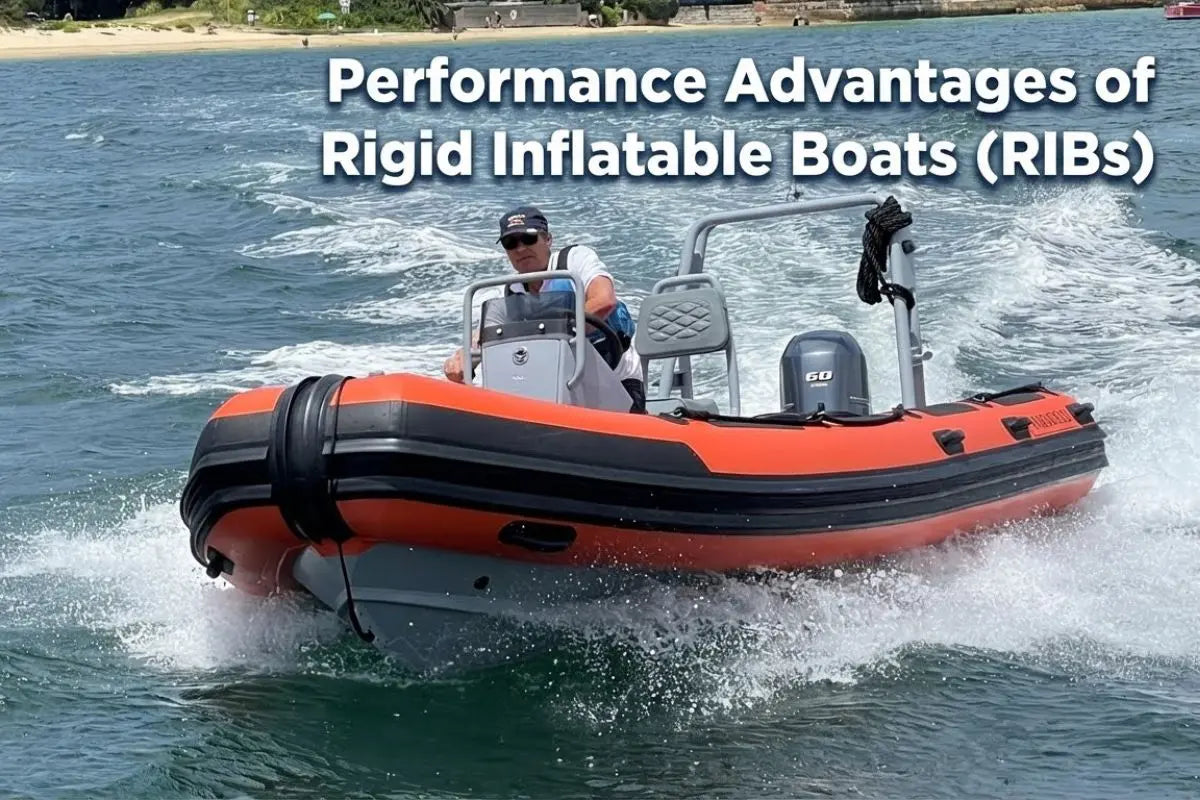
Rigid inflatable boat with an orange hull running at speed across the water, driven by a single operator.
Inflatable Boat Ratings: Which Brands Stand Out?