
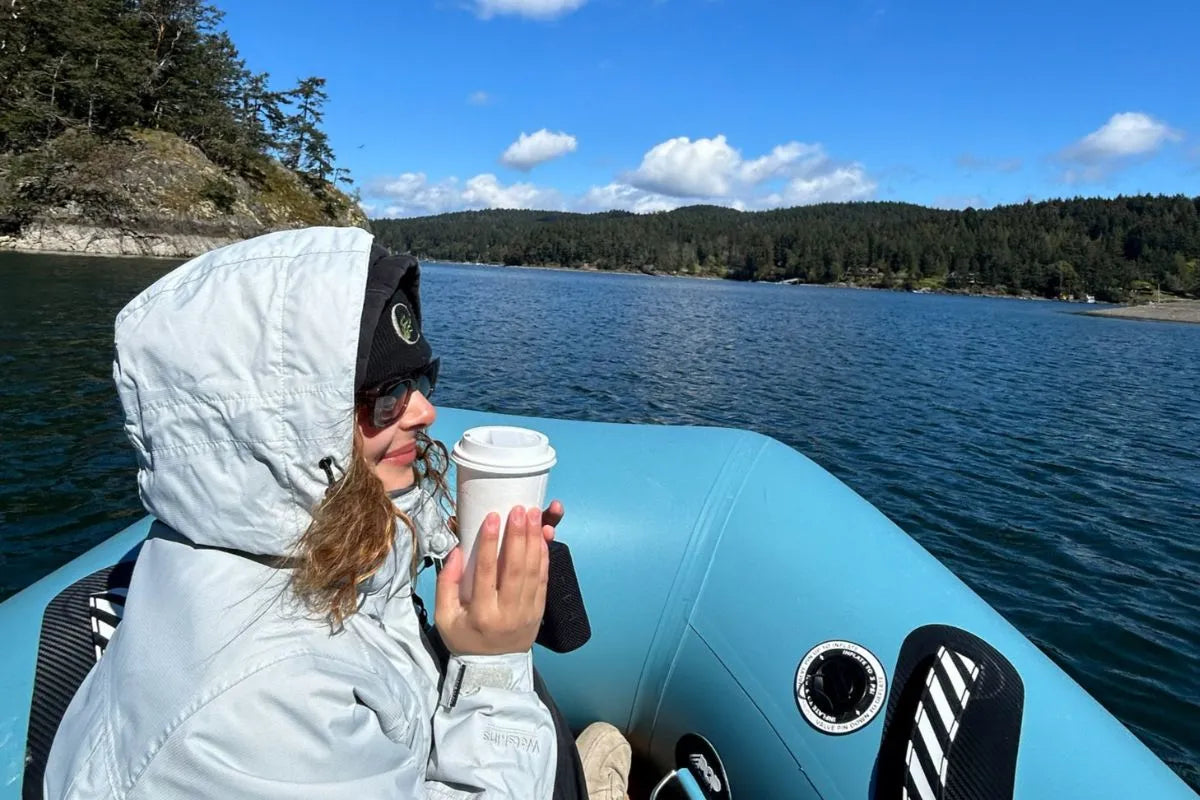
Memorial Day weekend, May 23 to 25, 2026, is the unofficial kickoff to the US boating season. It is also one of the most crowded weekends on the water. Ramps are packed. Rentals are out in force. Plenty of boats are seeing daylight for the first time since October.
The US Coast Guard’s Recreational Boating Statistics track reported recreational boating accidents every year, and the Coast Guard has warned that Memorial Day weekend brings increased boat traffic, machinery failures, and search and rescue situations. Many incidents trace back to predictable, preventable issues: missing safety gear, fuel problems, overloaded boats, and skippers who skipped the pre-season walkaround.
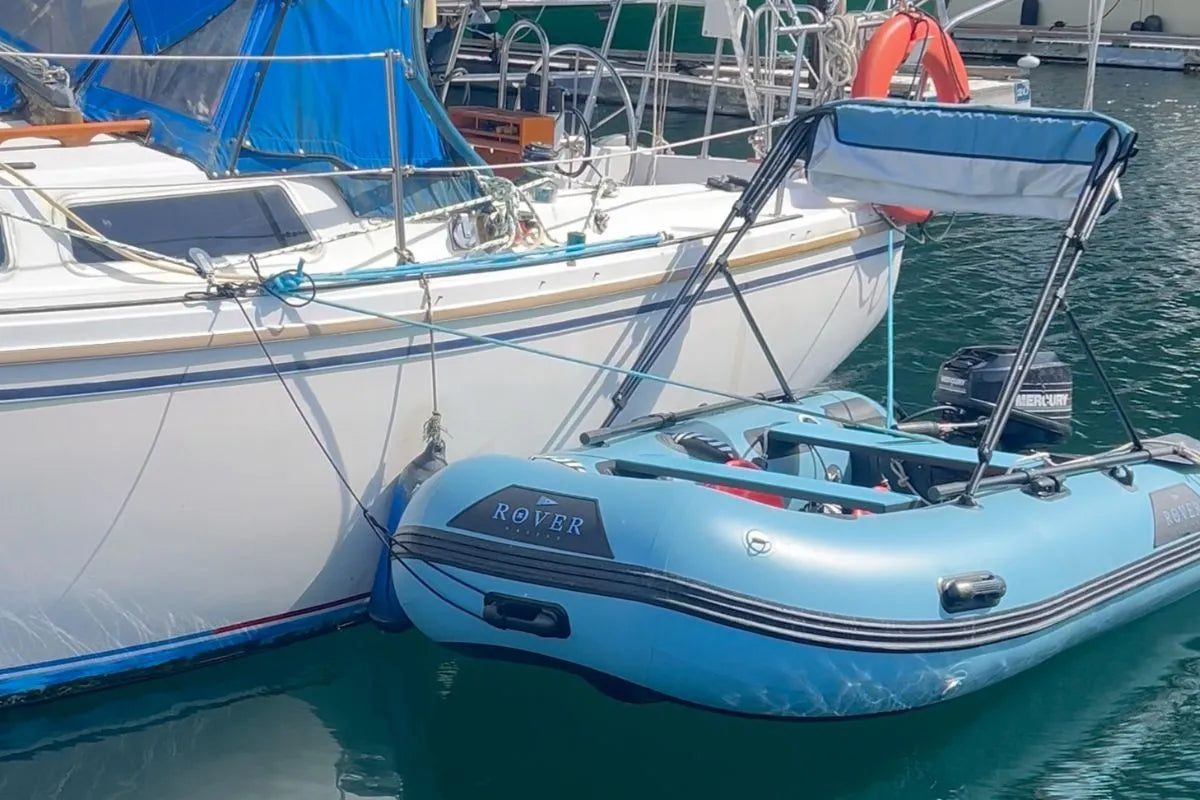
This Memorial Day boating checklist is built so you do not become part of that pattern. Whether you run a Rover Marine Battle Boat, stow a Battle Cat inflatable catamaran on your yacht, or are shopping for your first rig, this is the 14-day plan to launch ready.

Why Memorial Day Weekend Is the Riskiest of the Year
Three factors stack up every Memorial Day:
- Rusty skills. Most recreational boaters have not driven a boat in months.
- Cold water, warm air. Water temps in many parts of the Northeast, Midwest, and Pacific Northwest are still cold in late May. A fall overboard here can be a survival event, not a swim.
- Crowded ramps. More boats, trailers, and first launches hit the same ramps at the same time.
The National Safe Boating Council’s Safe Boating Campaign lists National Safe Boating Week as May 16 to 22, 2026. Use it as your deadline.
The 14-Day Countdown
Back the calendar up from your launch day. If you plan to hit the water Saturday, May 23, the work starts Saturday, May 9.
| Days Out | Task |
|---|---|
| 14 | Pull the boat out, complete a full visual inspection, and inventory safety gear. |
| 10 | Order replacement parts, flares, expired items, valve parts, batteries, or filters. |
| 7 | Inflate tubes, leak-check, and test the outboard on muffs or in a tank. |
| 3 | Pack the boat, prep the trailer, and recheck registration and insurance. |
| 1 | File your float plan, check weather, top off fuel, or charge batteries. |
| 0 | Run the day-of launch checklist below. |
Do not compress this. Parts ship slow in May. Flares, specifically, are often on backorder heading into Memorial Day.
Hull and Tube Inspection for Inflatables
Soft-sided boats live and die on their tubes. Spring is when last season’s small problems become this season’s big ones.
Check seams and rub strips
Run a hand along every glued seam, rub strip, handle patch, and transom bond. You are looking for any lifting, chalking, bubbling, or softness. If you see a seam starting to peel, do not inflate to full pressure. Get it repaired first.
Inflate to working PSI and hold
Both the Battle Boat and Battle Cat list tube pressure at 3.5 PSI and floor pressure at 10 PSI. Follow the spec plate and product manual for your exact boat. Inflate in the morning, check again at midday when the sun has heated the tubes, and check once more after cooling overnight. A drop means a leak.
Valve check
Inspect each valve and the sealing surface around it. Dirt, sand, cracked o-rings, or a valve that is not fully seated can cause slow leaks that drive boaters crazy. Clean around the valve, listen for seepage, and use soapy water if you need to chase bubbles.
Floor and transom
On drop-stitch floors, look for any delamination bubbles. On transoms, check the bond line where the transom meets the tube. This is one of the highest-stress joints on the boat.

Outboard Check: Gas vs Electric
Gas outboards
- Drain questionable old fuel or add fresh stabilized fuel. Fuel that sits too long can separate, clog filters, and cause rough running.
- Replace the fuel filter.
- Change the lower unit gear oil and look for milky water contamination.
- Install fresh spark plugs if they are due.
- Grease every fitting.
- Run it on muffs or in a proper test tank for 10 minutes and watch the tell-tale stream.
Electric outboards
Electric is one of the cleanest setups for small inflatables, yacht tenders, and quiet harbor runs. If you run an ePropulsion Spirit 1.0 Plus Short Shaft or a Torqeedo Travel 1103 S Short Shaft Electric Outboard, your spring checklist is:
- Charge the battery to full and verify charge status on the display or per manufacturer instructions.
- Inspect the prop for nicks, fishing line, or damage.
- Check the magnetic kill switch lanyard.
- Test tilt and steering friction.
- Look over the tiller cable, connector, clamp, and mounting bracket.
No fuel, no plugs, no winter varnish in the carb. Browse the full Rover Marine electric outboard motors collection if you are thinking about making the switch this year.
USCG Safety Gear Requirements
Required equipment is driven by boat length, waterway, fuel system, and operating conditions. For boats under 16 ft, which covers many tenders and Rover Marine setups, use this baseline. Then check state rules.
| Requirement | Spec |
|---|---|
| PFD | One wearable USCG-approved life jacket per person on board, in good condition and properly sized. |
| Throwable | Not typically required under 16 ft federally, but strongly recommended. State rules can be stricter. |
| Visual distress signals | Required on coastal waters, the Great Lakes, and high seas. For boats under 16 ft, night signals are the key federal requirement. |
| Fire extinguisher | May be required if the boat has enclosed fuel tanks, enclosed compartments, or construction that can trap explosive vapours. |
| Sound-producing device | Whistle or horn, ready to use. |
| Navigation lights | Required from sunset to sunrise and in reduced visibility. |
Use the BoatUS Foundation federal equipment requirements and 33 CFR Part 175 as references. Then check state rules through your local boating agency.
Pull your flares out and read the printed date. Pyrotechnic visual distress signals must be serviceable, accessible, and within their marked service life. If yours expire before the end of the season, replace them now.
Float Plan and Trailer Prep
File a float plan every trip
A float plan tells someone on land where you are going, who is with you, what boat you are using, and when you will be back. The US Coast Guard float plan guidance, the BoatUS float plan template, and the Coast Guard Boating Safety app all work. For a day run, text the basics to a family member. For overnighters, email it.
Trailer checklist
- Bearings: spin the hubs and listen for grit.
- Tires: check pressure cold and look for dry-rot cracks on the sidewalls. Trailer tires age out before they wear out.
- Lights: plug in and walk around with a helper.
- Winch strap: any fraying means replace it.
- Safety chains and coupler lock: inspect before the driveway, not at the ramp.
- Registration: make sure it is current.
If you transport by roof rack, SUV, truck bed, yacht locker, or in-cabin storage, inspect the bag, straps, pump, oars, and storage space. The 8 ft Battle Boat packs down to 38 in x 24 in x 15 in. Measure the locker before buying.
Day-of-Launch Checklist
Before you leave the driveway:
- ☐ PFDs on board for every person, and properly fitted.
- ☐ Full fuel or fully charged batteries.
- ☐ Drain plug in. Write this on a sticky note if needed.
- ☐ Cooler, water, sunscreen, and first aid kit.
- ☐ VHF radio or phone in waterproof pouch.
- ☐ Anchor with adequate rode for the depth and conditions.
- ☐ Paddle or oars as required redundancy.
- ☐ Float plan filed.
- ☐ Weather checked for the next 6 hours.
- ☐ Tide and current checked if coastal.
At the ramp:
- ☐ Trailer straps off before backing in.
- ☐ Trim up.
- ☐ Engine down before leaving idle water, if your setup requires it.
- ☐ Courtesy matters. Get on and off the ramp fast.
Memorial Day Weekend Itineraries Worth the Drive
A few reliably strong US boating zones for the last weekend of May:
- Lake Tahoe, CA/NV: cold water, clean coves, and protected pockets.
- Lake Powell, UT/AZ: prime flatwater before the summer crowds peak.
- Chesapeake Bay, MD: protected creeks, open bay runs, and strong late-spring fishing culture.
- Apostle Islands, WI: Lake Superior is cold enough that drysuits are smart, but the island routes are hard to beat.
- Florida Keys, FL: flats, backcountry, sandbars, and protected water when conditions line up.
- San Juan Islands, WA: big scenery, cold water, current, and real navigation. Plan carefully.
Discover Boating’s public water access guide can help you find launch points and public access close to home.
Don’t Have a Boat Yet? Memorial Day Is the Deadline
If you have been putting off buying, here is the straight math. A packable inflatable costs a fraction of a trailerable fiberglass boat, fits in a garage, SUV, RV, or yacht locker, and launches where bigger boats are too much hassle.
The 8 ft Battle Boat starts at $1,999. It is a rugged inflatable dinghy with a traditional inflatable hull design, military-grade PVC construction, a listed 600 lb capacity for the 8 ft model, and a packed size of 38 in x 24 in x 15 in.
The 8 ft Battle Cat starts at $2,299 and gives you dual-pontoon catamaran stability for fishing, family runs, and tender duty.
Pair either with an ePropulsion Spirit 1.0 Plus Short Shaft or a Torqeedo Travel 1103 S Short Shaft Electric Outboard and you have a quiet, no-fuel propulsion setup for tender runs, lake cruising, and calm-water exploring.
FAQ
When should I start my pre-season boat prep?
Two weeks minimum before launch day. Parts and accessories back-order hard in May, and you do not want to discover an expired flare or a bad battery the night before.
Do I need to register an inflatable boat?
If you put a motor on it, most states require registration, even with a trolling motor or small electric outboard. Rules vary state by state. Check with your state boating agency, wildlife department, or DNR office. USCG documentation is separate and generally not what small recreational inflatables use.
What water temperature is safe for boating without a wetsuit?
Dress for the water temperature, not the air temperature. Cold shock can happen fast, and NOAA notes that cold shock can be severe in 50 to 60°F water. In late May, much of the northern US can still be cold enough that immersion protection is smart. Wear a PFD and plan for the water you might fall into.
How do I know if my fuel went bad over winter?
Pour a small sample into a clear jar in a safe, ventilated area away from ignition sources. Bad gas may look cloudy, smell sour or like varnish, or show water at the bottom. When in doubt, drain and replace it.
Is Memorial Day really that much more dangerous than other weekends?
Memorial Day brings heavy traffic, rusty operators, cold water in many regions, and a lot of boats launching for the first time of the season. The Coast Guard has specifically warned that increased Memorial Day traffic raises the likelihood of search and rescue cases, machinery failures, and water accidents. Preparation is the biggest lever you control.
Ready for Launch?
Run the checklist, file the float plan, and you will give yourself a much cleaner shot at a safe Memorial Day weekend. If you are still shopping for a boat or outboard for the season, start with the Battle Boat, compare it against the Battle Cat, and review the electric outboard motors that match the way you actually boat.
If you have a question before you order, call 844-207-6837 or reach the team through the Rover Marine contact page. We ride too.
See you on the water.

Leave a comment
This site is protected by hCaptcha and the hCaptcha Privacy Policy and Terms of Service apply.