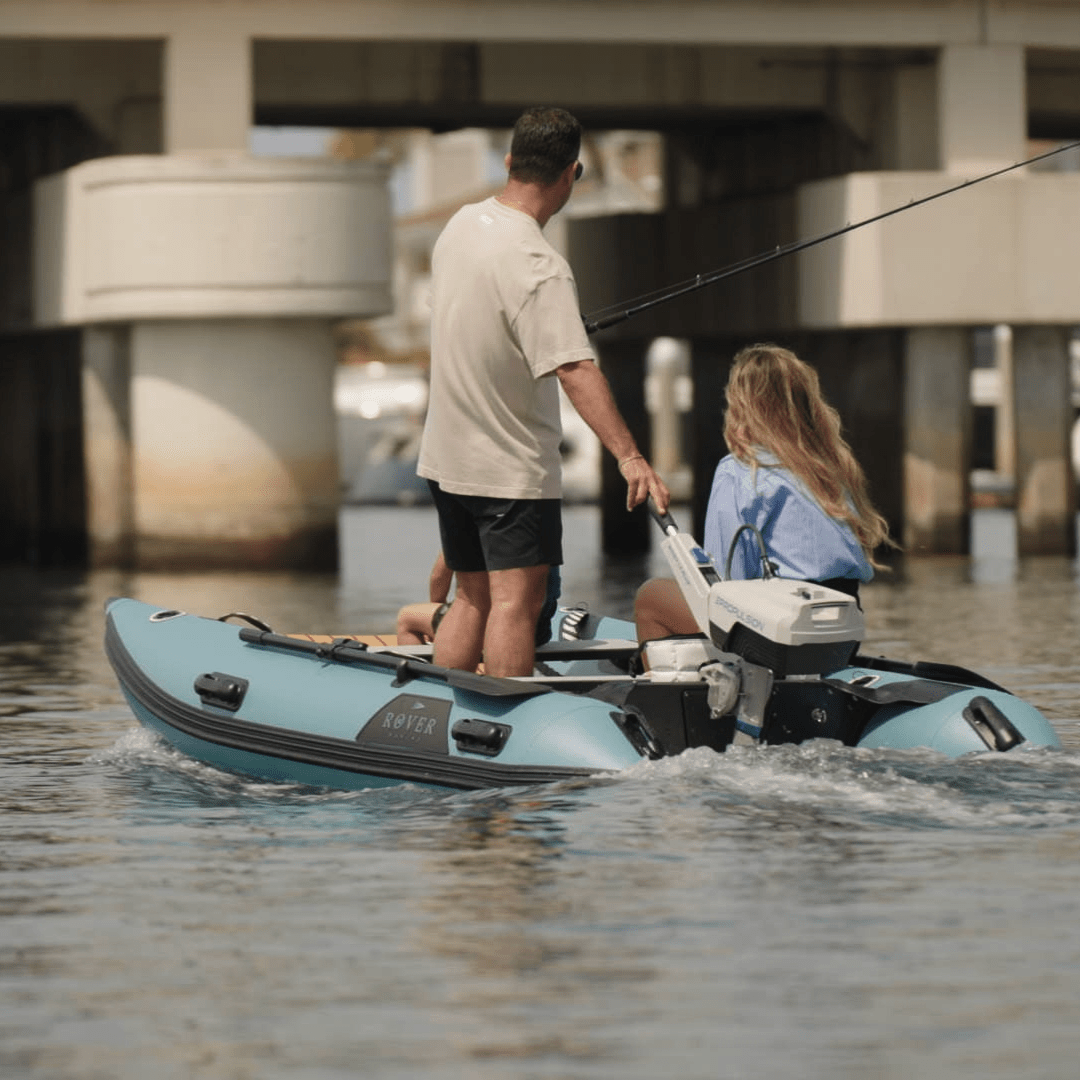
Inflatable dinghies are your go-to for tender duties, quick trips ashore, fishing excursions, and casual jaunts on the water. Selecting the right outboard motor is crucial for ensuring safety, smooth handling, and an enjoyable experience. This guide will walk you through how different outboard types operate, how to match horsepower and shaft length to your dinghy's size and load, and how to set up and maintain electric outboards for dependable performance. Many boaters prioritize ease of transport, quiet operation, and minimal upkeep, so we'll focus on practical comparisons between electric and gas options, provide checklists for making your choice, and offer real-world advice for common inflatable models. You'll find clear horsepower recommendations based on dinghy length, a breakdown of the pros and cons of electric versus gas propulsion, and specific electric outboards that are ideal for inflatable use. We also cover installation, charging, troubleshooting, and how Rover Marine's inflatable dinghies are designed to pair perfectly with portable motors, empowering you to make a confident purchase. Dive in for structured buying advice, comparison charts, and step-by-step maintenance tips tailored for dinghy and tender owners.

What Types of Outboard Motors Shine for Inflatable Dinghies?
When it comes to outboards for inflatable dinghies, there are two main practical categories: electric outboards and gas outboards. Both propel your boat via a propeller mounted on the transom, but they differ primarily in their power source and maintenance needs. The best choice hinges on your intended use, how far you plan to travel, and what handling characteristics you prioritize. Understanding the trade-offs in noise, weight, maintenance, and runtime will help you narrow down your options. For short trips, quiet work in harbors, and easy solo transport, electric outboards often hit the sweet spot. For longer ranges, heavier loads, or sustained high-speed operation, gas outboards still offer distinct advantages. Below, we'll compare their core differences and outline typical scenarios where each type excels, leading us naturally into the technical specifics of electric versus gas systems.
What Sets Electric and Gas Outboard Motors Apart?
An electric outboard transforms stored electrical energy into rotational power using an electric motor and battery, while a gas outboard burns fuel in an internal combustion engine to drive the propeller shaft. This fundamental difference dictates everything from noise levels and maintenance requirements to how you refuel. Electric systems deliver instant torque and operate almost silently, with fewer routine mechanical tasks since they lack carburetors, spark plugs, and oil changes – a real plus for reducing ownership hassle with dinghies. Gas engines, on the other hand, offer higher continuous power density and simpler refueling for longer journeys, making them a solid choice for heavier loads, offshore transfers, or extended voyages where charging points are scarce. Grasping these mechanical and operational distinctions will clarify which situations – from tender duty and fishing to long-distance cruising – favor electric or gas propulsion, setting the stage for why electric outboards often align perfectly with dinghy owners' priorities.
Why Are Electric Outboards a Top Pick for Inflatable Dinghies?
Electric outboards are an excellent fit for many inflatable dinghy owners because they excel in portability, quiet operation, and low routine maintenance – qualities that perfectly match the typical use cases of short trips, enjoying nature without disturbance, and easy solo handling. Their reduced vibration and absence of exhaust fumes enhance comfort onboard and make them ideal for use in harbors, lakes, and environmentally sensitive areas where quiet, emission-free propulsion is a must. Advances in battery technology mean removable packs simplify charging ashore and allow for lightweight storage, a boon for owners who frequently need to lift, carry, or stow their motor. Recognizing these advantages helps dinghy owners pinpoint scenarios – quick hops, calm-water fishing, or yacht tender duties – where electric propulsion offers the most practical benefits.

What Are the Upsides and Downsides of Gas Outboards for Dinghies?
Gas outboards truly shine when it comes to delivering continuous high power, enabling you to handle heavier loads and cover longer distances without the downtime associated with recharging. This is a significant advantage for extended transfers or work applications that demand sustained thrust. They also benefit from a well-established refueling and service infrastructure, plus generally straightforward fueling logistics for remote or long-distance cruising. The trade-offs, however, include higher noise levels, more frequent routine maintenance tasks, the need for fuel storage and proper ventilation, and typically greater weight for equivalent sustained power compared to electric alternatives. Weighing these pros and cons helps owners decide when the durability and range of gas propulsion outweigh the operational simplicity and environmental benefits of electric systems, naturally leading into the horsepower and shaft-length guidance that ensures a proper fit.
Inflatable Boat Safety Standards: Construction, Loading, Powering, and Stability
This report contains the data collected and procedures developed in the areas of construction, safe loading, powering and underway stability, and human factors. Recommended standards concepts are proposed.
Inflatable Boat Standard Development, 1973
How to Nail the Horsepower and Shaft Length for Your Inflatable Dinghy?
Choosing the right horsepower and shaft length is all about matching your dinghy's length, transom height, typical load, and intended speed to the motor's capabilities. This ensures the propeller stays properly immersed, handling remains safe, and operation is efficient. Shaft length directly impacts propeller immersion and the boat's trim, while horsepower dictates acceleration, cruising speed, and the ability to handle waves and loads. Below, you'll find a concise set of recommendations and measurement guidance to translate your dinghy's dimensions and how you'll use it into motor specifications that balance safety and portability. After reviewing the numerical guidance, we'll discuss how to measure shaft length and consider motor weight to finalize your selection.

What Horsepower Is Recommended for Different Inflatable Dinghy Sizes?
This table maps common inflatable lengths to typical recommended horsepower ranges, helping owners select power that balances safety, the ability to plane, and fuel or battery considerations.
| Dinghy Length | Recommended HP Range | Typical Load Consideration |
|---|---|---|
| 8–9 ft | 2–6 HP | Solo use, light gear; prioritize portability |
| 10 ft | 3–10 HP | Two people or moderate gear; versatile for cruising |
| 12 ft | 5–15 HP | Multiple passengers or fishing gear; potential for planing |
| 14 ft | 10–25 HP | Heavier loads and rougher water; higher sustained power needed |
This numerical guidance translates dinghy length and intended load into practical horsepower ranges and sets expectations for speed and handling. Use the next section to match shaft length and transom height for safe propulsion.
How Does Shaft Length Impact Motor Compatibility and Performance?
Shaft length determines how deep the propeller sits beneath the hull, affecting the risk of cavitation, steering control, and the boat's trim. A shaft that's too short can lead to ventilation (where air gets drawn into the propeller), while one that's too long can add unnecessary weight and leverage on the transom. Measure the distance from the top of your transom to the waterline and compare it to the motor's shaft category—short, long, or extra-long—to ensure proper propeller immersion when the dinghy is loaded. The correct shaft length minimizes drag and improves fuel or battery efficiency because the propeller operates in consistent water. It also simplifies steering and reduces stress on transom fittings. With shaft length sorted, the next consideration is motor weight and how it affects handling and storage on an inflatable.
How to Match Motor Weight and Portability to Your Dinghy?
Motor weight plays a significant role in how easy it is for one person to carry, launch, and lift the motor, as well as how it affects the dinghy's trim when mounted. Lighter motors enhance portability but might mean sacrificing maximum sustained thrust or, in the case of electric models, runtime. Consider how often you'll be carrying the motor, whether you'll need to lift it over davits or stow it on a larger yacht, and if your dinghy's transom is reinforced for heavier units. If you need to charge ashore or limit onboard weight, prioritize models with removable battery packs. The question of mobility ties directly into your mission profile: if quick shore launches or solo operation are key, opt for lighter options and plan for shorter trips. If range and load capacity are critical, accept heavier motors and ensure your transom is adequately reinforced. These considerations naturally lead into selecting electric outboards that strike the right balance between portability and performance.
Which Electric Outboard Motors Are Best Suited for Inflatable Dinghies?
When choosing electric outboards for inflatables, the focus is on portability, quiet operation, and minimal maintenance. Evaluating models involves looking at battery design, ease of mounting, equivalent horsepower, and practical runtime for typical dinghy use. The top electric choices combine integrated or removable battery options, compatibility with short-shaft mounting, and user-friendly controls that work well in compact transom spaces. Below is a comparison table that contextualizes available electric models alongside a practical small gas outboard comparison, showcasing their relative attributes without inventing proprietary specifications. Following the table, we'll highlight specific models carried by Rover Marine and discuss their environmental and maintenance advantages.
Different electric and small gas outboards offer distinct trade-offs in weight, shaft choice, thrust class, and runtime; this table helps readers compare them at a glance.
| Motor Model | Weight / Portability | Shaft Length | Thrust Class | Runtime / Range |
|---|---|---|---|---|
| ePropulsion Spirit 1.0 Plus | Engineered for portability and electric use | Available in short/standard shaft options | Electric low-to-mid thrust, ideal for dinghies | Runtime varies based on battery and load, as stated by manufacturer |
| Torqeedo Travel 1103 S | Designed as a travel-friendly electric outboard with integrated battery options | Configured for short-shaft dinghy mounting | Electric low-to-mid thrust with marine-grade construction | Runtime depends on battery configuration, as stated by manufacturer |
| Typical small gas outboard | Heavier, requires fuel, established refueling infrastructure | Available in short and long shafts | Higher sustained thrust options available | Range determined by fuel tank capacity and consumption rate |
This comparison highlights the portability and electric advantages against the sustained-power profile of small gas engines. The following subsections will profile the electric models Rover Marine offers and compare them for various dinghy scenarios.
What Are the Key Features of the ePropulsion Spirit 1.0 Plus?
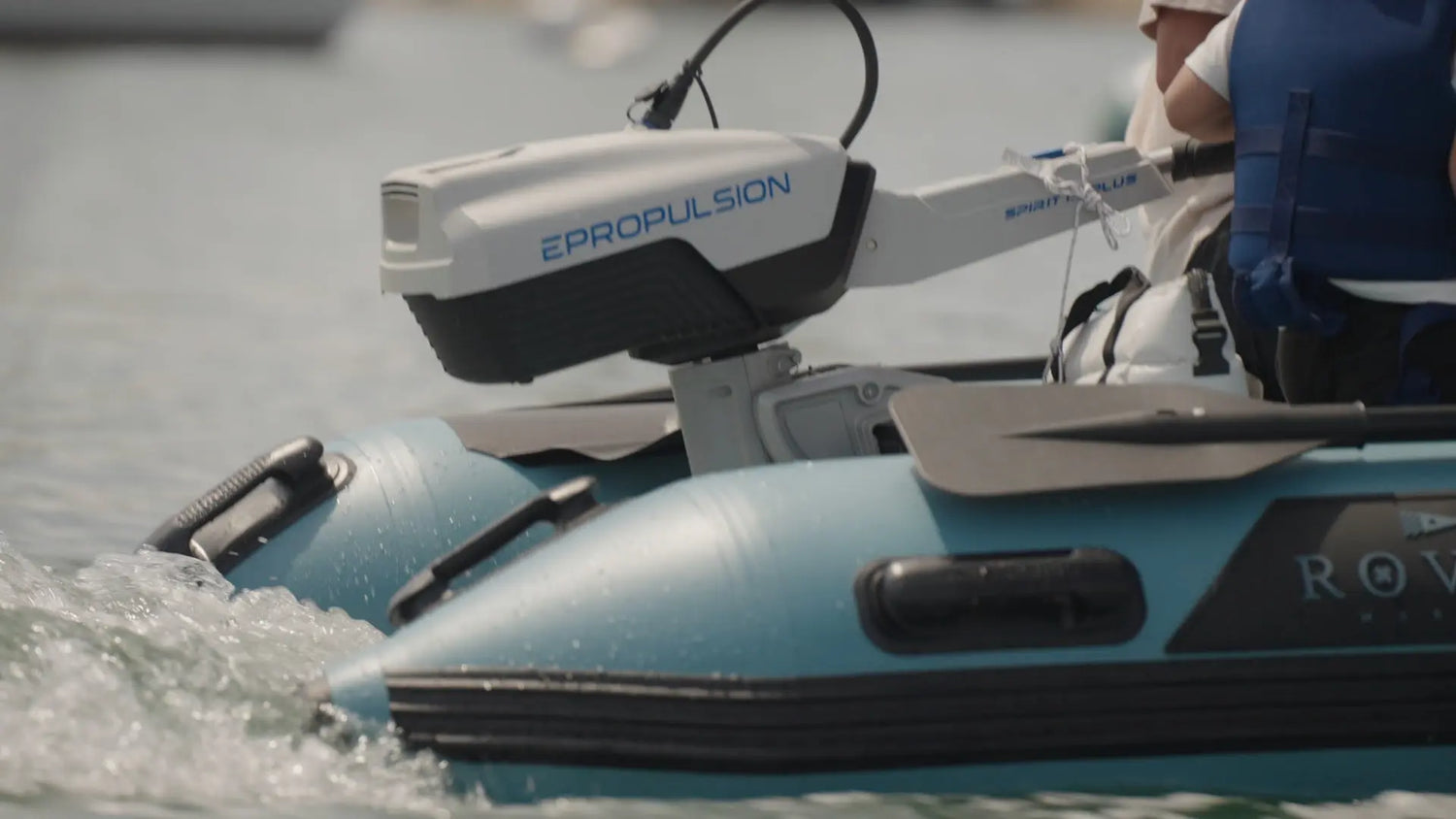
The ePropulsion Spirit 1.0 Plus stands out as a portable electric outboard designed for user-friendly mounting and straightforward battery management, making it a practical choice for short-run applications with inflatable dinghies. Its design prioritizes quiet operation and simplified maintenance compared to combustion engines, aligning perfectly with tender and leisure use where noise and service time are important considerations. As specifics are manufacturer-defined, owners should verify battery configuration and shaft compatibility when matching the motor to a particular transom height or load. Understanding these strengths helps dinghy owners weigh portability and low-maintenance benefits against their specific runtime needs for typical outings.
How Does the Torqeedo Travel 1103 S Measure Up for Dinghy Use?
The Torqeedo Travel 1103 S is marketed as a travel-focused electric outboard featuring integrated battery options, all tailored for portability and easy transport, making it well-suited for inflatables used as tenders or for calm-water recreation. It typically emphasizes compact storage, quiet propulsion, and simple charging workflows that reduce operational friction for short-range activities. Comparisons with alternatives often center on how each model addresses battery removal, shaft length options, and user ergonomics during mounting and stowage. These practical differences are key for owners prioritizing portability and ease of use over long-range capability.
What Are the Environmental and Maintenance Benefits of These Electric Motors?
Electric outboards significantly reduce onboard emissions, eliminate the need for fuel storage on small boats, and cut down on the typical maintenance tasks associated with internal combustion engines – all factors that make them highly attractive to owners who value environmental impact and low upkeep. Routine maintenance is generally limited to checking electrical connections, inspecting the propeller for any damage, and caring for the battery. This simplifies seasonal preparation and lowers long-term service costs. The quieter operation also minimizes noise disturbance to wildlife and fellow boaters, making electric propulsion a favored choice in marinas, harbors, and protected areas. Recognizing these benefits supports decisions favoring electric systems for short-range dinghy tasks and points directly to the installation and battery management best practices covered next.
Inflatable Vessel Design Study: Performance, Load Capacity, and Maneuverability
The goal of the study was to have students design concept vessels for their numerous applications based on their specifications. Some of these objectives the sponsors were looking for included an inflatable vessel capable of navigating at sea-state 3-5 and be able to carry a load of 100 lbs. Additionally, the vessel needs to have the ability to maneuver at a 6 knot hull speed and feature puncture resistance.
Inflatable Vessel Design Study, 2019
How Do Rover Marine Inflatable Dinghies Pair with Outboard Motors?
Rover Marine's inflatable models are designed to pair seamlessly with outboards, considering transom design, stability, and intended activity. Compatibility decisions should prioritize recommended motor classes, mounting practices, and operational scenarios to ensure safe and efficient integration. The pairing logic hinges on matching the boat's layout—its stability and transom height—with the motor's weight, shaft length, and thrust. This allows owners to select motors that maintain excellent handling while delivering the required propulsion. Below is a concise compatibility map to help translate Rover Marine model names into practical motor recommendations and mounting notes, supporting your purchase decisions.
| Rover Marine Model | Recommended Motor | Best Use Case | Mounting / Weight Notes |
|---|---|---|---|
| Battle Cat | Lightweight electric options like the ePropulsion Spirit 1.0 Plus or Torqeedo Travel 1103 S | Calm-water cruising, fishing, easy shore runs | Stable catamaran design supports electric outboards; confirm short-shaft compatibility |
| Battle Boat | Higher-thrust options including robust electric or small gas outboards | Rugged use, tender duty in varied conditions | Sturdy transom can handle higher thrust; consider reinforced mounting for heavier motors |
| Generic inflatable tender | Portable electric or small short-shaft gas motors, depending on range needs | Yacht tender, short excursions, beach landings | Prioritize transom protection, solo handling, and battery storage strategy |
This map illustrates when lightweight electric motors are a great match for Battle Boat models and when higher thrust should be considered, leading into specific model compatibility points for the Battle Cat and Battle Boat.
What Makes the Battle Cat Ideal for Electric Outboards?
The Battle Cat's design emphasizes stability and a deck layout that perfectly complements electric outboards, providing a steady platform for shorter trips, fishing, and leisurely cruising where quiet operation is highly valued. Its catamaran hull or stable multi-chamber inflatable floor helps maintain trim with lightweight electric units and enhances handling during low-speed maneuvers. For owners focused on calm-water activities or tender duties, pairing the Battle Cat with portable electric models means less maintenance and simpler stowage, all while preserving ample deck space. Considering this suitability helps owners decide between slightly higher-thrust electric configurations or compact travel-focused units for everyday convenience.
How Does the Battle Boat Perform with Different Outboard Motors?
The Battle Boat is engineered for demanding tasks where a wider range of motor choices might be suitable, including higher-thrust electric options or small gas outboards when sustained power and load capacity are key priorities. In rougher water or when carrying heavier gear, increased thrust improves safety and handling, so owners might accept additional weight or maintenance in exchange for enhanced capability. However, for typical tender or leisure use, lighter electric motors remain an attractive option due to their simplicity and quiet operation, while still offering sufficient performance for many scenarios. These trade-offs guide owners in selecting motors that align with their most frequent missions, whether for utility or leisure.
Which Motors Are Recommended for Yacht Tender, Fishing, and Leisure Uses?
Matching your activity to your motor choice helps owners select propulsion that best supports their mission-specific needs: yacht tenders require portability and quiet operation, fishing demands good torque and runtime, and leisure users seek a balance of speed and battery life. The following bullet points summarize activity-to-motor guidance to help you make quick decisions.
- Yacht tender: Prioritize compact, easily removable electric motors for silent shore approaches and straightforward stowage.
- Fishing: Opt for motors that deliver consistent torque and longer runtime, considering larger battery packs or small gas options for extended trips.
- Leisure: Balance moderate speed and battery life with lightweight designs for comfortable short cruises.
These activity mappings clarify how Rover Marine models pair with electric and gas options and set the stage for installation and battery management practices to ensure reliable operation.
Essential Installation, Charging, and Maintenance Tips for Electric Outboards
Proper installation, charging, and maintenance of electric outboards are key to maximizing runtime, reliability, and safety. Owners should follow a systematic checklist for mounting, battery care, and routine inspections to avoid common issues. Correct transom protection, secure fastening, and checks for propeller clearance reduce the risk of damage, while conservative charging and storage practices preserve battery life and performance. The practical steps below include numbered installation tasks and battery management best practices to keep your small electric motor dependable for dinghy outings. After installation guidance, we'll cover basic troubleshooting to minimize downtime on the water.
How to Properly Install an Electric Outboard on an Inflatable Dinghy?
Installing an electric outboard begins with ensuring the transom is clean, structurally sound, and fitted with protective pads to distribute clamp pressure. This prevents localized deformation and securely fastens the motor. Next, position the motor so the propeller will sit at the correct depth for your dinghy's typical loaded waterline, and tighten the clamps incrementally while checking alignment and steering range. Verify that the throttle and kill-switch cables are routed to avoid snagging, and test the engine tilt and trim functions while the boat is still secure to ensure adequate clearance when planing or launching. These mounting steps reduce the risk of ventilation and improve handling, leading into battery charging and storage considerations that maintain optimal runtime.
What Are Best Practices for Charging and Battery Management?
Effective battery management centers on charging according to manufacturer recommendations, avoiding deep discharges, and storing batteries in cool, dry conditions to preserve capacity and safety. Removable battery packs make shore charging convenient and minimize onboard weight during transport. Use a charging cadence that returns cells to a healthy state after each use, rather than repeatedly running them to full depletion. Monitor battery health indicators or manufacturer-specified diagnostics to detect capacity loss over time. For lithium systems, adhere to temperature limits and storage state-of-charge guidelines to prevent degradation, and secure batteries during transit to prevent impact damage. These practices extend battery life and ensure dependable runtimes for your dinghy outings.
How to Troubleshoot Common Issues with Electric Outboard Motors?
When encountering no-start, low thrust, or intermittent power issues, start with basic checks: battery charge level, positive/negative terminal connections, and any visible damage to wiring or the propeller. Many common problems trace back to loose connections or depleted batteries. If the motor powers up but lacks thrust, inspect the propeller for debris or damage and verify correct propeller immersion and shaft alignment to prevent cavitation. For charging issues, confirm the charger's LED indicators and test with an alternate, known-good power source if possible. Persistent electrical faults or unusual noises warrant professional inspection under warranty or through manufacturer support. These diagnostic steps can resolve typical faults quickly and highlight when to escalate to technical support.
What Are the Key Factors to Consider When Comparing Outboard Motors for Dinghies?
Comparing outboard motors involves weighing weight, runtime, thrust, portability, price, and warranty to determine the total cost of ownership and real-world suitability for your dinghy missions. Make side-by-side comparisons focused on how each attribute impacts daily use: weight influences carryability and trim, runtime constrains trip planning, and thrust dictates handling with loads. Consider workshop access and service networks for warranty support, plus the economics of battery replacement for electric systems versus fuel and engine service for gas models. The checklist and brief decision guidance below help owners prioritize attributes relative to their most common activities.
Here are the primary factors to compare when choosing an outboard for an inflatable dinghy:
- Weight and portability: Lighter motors make single-person launches and stowage easier.
- Runtime and refueling/charging: Match expected trip length to battery or fuel capacity.
- Thrust and horsepower equivalence: Ensure sufficient thrust for planned loads.
- Price and warranty: Consider the total cost of ownership, including service and battery replacement.
How Do Weight, Runtime, and Thrust Affect Motor Performance?
Weight, runtime, and thrust form a performance triangle where improving one area often impacts the others: higher thrust and longer runtime tend to increase weight, and reducing weight can limit available runtime or top-end power. For dinghy owners, this means selecting a motor that supports intended activities rather than chasing maximal specs—short tender hops favor low-weight, moderate-thrust units, while fishing or heavy-load tasks benefit from higher thrust and larger batteries or fuel reserves. Balance your decisions by prioritizing your most frequent mission profile and accepting trade-offs for occasional needs, and plan your mounting and storage accordingly to manage added weight when necessary. This understanding of performance helps you make choices that maintain safety and efficiency.
Why Is Portability Crucial for Inflatable Dinghy Motors?
Portability is essential because many inflatable dinghy users frequently lift, carry, and stow their motors. A motor that one person can remove, transport, and charge ashore significantly reduces hassle and increases the likelihood of consistent use. Consider how often the motor will be removed for transport, whether it will be carried up steep ramps, and how it will be stored onboard a mother vessel. These operational details influence shaft selection, battery configuration, and handle design. A portable motor also simplifies emergency replacements and temporary transfers between boats, making portability a high-priority attribute for tender and beach-launch users. Portability choices naturally influence price and maintenance expectations, which we'll address next.
How Do Price and Warranty Influence Your Motor Choice?
Price and warranty shape the long-term value proposition: the upfront cost must be weighed against expected spending on batteries, fuel, maintenance, and potential repairs, while the warranty scope determines access to authorized service and replacement parts. Electric motors can reduce routine service costs but may incur battery replacement expenses over time, whereas gas engines might have a lower initial cost for certain power ranges but higher ongoing maintenance. Evaluate manufacturer support networks and warranty terms when comparing models, and consider resale value and parts availability as part of your total ownership planning. These economic factors help finalize a motor choice that aligns with both your budget and operational priorities.

Frequently Asked Questions
What maintenance is required for electric outboard motors?
Electric outboard motors require significantly less maintenance than gas engines. Routine tasks typically include checking electrical connections, inspecting the propeller for damage or debris, and ensuring the battery is charged and stored properly. Unlike gas motors, electric outboards do not require oil changes, spark plug replacements, or fuel system maintenance, making them easier to care for. Regularly monitoring battery health and following manufacturer guidelines for charging and storage will help extend the lifespan of the motor and ensure reliable performance.
Can I use a gas outboard on an inflatable dinghy?
Yes, gas outboards can be used on inflatable dinghies, but it is essential to choose the right model that matches the dinghy's specifications. Consider the weight, thrust, and shaft length to ensure compatibility and safe operation. Gas motors provide higher sustained power, making them suitable for heavier loads and longer distances. However, be mindful of the increased maintenance and noise associated with gas engines, as well as the need for proper fuel storage and ventilation on the dinghy.
How do I determine the right battery size for my electric outboard?
Choosing the right battery size for your electric outboard involves considering the motor's power requirements, the expected runtime, and the weight capacity of your dinghy. Look for the manufacturer's recommendations regarding battery specifications, including voltage and amp-hour ratings. A larger battery will provide longer runtime but may add weight, affecting portability. Assess your typical usage patterns, such as distance and load, to find a balance between sufficient power and manageable weight for your inflatable dinghy.
What safety precautions should I take when using outboard motors?
Safety is paramount when using outboard motors. Always wear a life jacket and ensure that all passengers are aware of safety protocols. Before starting the motor, check for any obstructions in the water and ensure the propeller is clear. Familiarize yourself with the motor's controls and emergency shut-off features. Additionally, maintain a safe distance from other boats and swimmers, and be aware of local regulations regarding boating and motor use. Regular maintenance checks will also help prevent mechanical failures while on the water.
What is the average lifespan of an electric outboard motor?
The average lifespan of an electric outboard motor can vary significantly based on usage, maintenance, and quality of the motor. Generally, with proper care, electric outboards can last anywhere from 5 to 15 years. Factors such as battery maintenance, regular inspections, and adherence to manufacturer guidelines play a crucial role in longevity. Additionally, the type of water conditions and frequency of use can impact the motor's lifespan, so it's essential to monitor performance and address any issues promptly.
Are there any environmental benefits to using electric outboards?
Yes, electric outboards offer several environmental benefits compared to gas-powered motors. They produce zero emissions during operation, reducing air and water pollution, which is particularly important in sensitive marine environments. Electric motors also operate quietly, minimizing noise pollution that can disturb wildlife. Furthermore, they eliminate the need for fuel storage on board, reducing the risk of spills and contamination. By choosing electric outboards, boaters can enjoy recreational activities while contributing to the preservation of aquatic ecosystems.
What Size Outboard Motor Is Best for a 10ft Inflatable Dinghy?
A 10ft inflatable dinghy commonly requires a motor in the 3–10 HP range, depending on the load and desired speed. Lighter loads and short leisure trips can utilize lower-rated motors, while heavier loads or faster planing speeds necessitate higher power within this range. Consider the number of passengers and gear when making your final size selection, and prioritize shaft length compatibility and transom strength when fitting a larger motor. This direct guideline links to the horsepower table for more context and helps set expectations for performance and fuel or battery planning.
Are Electric Outboards Quiet and Efficient for Dinghy Use?
Yes, electric outboards are characteristically quiet and highly efficient for the short runs and stop-start operations typical of dinghy use, delivering instant torque and reduced vibration compared to gas engines. Their efficiency is particularly noticeable in tender duties and harbor cruising, although absolute range depends on battery capacity and load, which owners must plan for conservatively. For many dinghy missions, the quiet operation and lower maintenance make electric systems a superior daily-driver choice.
What Is the Lightest Outboard Motor Suitable for Inflatable Boats?
The lightest suitable motors are typically travel-oriented electric outboards and small portable gas models designed for easy single-person handling. When weight is the top priority, look for models marketed specifically for portability and short-range use. Evaluate carry handles, quick-release clamps, and removable battery packs to ensure genuine ease-of-use during launches and stowage. These portability features should be balanced against runtime and thrust needs to avoid underpowering the dinghy.
How Much Horsepower Do I Need for Safe and Efficient Boating?
Start by assessing your typical load (passengers + gear), desired cruising speed, and the conditions you usually encounter. Follow the horsepower ranges provided in the table, and lean toward the higher end if you anticipate frequent heavy loads or rough water. Safety comes from having reserve thrust for maneuvering and handling waves, so choosing a motor with adequate headroom for worst-case scenarios enhances on-water resilience. Use the decision flow of load → desired speed → HP range provided earlier to finalize a safe choice.
What Are the Benefits of Short Shaft Outboards for Inflatable Tenders?
Short shaft outboards reduce weight and simplify handling for low-transom inflatables by keeping the motor compact and easier to carry. This is a significant advantage for frequent shore launches and tender stowage. They also lessen the leverage on the transom and improve portability, but require careful measurement to avoid propeller ventilation in choppy conditions. Measure the transom-to-waterline distance and consult manufacturer shaft categories to prevent cavitation or immersion issues, as a proper fit preserves performance and prevents damage.
For readers ready to act on these recommendations, consider matching the guidance above to specific models and configurations when evaluating purchases. Rover Marine offers inflatable models named Battle Boat and Battle Cat, and stocks electric outboards such as the ePropulsion Spirit 1.0 Plus and Torqeedo Travel 1103 S that align with many of the portable and low-maintenance scenarios described. Explore product pages and resources from Rover Marine for detailed model information, compatibility notes, and support to complete your selection with confidence.