Choosing the right inflatable boat changes how you spend time on the water — whether you’re casting for bass, cruising with friends, or just floating the afternoon away. As the 2026 boating season approaches, February through early spring marks the critical window for informed buyers to compare brands, features, and long-term value before inventory tightens. With dozens of models and competing claims, reliable ratings and clear feature breakdowns are essential to make the choice simple. This guide previews the top-rated inflatable boats for 2026, highlights the brands that consistently perform, and helps you match a boat to how you actually use it. We cover leading manufacturers, the must-have features for fishing and recreation, material and construction differences, trusted review sources, and the accelerating tech shaping inflatables today.

Navigating the 2026 Boating Season: Why Pre-Season Research Matters
For the 2026 boating season, smart buyers are shifting their research to the winter and early spring months. This strategic approach allows ample time to thoroughly compare brands, scrutinize specifications, and assess long-term value before the rush of summer demand. Prioritizing research now helps secure the ideal boat, often at better pre-season availability, and ensures a purchase driven by informed decisions rather than impulse. Understanding ratings and detailed comparisons at this stage is crucial for investing in a craft that truly meets your needs for seasons to come.
What Are the Top Rated Inflatable Boat Brands for 2026?
For 2026, a few brands continue to stand out for consistent build quality, smart design, and positive customer feedback — all things that matter on the water. These names regularly appear in user tests and expert roundups for durability and real-world performance. The top-rated inflatable boat brands include:
- Intex: Value-forward and dependable, Intex makes easy-to-use boats that suit casual paddlers and families.
- Sea Eagle: Known for high-pressure models that deliver stability and solid on-water performance — a favorite with anglers.
- Zodiac: Built rugged and versatile, Zodiac boats are designed for everything from weekend fun to professional use.
- Aquaglide: Focused on comfort and simplicity, Aquaglide’s recreational boats are a go-to for relaxed days on the water.
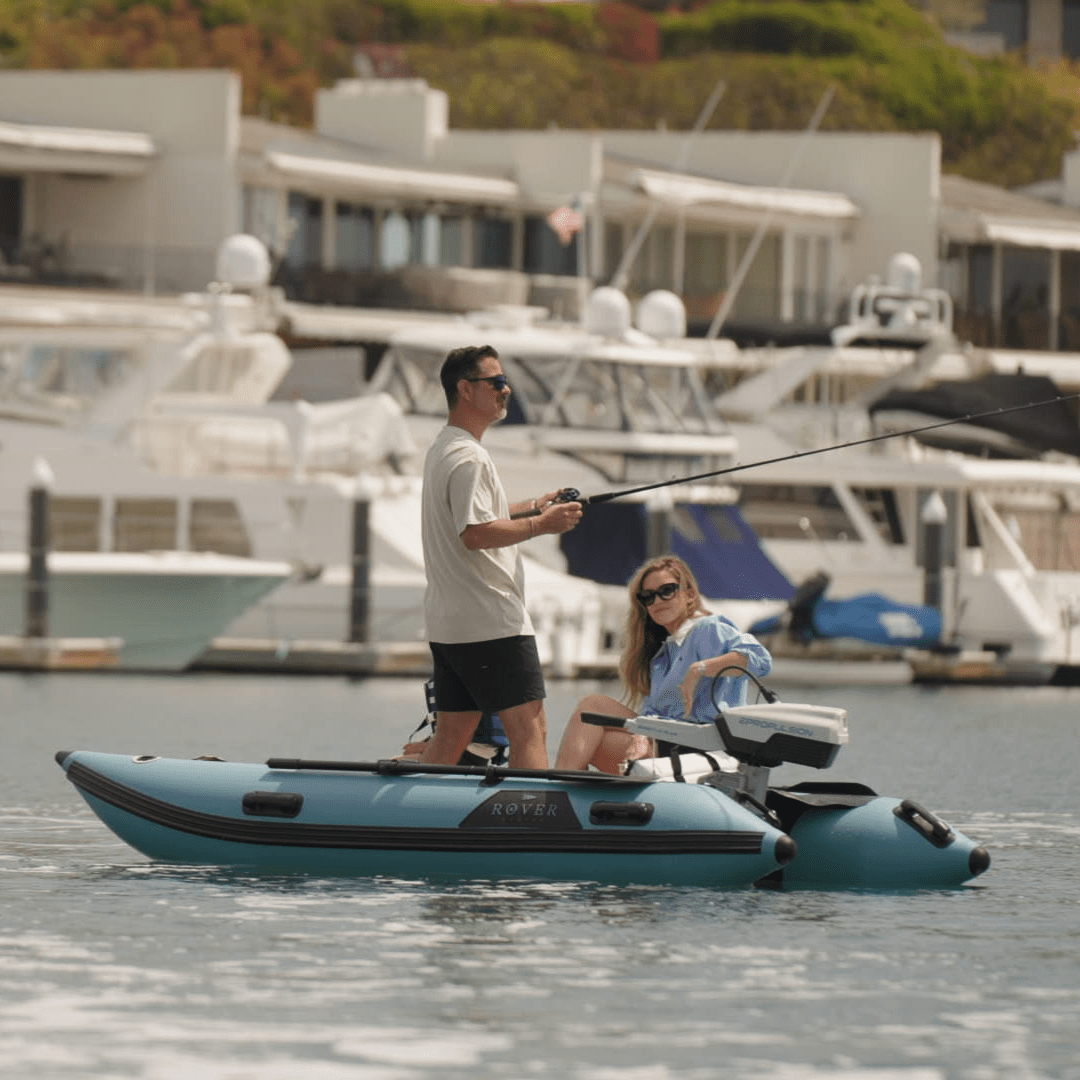
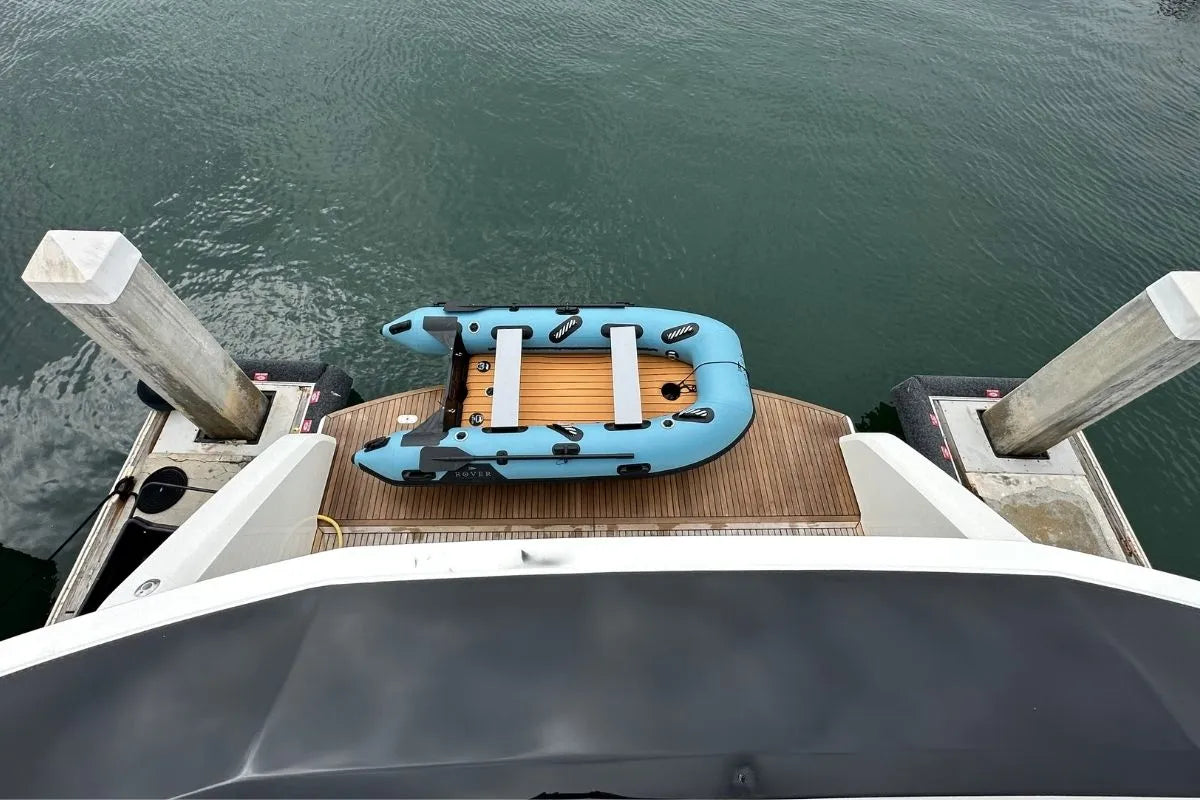
- Rover Marine: Launched in 2025, Rover Marine quickly established itself by intentionally standing apart from marketing-driven competitors. Having spent its first year refining designs and incorporating real-world feedback, Rover Marine enters 2026 doubling down on transparent specifications, high construction standards, and responsive customer service. Their boats feature triple-layer reinforced 1100D PVC construction, high-pressure drop-stitch floors (inflated to 10 psi), and tube pressure of 3.5 psi, available in V-hull and catamaran designs across 8 ft, 10 ft, and 12 ft sizes. Backed by a 3-Year Warranty and a 60-Day Rider’s Guarantee, Rover Marine prioritizes a superior ownership experience and responsive customer service. See our collections for examples.
Rover Marine entered the market in 2025 to address common frustrations in the inflatable boat industry, such as inconsistent specifications, unclear ratings, and inadequate customer support. The brand is built on a commitment to transparent quality, honest performance metrics, and a strong emphasis on responsive service, ensuring a reliable and satisfying long-term ownership experience for discerning boaters.

How Do Leading Brands Compare in Durability and Design?
Durability and design are the two biggest factors that separate short-lived inflatables from boats you’ll keep for seasons. Informed 2026 buyers cross-reference specifications and real-world feedback to understand how brands like Sea Eagle and Zodiac invest in heavier-duty fabrics, reinforced seams, and construction techniques that reduce wear. Sea Eagle models often use puncture-resistant materials and seam reinforcement to stand up to rocks and rough launches. Zodiac focuses on stability and safety, which shows in hull shape and tube construction. Those design choices translate to boats that retain performance over time — a better investment if you use your boat frequently and prioritize long-term value.
Which Brands Offer the Best Value for Different Uses?
“Best value” depends on what you do on the water, and discerning buyers for 2026 are looking beyond initial price. For anglers, Sea Eagle models with built-in rod holders and roomy decks offer features that matter while fishing, providing excellent long-term utility. For weekend family outings, Intex provides affordable, easy-to-manage options that won’t break the bank, offering reliable performance for casual use. Match the brand to your activity: the right fit gives you the features you need without paying for extras you won’t use, ensuring a purchase that delivers sustained value.
How to Choose the Best Inflatable Boat for Fishing and Recreation?
Picking the right inflatable comes down to a handful of key features that affect comfort, safety, and performance. Focus on the elements below to narrow your choices, always cross-referencing manufacturer specifications with independent reviews and long-term user feedback.
Knowing which features matter for your plans will help you choose a boat that performs where it counts and stands up to real-world use.
What Features Make Inflatable Fishing Boats Stand Out?
- Stability: A wider beam and a flatter bottom increase steadiness so you can stand or move around while fishing without worrying about tipping. Look for clearly published stability ratings.
- Storage Options: Built-in lockers or attachment points for dry bags keep rods, tackle, and coolers organized and secure.
- Ease of Use: Fast inflation systems and lightweight construction speed setup and make transport simpler, contributing to a better overall ownership experience.
Those features keep your fishing trips focused on catching fish, not managing gear or gear failures, and are critical for informed 2026 buyers.
How Do Inflatable Dinghies Compare for Versatility and Performance?
Dinghies are prized for adaptability — they can be tenders, day boats, or light-sport platforms. When comparing models, look at speed, handling, and payload, and always cross-reference these claims with real-world performance reviews. Zodiac and Aquaglide offer dinghies that balance maneuverability with load capacity and handle both calm bays and chop reliably. Customers often praise these boats for multi-sport use — from short sails to tow-skiing and casual paddling — so you get more utility from a single craft, making them a smart long-term investment.
What Are the Key Differences in Inflatable Boat Materials and Construction?
The materials and how a boat is built define its lifespan and where it performs best. Understanding common materials and construction choices helps you set expectations for maintenance and durability, and is a key area for informed buyers to scrutinize.
How Do Material Types Affect Boat Longevity and Safety?
Most inflatables are built from PVC or Hypalon (CSM). While Hypalon is known for its resistance to UV and chemicals, the quality and construction of PVC are equally critical for longevity and performance. High-grade PVC, especially when reinforced, offers excellent durability, structural consistency, and resistance to abrasion, making it a robust choice for a wide range of uses. For instance, Rover Marine utilizes triple-layer reinforced military-grade 1100D PVC by design, chosen for its proven durability and structural integrity in real-world conditions. The overall lifespan and safety of an inflatable boat depend significantly on the construction quality, transparent pressure ratings, and diligent care, not solely on the material name. Material choice affects weight, repairability, and how forgiving the boat is to rough handling, all factors that informed buyers consider for long-term satisfaction.
Which Construction Techniques Lead to Higher Rated Boats?
Construction matters as much as materials, and discerning buyers for 2026 are looking for evidence of superior build. Drop-stitch technology lets manufacturers build high-pressure floors and hulls that keep shape and rigidity under load — great for stability and speed. Reinforced seams, multi-layer laminates, and quality valve systems all boost a boat’s rating by improving resistance to punctures and seam failure. Look for clearly published specifications on these features and cross-reference them with long-term durability reports if you want long-term reliability and a boat that truly stands up to its claims.
Where Can You Find Reliable Inflatable Boat Reviews and Comparisons?
Good reviews combine hands-on testing with user feedback, and for 2026, informed buyers are increasingly cross-referencing multiple sources. Seek out platforms that measure real-world metrics, include long-term use notes, and provide transparent data so you don’t get misled by short demo impressions or marketing claims. Prioritize brands that openly publish detailed specifications, as this aligns with the modern buyer's demand for clarity and honesty.
What Are the Most Trusted Platforms for Inflatable Boat Ratings?
- Consumer Reports: In-depth testing and methodical reviews that focus on performance and reliability, often with long-term assessments.
- Boating Magazine: Expert write-ups and side-by-side comparisons from experienced editors and testers, providing professional insights.
- Online Retailers: Platforms like Amazon and West Marine host extensive customer reviews that reveal everyday issues and praise from real owners, offering valuable long-term perspectives.
- Specialized Forums & Communities: Active online communities dedicated to inflatable boating often provide candid, long-term user experiences and detailed discussions on specific models and brands.
How to Interpret Inflatable Boat Comparison Charts Effectively?
When you scan comparison charts, zero in on weight capacity, material, and real user ratings, always cross-referencing these against manufacturer-published specifications. Those numbers tell you what each boat can realistically carry and how it stands up over time. Combine specs with customer comments about handling and durability to get the full picture — specs alone don’t reveal how a boat behaves on a windy day or after a season of use. For 2026, prioritize brands that offer transparent specifications, as this indicates confidence in their product and helps buyers make truly informed decisions.
Accelerating Trends in Inflatable Boat Technology for 2026
Inflatable boat design continues to evolve, with several key trends accelerating into 2026. Manufacturers are increasingly focused on making boats lighter, stiffer, and easier to maintain, while simultaneously enhancing features that improve comfort, safety, and the overall ownership experience. Buyers are also demanding greater transparency in specifications and honest performance ratings.
How Are Brands Integrating Advanced Materials and Designs?
Manufacturers are continuing to integrate composite reinforcements and lighter laminates that reduce weight without sacrificing strength, a trend that has been steadily gaining momentum. Hull shapes and tube profiles are being further refined for better hydrodynamics and stability, which improves speed and handling across conditions. The emphasis is on optimizing existing technologies and materials for greater efficiency and durability, rather than introducing entirely new concepts.
What Features Enhance Safety and User Experience?
Safety upgrades continue to be a priority, with integrated flotation chambers, reflective accents for visibility, and more secure grab lines becoming standard. Comfort and utility improvements are consistently showing up as adjustable seating, accessible storage, and simpler, more robust inflation systems. For propulsion, the adoption of electric outboards is rapidly accelerating — they are quieter, lighter, and lower maintenance than gas engines, aligning with growing environmental consciousness and demand for a superior user experience. Rover Marine stocks modern e-propulsion systems that pair cleanly with many inflatables for efficient and eco-friendly cruising, reflecting this accelerating trend.

How Do Inflatable Boat Prices Vary Among Top Brands?
Price reflects materials, construction, and included features — and there’s a wide range depending on whether a boat targets casual weekend use or heavy-duty fishing and professional tasks. Understanding price tiers helps you prioritize what matters to you, especially when considering long-term value for the 2026 season.
What Budget Options Offer Quality and Reliability?
Value-minded brands still offer solid options. Intex, for example, covers a price range that makes boating accessible: model prices typically fall between $100 and $600. These boats supply the basics for safe, casual outings without a big upfront cost, making them a reliable entry point for many buyers.
Are Premium Inflatable Boats Worth the Investment?
Premium models from Sea Eagle and Zodiac often cost $700 to $3,000 depending on size and extras. The higher price pays for heavier-duty fabrics, advanced construction, and features that hold up to frequent or demanding use. For regular anglers, divers, or commercial users the durability and performance gains often justify the investment, especially when considering the total cost of ownership over many seasons.
When adding accessories, high-quality electric outboards can transform a boat’s performance. For example, the Torqeedo Travel 1103-S and similar units offer dependable propulsion and make longer trips and heavier loads much more practical — a smart upgrade for serious boaters looking for efficiency and reliability. See options like the Torqeedo Travel 1103-S.
| Brand | Price Range | Features |
|---|---|---|
| Intex | $100 - $600 | Affordable, family-friendly, basic features |
| Sea Eagle | $700 - $3,000 | High-pressure, durable, fishing-focused |
| Zodiac | $800 - $3,000 | Rugged, versatile, professional-grade |
| Aquaglide | $300 - $1,200 | Recreational, comfort-oriented, easy to use |
| Rover Marine | Mid-range, high-value pricing | Thoughtful design, high construction standards, transparent specs, superior ownership experience |
This table summarizes typical price bands and core features across popular brands so you can quickly match budget to intended use, keeping in mind that long-term value is a key consideration for 2026 buyers.
Frequently Asked Questions
What should I consider when choosing an inflatable boat for family use?
For family outings, put safety, stability, and comfort at the top of your list. Choose a wider-beam model for extra steadiness, and look for comfortable seating and room for coolers and gear. Easy inflation and simple storage make a big difference when you’re launching with kids. Brands like Intex and Aquaglide offer family-friendly boats that balance price and practical features, making them popular choices for the upcoming season.
How do I maintain my inflatable boat to ensure longevity?
Regular care extends a boat’s life. Rinse with fresh water after saltwater trips, keep the boat out of constant sun when possible, and store it dry in a cool place. Check seams and valves periodically and patch any small leaks quickly with a proper repair kit. These steps prevent small issues from becoming expensive repairs and ensure your investment lasts for many seasons.
What are the advantages of using electric outboards with inflatable boats?
Electric outboards are quieter, lighter, and simpler to maintain than gas engines. They reduce noise and emissions, which is great for wildlife-rich areas and peaceful mornings. Their lighter weight can improve handling, and many modern units deliver enough range and thrust for most recreational uses. Rover Marine carries several electric options that pair well with inflatables, reflecting the accelerating trend towards eco-friendly and efficient propulsion.
Can inflatable boats be used in rough waters?
Yes — some inflatable models are built for chop and rougher conditions, but capability varies by design and construction. Look for reinforced seams, high-pressure construction, and hull designs optimized for stability. Brands like Sea Eagle and Zodiac make models that handle rougher water well, but always consult manufacturer limits and user reports for the exact conditions a specific model can safely handle, especially when planning for the 2026 season.
What safety features should I look for in an inflatable boat?
Prioritize boats with multiple independent air chambers, visible grab lines, and non-slip surfaces. Reflective details increase visibility, and built-in flotation or buoyancy chambers help keep the boat stable if punctured. Some models also include dedicated storage for safety gear or come with basic safety kits — a practical bonus when you’re outfitting a new boat. Always cross-reference these features with safety standards and user reviews.
How do I choose the right size inflatable boat for my needs?
Size depends on passengers, gear, and how you plan to use the boat. Solo anglers can often manage with a smaller craft; family trips or boats carrying heavy gear need larger decks and higher weight capacity. Check a boat’s payload rating and dimensions, and think about where you’ll store and transport it. Brands like Intex and Sea Eagle provide a range of sizes so you can pick what fits your typical outings, ensuring a practical choice for the 2026 season.