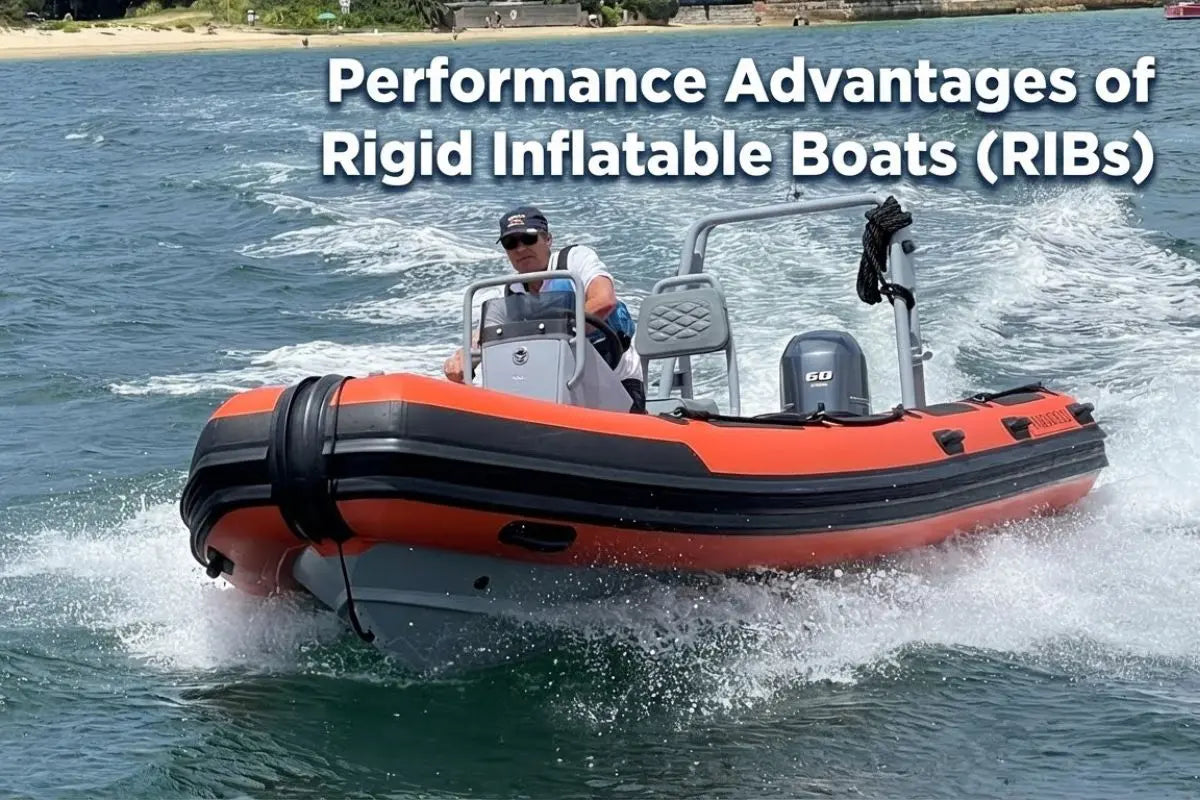

Choosing the right motor for your inflatable dinghy from Rover Marine is a decision that profoundly impacts your on-water experience: how far you can go, how quietly you travel, the maintenance commitment, and the overall safety and enjoyment of your trips. This comprehensive guide lays out the practical trade-offs between high-performance electric outboards and traditional petrol motors, empowering you to make a decision that perfectly fits your Rover Marine inflatable, your mission, and your budget. We'll explain how each drivetrain works, the real-world performance and range you can expect on a robust inflatable dinghy, and the maintenance and ownership costs that matter over time. Our analysis focuses on dinghy-specific details—weight and portability, transom mounting, battery capacity and charging logistics, and horsepower equivalents—and finishes with use-case recommendations such as quiet fishing, tender duties, or longer runs. Throughout, we highlight how these choices translate to unmatched on-water results with Rover Marine's superior inflatable models.

What Are the Key Differences Between Electric and Gas Outboard Engines for Inflatable Dinghies?
Electric outboards utilize a streamlined electric drivetrain—battery, controller, motor, and prop—to deliver instant torque with minimal moving parts. Petrol outboards, conversely, rely on an internal combustion engine, fuel, combustion chambers, and a geartrain to convert fuel into thrust. For owners of Rover Marine inflatable dinghies, this creates two distinct operational profiles: electrics run near-silent with zero local emissions and lower routine servicing, while petrol engines offer higher peak power and significantly longer refuel range, which is ideal for planing and heavy loads. Weight and portability also differ: electric batteries concentrate mass but can be swapped or carried as modular packs, offering flexibility for Rover Marine's portable designs, while petrol requires safe fuel storage and ventilation. These operational differences affect launch, storage, and safety planning, influencing choices like shaft length, transom reinforcement, and whether you carry spare batteries or jerry cans. Rover Marine's robust construction, featuring triple-layer reinforced military-grade 1100D PVC and reinforced transoms, ensures compatibility and durability for both engine types.
The two power types also behave differently at the throttle. Electric motors deliver full torque from zero RPM for sharp low-speed control, making them ideal for precise docking and quiet trolling with your Rover Marine dinghy. Petrol engines build power with RPM and tend to favor sustained, high-speed planing. This mechanical contrast changes steering feel, trim response, and how you manage loads in choppy water. The sections that follow break each system down, then summarize the core pros and cons to help you match a drivetrain to your typical Rover Marine dinghy missions.

How Do Electric Outboards Operate Compared to Gas Engines?
An electric outboard converts stored electrical energy into rotation through a motor and controller; the controller manages throttle response, can offer eco modes or throttle curves, and on some systems includes regenerative features. With far fewer wear items than combustion engines—no carburetors, oil changes, or spark plugs—maintenance is mostly seals, connectors, and battery care. The main failure modes for electrics are battery degradation, water ingress, and controller electronics, so charging habits and proper storage matter. On a Rover Marine inflatable dinghy, the compact drivetrain gives consistent low-speed torque that makes close-quarters handling and slow trolling exceptionally easy. The next section summarizes the practical advantages and limits of each option.
Research into electric outboard sustainability highlights the value of life‑cycle thinking and circular‑economy tools when transitioning from combustion production to electric manufacturing. journal
Sustainable Electric Outboards: Life Cycle Assessment and Circular Economy Indicators
To support industry shifts from internal combustion to electric outboard production, combining a robust environmental impact method like life cycle analysis with Design‑for‑Re‑X tools and circularity indicators helps quantify and improve the circular potential of the whole unit and its most impactful components — especially the motor unit and key electronic parts.
Life Cycle Assessment and Circular Economy Indicators to Design Sustainable Electric Outboards: Results From Workshops With Industrial Experts, M Saidani, 2023
What Are the Main Advantages and Disadvantages of Electric vs. Gas Outboards?
Electric outboards stand out for quiet, low‑emission operation and simpler servicing, making them a superb choice for Rover Marine dinghies used in sensitive environments. However, they’re limited by battery energy density and typically higher up‑front cost once a battery is included. Petrol outboards still lead when range, refuel speed, and sustained high‑power performance are priorities. Electric benefits: near‑silent running (better for wildlife and passenger comfort), reduced mechanical maintenance, and no onboard fuel fumes. Electric drawbacks: limited range tied to battery capacity, longer recharge times versus refuelling, and the need to plan for spare batteries or shore power. Petrol benefits: higher energy density for longer range, established refuelling infrastructure, and lower initial cost per peak horsepower. Petrol drawbacks: noise, exhaust emissions, ongoing engine servicing, and the complications of fuel handling.

How Do Performance and Range Compare Between Electric and Gas Outboard Motors for Inflatable Dinghies?
Performance and range ultimately come down to energy density and overall system efficiency. Petrol stores far more energy per kilogram than today’s batteries, which usually makes petrol outboards better for long runs and planing at speed. Electric motors, however, are exceptionally efficient at converting stored energy to thrust and excel at low‑speed, torque-heavy tasks. For Rover Marine inflatable dinghies, the key metrics to track are cruise speed (knots), usable runtime or range at a practical cruise, and how payload and sea state reduce those numbers. Knowing how power draw increases with speed is essential for planning trips and provisioning batteries. Rover Marine's 10 psi drop-stitch floors and 3.5 psi tubes provide a rigid, stable platform that maximizes the efficiency of both engine types.
Propeller pitch and selection are important levers for squeezing more performance from electric drives.
Electric Outboard Propulsion Performance: Propeller Pitch Optimization
Growing interest in electric propulsion has made propeller choice — especially pitch — a critical factor. Tests comparing different pitches showed measurable effects on thrust, energy consumption, boat speed and vibration; matching propeller characteristics to the motor and hull yields better efficiency and smoother operation.
Performance and Vibration Analysis of Electric Outboard Propulsion using Propeller Variations Based on Experiment, A Iswantoro
Below is a compact, model‑focused comparison of electric options commonly paired with compact inflatables, including those highly compatible with Rover Marine dinghies. The table highlights how manufacturers describe rated power, how batteries are packaged, and notes on portability—all practical points for Rover Marine dinghy compatibility and mission planning.
The table below compares representative electric models, including those sold through Rover Marine, by attribute rather than precise numeric specs; consult manufacturer pages for exact ratings.
| Model | Rated power description | Battery approach | Portability / Notes |
|---|---|---|---|
| ePropulsion Spirit 1.0 Plus | Positioned by the manufacturer for tender and dinghy use; **Highly compatible with Rover Marine inflatables.** | Available with integrated or external lithium packs; modular swap options | Built for low weight, easy carry, and quiet cruising; ideal for Rover Marine's portability. |
| Torqeedo Travel 1103 S | Targeted at compact tenders and leisure dinghies; **Highly compatible with Rover Marine inflatables.** | Dedicated lithium pack with integrated battery management | Streamlined controls and simple fitment for small inflatables; excellent match for Rover Marine's designs. |
| Small trolling/portable electrics | Sold as short‑shaft, portable units for light boats | Compact lithium packs or integrated cell designs | Prioritize minimal weight and carry‑on portability for inflatables |
The entries above show that electric systems differ mainly in how they package battery capacity—swappable external packs versus integrated batteries—and that portability and stowage are critical selection points for inflatables like Rover Marine's. The next section explains typical range dynamics and practical ways to extend runtime for day trips.
What Is the Typical Range and Battery Life of Electric Outboards for Dinghies?
Electric outboard runtime on a Rover Marine dinghy varies with speed, load, and sea conditions. At slow cruise or trolling speeds, many compact electrics deliver several hours of runtime suitable for day trips and tender duties. Pushing higher cruise speeds cuts runtime quickly because power demand rises non‑linearly. The biggest range factors are vessel weight, sea state, propulsion efficiency (prop match), and throttle management. To extend range: carry spare battery packs, run in eco or lower‑throttle modes, and optimize hull trim and load placement to reduce drag. Good battery health practices—avoiding deep discharges and storing batteries at recommended charge levels—also preserve usable capacity season to season.
What Are the Cost Differences Between Electric and Gas Outboard Engines?
Small petrol outboards often have a lower sticker price for a given peak horsepower, while electric systems usually cost more once a battery pack is included. Over time the economics shift: electrics cut routine maintenance and eliminate fuel bills, while petrol rigs carry recurring fuel and service costs. A total cost of ownership (TCO) view must include motor plus battery for electrics, fuel and regular servicing for petrol, and expected replacement cycles such as battery replacement or major engine work.
Life‑cycle cost analysis, including careful battery assessment, is key to understanding long‑term viability.
Electric Boat Propulsion: Life-Cycle Cost and Battery Analysis
Studies comparing electric and hybrid systems show that accurate battery life and life‑cycle cost modeling is essential to project ownership costs and to compare electric solutions with conventional petrol setups in real terms.
Emission and life-cycle cost analysis of hybrid and pure electric propulsion systems for fishing boats., S Molloy, 2006
The table below models the primary cost categories so you can compare upfront and running considerations without assuming exact numbers; replace placeholders with quoted prices from manufacturers when you budget.
| Cost Category | Electric outboard notes | Petrol outboard notes |
|---|---|---|
| Upfront cost | Motor plus battery typically raises initial price; modular batteries add to cost | Engine alone is usually cheaper; you’ll still need fuel containers and related gear |
| Annual running cost | Electricity to recharge plus minimal parts servicing | Fuel expenses plus routine servicing (oil, filters, spark plugs) |
| Maintenance | Lower frequency: seals, electrical checks and battery care | Regular mechanical service: fuel system care, oil changes and seasonal work |
| Resale / lifecycle | Battery health heavily influences resale value; replacement is a major expense | Engine hours and mechanical condition determine resale |
This view shows that electric systems shift costs from recurring fuel and mechanical servicing to battery capital and charging considerations, while petrol systems concentrate spending on fuel and periodic mechanical maintenance. The next section drills into upfront versus running costs with practical lifecycle trade‑offs.
How Do Upfront and Running Costs Differ for Electric vs. Petrol Outboards?
Upfront electric costs typically include both motor and battery; choosing integrated versus modular batteries significantly changes the initial budget. Electric running costs come from electricity per recharge and the amortized cost of eventual battery replacement. Petrol running costs come from fuel consumption per hour and routine maintenance like oil and tune‑ups. Over a 3–5 year window, an owner who does short local trips and can recharge ashore often sees lower cumulative operating costs with electric. A high‑mileage user doing long runs without shore power will usually find petrol more economical on a cost-per-mile basis. Battery cycle life and local electricity prices are essential inputs to any TCO estimate and should be taken from manufacturer guidance and utility rates.

What Are the Long-Term Maintenance and Reliability Considerations?
Maintenance differs by type. Petrol outboards need regular mechanical service—fuel‑system care, oil changes, and winterization—and common failure points include fuel contamination, carburetion issues, and wear in moving parts. Electric outboards shift maintenance toward battery health, seals, and controller electronics; they have fewer mechanical wear items but are more sensitive to water intrusion and battery misuse. Field reliability depends on correct storage, keeping batteries at recommended states of charge, and protecting electrical components from corrosion and shock. For Rover Marine dinghy owners who want predictable, low‑maintenance operation for short outings, electrics reduce routine work. For those needing remote, long‑range reliability, petrol remains more forgiving where refuelling is available.
Which Engine Type Is Best Suited for Different Dinghy Uses and Conditions?
Match engine choice to your Rover Marine dinghy’s mission, typical trip profile, and local support. Electric systems excel for quiet, short‑range activities and eco‑sensitive zones; petrol engines remain better for high‑speed planing, heavy loads, or long coastal hops where refuelling is practical. A mission‑first approach reduces trade‑offs: a Rover Marine yacht tender used for close anchorage work benefits from an electric motor, while an independent day‑boat that covers many miles or carries heavy loads usually suits a petrol outboard. Local rules and sensitive areas—no‑wake zones, bird sanctuaries, and marinas—also push many operators toward electric systems. Use the short scenario list below to map common dinghy uses to engine types.
- Quiet fishing and wildlife watching: Electric outboards for silent approach and minimal disturbance.
- Tender duties near a yacht or marina: Electric for comfortable docking and low fumes; petrol if frequent long shuttle runs are needed.
- Island hopping and long-range days: Petrol outboards for range and fast refuelling.
- Heavily loaded trips or planing at speed: Petrol for sustained high RPM power and efficiency when planing.
Many owners choose a mixed strategy—electric for daily short use and petrol for occasional long trips—to get the best of both worlds. Rover Marine also runs on‑water demos so you can feel these trade‑offs firsthand before you buy.
What Engine Is Ideal for Quiet Fishing, Leisure, and Eco-Sensitive Areas?
Electric outboards are the clear choice for dawn fishing, wildlife photography, and leisure cruising in sensitive areas: they run quietly and don’t emit local exhaust, which reduces disturbance and improves passenger comfort. For these activities, pick a battery capacity that covers expected trip time with a safety margin, choose an efficient prop for low‑speed thrust, and use conservative speeds to stretch runtime. Electrification also simplifies onboard safety by removing fuel vapors and the need for vented fuel storage. Practical tactics like carrying a spare battery, using a solar trickle charger while at anchor, or planning shore charging stop most range concerns for day trips and short multi‑stop outings with your Rover Marine inflatable.
When Is a Gas Outboard Better for Speed, Power, and Extended Trips?
Gas outboards win when you need planing performance, sustained higher speeds, or long, unrefuelled ranges. Petrol’s superior energy density means you can carry fuel to extend reach without the heavy battery banks. For Rover Marine dinghies intended to plane or carry heavy loads, follow the manufacturer’s recommended horsepower range (up to 6 HP for 8 ft models, 10 HP for 10 ft models, and 20 HP for 12 ft models) to stay safe and efficient. Petrol also offers quick turnarounds through rapid refuelling at fuel docks—a major convenience for charters, island‑hopping, or remote coastal runs. That said, petrol requires secure fuel storage, ventilation, and vigilance about fumes, which adds operational steps compared with electric setups.
How Do Rover Marine Dinghies Integrate with Electric and Gas Outboard Motors?
Rover Marine inflatables—including the Battle Boat and Battle Cat—are engineered for flexible motor installation and superior performance. Our dinghies feature triple-layer reinforced military-grade 1100D PVC construction, robust reinforced transoms, and high load capacities. The advanced 10 psi drop-stitch floors and 3.5 psi tubes create an incredibly stiff and stable platform, allowing you to mount either electric or petrol outboards while maintaining unmatched stability and safety. The Battle Cat’s unique inflatable catamaran hull improves lateral stability and helps offset battery weight, while the Battle Boat's inflatable V-hull offers excellent tracking and ride comfort. Both designs feature reinforced transom sections that accept short‑shaft electrics or compact petrol units within their recommended horsepower limits: up to 6 HP for 8 ft models, 10 HP for 10 ft models, and 20 HP for 12 ft models. Rover Marine builds for exceptional portability and easy launch, which pairs naturally with lightweight electric motors like the Torqeedo Travel 1103 S and ePropulsion Spirit 1.0 Plus for tender and tour work, but our high-spec designs also accommodate powerful petrol choices for owners who demand extended range and speed.
When choosing a motor for a Rover Marine dinghy, consider shaft length, the model’s maximum recommended horsepower, and whether you prefer integrated batteries or swappable packs. Those choices affect stowage, trim, and on‑water handling. Use the short checklist below when planning an installation.
- Transom compatibility: Use reinforced mounting points and respect the hull’s max HP guidelines (6 HP for 8 ft, 10 HP for 10 ft, 20 HP for 12 ft).
- Shaft length: Short‑shaft units usually suit compact inflatables unless hull flare or seating height require a longer shaft.
- Weight distribution: Stow batteries or fuel centrally and low to preserve trim and reduce porpoising, especially important with the Battle Boat's V-hull and Battle Cat's catamaran hull.
Experience Rover Marine Firsthand!
Book a demo or cruise with us to try different motors and dinghy setups on the water. Our guided demos and private charters help you judge noise, handling, and real‑world range before you buy, ensuring you make the perfect choice for your adventures.
What Features Make the Battle Boat and Battle Cat Compatible with Both Engine Types?
Rover Marine's Battle Boat and Battle Cat models are constructed from hard‑wearing, triple-layer reinforced military-grade 1100D PVC with reinforced seams and transom areas, specifically designed to handle the loads and stresses of both electric and petrol mounting while resisting abrasion and UV. The platforms offer multiple floor options—including our signature 10 psi drop‑stitch floors that create a stiffer, high-performance planing surface—which improves efficiency and comfort whether you’re running on electric torque at low speed or petrol power at planing speeds. Our 3.5 psi tubes provide exceptional buoyancy and rigidity. Hull shape and load capacity influence required horsepower; Rover Marine provides precise engine size guidance for safe handling: up to 6 HP for 8 ft models, 10 HP for 10 ft models, and 20 HP for 12 ft models. For installations, verify transom reinforcement points and use manufacturer‑specified mounting hardware to avoid concentrated stress and to protect warranty coverage, ensuring your Rover Marine dinghy delivers years of reliable performance.
How Engine Choice Impacts Handling on Rover Marine’s V-hull and Catamaran Hull Designs
The choice of engine significantly influences the handling characteristics of Rover Marine's distinct hull designs. The **Battle Boat**, with its inflatable V-hull, excels at tracking straight and cutting through chop, offering a smoother ride in varied conditions. With an electric outboard, the instant torque provides precise low-speed maneuverability, ideal for navigating tight spaces or holding position while fishing. A petrol engine, especially one capable of planing, will allow the V-hull to lift and skim across the water, offering exhilarating speed and efficient long-distance travel. Proper trim is crucial for V-hulls to prevent porpoising at speed. The **Battle Cat**, featuring an inflatable catamaran hull, offers unmatched lateral stability and a shallower draft. This design benefits greatly from the quiet, smooth power delivery of an electric outboard for stable, comfortable cruising and excellent load-carrying capability without significant trim changes. When paired with a petrol engine, the catamaran hull's inherent stability allows for confident high-speed runs, though its wider stance means it may not cut through waves with the same V-hull efficiency. Both hull types, supported by our rigid 10 psi drop-stitch floors, provide a solid foundation for optimal performance with your chosen motor, but understanding these nuances will help you fine-tune your setup for your specific boating style.
Which Electric Outboard Models Does Rover Marine Recommend for Their Dinghies?
For our high-spec Rover Marine dinghies, we commonly recommend compact electric options built for tender and recreational dinghy use, such as the ePropulsion Spirit 1.0 Plus and the Torqeedo Travel 1103 S. Both strike an excellent balance between low weight and usable runtime for day trips and tender duties, perfectly complementing the portability and performance of our inflatables. These systems differ in battery packaging—some use swappable external packs, others integrate the battery into the motor housing—and that choice affects how you plan stowage and charging. When weighing options, match the expected trip profile, decide if swappable batteries are needed for extended range, and pick the control interface that fits your helm layout. Our team at Rover Marine can provide expert guidance to ensure you select the ideal electric outboard for your Battle Boat or Battle Cat.
What Are the Most Common Questions About Choosing Between Electric and Gas Outboards for Rover Marine Dinghies?
Buyers usually ask whether an electric outboard makes sense for their Rover Marine dinghy, what operational downsides petrol engines bring to inflatables, and how to pick the right horsepower. Short, practical answers cut through marketing claims and steer you to a mission‑focused choice. The Q&A below provides quick guidance and points you to deeper calculations—like exact battery sizing or transom reinforcement—that may require manufacturer specs or hands‑on demos.
Is an Electric Outboard Worth It for a Rover Marine Dinghy?
Yes—for many Rover Marine dinghy owners, an electric outboard is absolutely worth it when the main use is short day trips, tender work, fishing, or eco‑sensitive cruising where quiet and zero local emissions significantly improve the experience. Electrification reduces routine maintenance and removes fuel fumes from the boat, though it does require planning around battery capacity and charging. Carrying a spare battery or arranging shore charging typically resolves range concerns for most day use. If you need long, remote trips without shore power, petrol may still be the better choice, but for comfort, wildlife encounters, and low upkeep, electric is an increasingly practical and superior option for your Rover Marine inflatable.
What Are the Disadvantages of Gas Outboards for Inflatable Dinghies?
Petrol outboards are noisier and emit exhaust that affects passenger comfort and wildlife encounters. They require regular mechanical maintenance—fuel‑system care, oil changes, and winterization—and introduce fuel‑handling steps like safe storage, ventilation, and spill avoidance. While you can mitigate some issues with sound damping, vented fuel containers, and strict maintenance, those measures add time and cost versus electric alternatives, which are often preferred for the ease of use with Rover Marine inflatables.
How Do I Choose the Right Horsepower for My Rover Marine Dinghy Engine?
Choose horsepower based on your Rover Marine dinghy’s length, typical load, desired top and cruise speeds, and the manufacturer’s maximum recommended HP for the hull. For Rover Marine inflatables, this means: **up to 6 HP for 8 ft models, 10 HP for 10 ft models, and 20 HP for 12 ft models.** A conservative approach favors safe handling and reserve power for adverse conditions over matching peak top speed. Decide whether you’ll commonly plane the boat—planing requires much more power and a different trim approach—versus displacement cruising at low speeds where torque and control matter more than peak HP. Always consult the Rover Marine engine rating guidance, keep weight inboard for balance, and allow a margin for extra gear or passengers to avoid being underpowered. Our 10 psi drop-stitch floors and robust transoms are designed to handle these power ratings with confidence.
Book a demo or join a cruise to test different motor and dinghy pairings in real conditions. Our guided sessions let you assess noise, handling, and practical range before you commit to a purchase or long‑term rental.
For hands‑on evaluation, prospective buyers can attend live demos and guided tours run by Rover Marine; these sessions let you compare motor pairings and dinghy models on the water so you can make an informed choice.
Frequently Asked Questions
What are the environmental impacts of electric vs. gas outboards?
Electric outboards create zero local emissions and run quietly, which reduces disturbance to wildlife and makes them a greener choice in sensitive waters. Petrol outboards emit exhaust and contribute to local air and water pollution, which can harm marine life and reduce comfort for passengers. That said, electric systems have upstream environmental considerations—battery raw‑material extraction and end‑of‑life recycling—that deserve attention. Overall, for day‑to‑day use in eco‑sensitive areas, electrics are generally the greener option for your Rover Marine dinghy.
How can I extend the range of my electric outboard?
To stretch electric range, operate at lower speeds (power demand rises rapidly with speed), carry spare battery packs, and optimize hull trim and load distribution to reduce drag. Use eco or low‑throttle modes when available and maintain batteries properly. Regular charging discipline and avoiding deep discharges will keep more capacity available trip to trip.
What safety considerations should I keep in mind with gas outboards?
With petrol outboards, prioritize safe fuel storage in approved containers, ensure good ventilation to prevent fume buildup, and follow regular maintenance to prevent fuel‑system failures. Know emergency procedures for fuel incidents and keep a fire extinguisher on board. Clear operational routines for refuelling and storage reduce risk.
Can electric outboards be used in saltwater environments?
Yes—many electric outboards are designed for saltwater use, but corrosion prevention is important. Choose marine‑rated models with corrosion‑resistant materials and waterproofing. Rinse the motor and connections with fresh water after each saltwater outing and inspect seals and electrical fittings regularly to maintain reliable performance.
What are the best practices for charging electric outboards?
Use the manufacturer‑approved charger and follow its instructions. Avoid deep discharges where possible; keeping batteries between roughly 20% and 80% state of charge can extend life. Charge after use when practical, store batteries in a cool, dry place and follow seasonal storage guidance. Regularly check battery health and connections to avoid surprises on the water.
How do I choose the right electric outboard for my Rover Marine dinghy?
Start with your Rover Marine dinghy’s size and weight to estimate required thrust. Pick a motor with battery capacity that covers your usual trip length plus a safety margin. Consider whether you prefer integrated batteries or swappable packs for flexibility, and factor in charger access. Motor weight and portability matter if you’ll be lifting and stowing the unit frequently. Read reviews, talk to other owners, and test drive options when possible to find the best match for your Battle Boat or Battle Cat.

Choosing the Perfect Engine for Your Rover Marine Inflatable Dinghy
Selecting the ideal engine for your Rover Marine inflatable is about matching its superior design and your boating aspirations. Our dinghies are engineered for versatility, durability, and performance, ensuring that whichever engine you choose, you'll experience exceptional quality on the water.
- For 8 ft Rover Marine Dinghies (e.g., compact Battle Boat models): These highly portable models are perfectly suited for electric outboards like the Torqeedo Travel 1103 S or ePropulsion Spirit 1.0 Plus. Their lightweight design and quiet operation make them ideal for tender duties, short fishing trips, or exploring calm waters. For those needing a bit more punch, a small petrol outboard up to 6 HP offers excellent performance for quick runs.
- For 10 ft Rover Marine Dinghies (e.g., mid-size Battle Boat or Battle Cat models): Offering a balance of portability and space, these dinghies perform exceptionally well with either electric or petrol power. Electric outboards provide ample thrust for day-long excursions and comfortable cruising. If speed, longer range, or carrying heavier loads is a priority, a petrol outboard up to 10 HP will unlock the full planing potential and robust performance of these versatile inflatables.
- For 12 ft Rover Marine Dinghies (e.g., larger Battle Boat or Battle Cat models): These larger, high-capacity inflatables are designed for more demanding missions, including extended trips, carrying multiple passengers, or serious fishing. While powerful electric systems can be considered for specific quiet-cruising needs, petrol outboards up to 20 HP are generally recommended to fully leverage their load-carrying capacity and achieve planing speeds. This ensures you have the power and range for ambitious adventures.
No matter your choice, Rover Marine's triple-layer reinforced military-grade 1100D PVC construction, 10 psi drop-stitch floors, and 3.5 psi tubes provide an unmatched foundation for reliability and enjoyment. We invite you to explore our full range of high-spec inflatable dinghies and find the perfect match for your next adventure.
Visit RoverMarine.com Today!
Ready to Find Your Perfect Rover Marine Dinghy?
Discover the unmatched durability, portability, and performance of our Battle Boat and Battle Cat models. Explore detailed specifications, view our full range, and find the ideal engine pairing for your adventures.