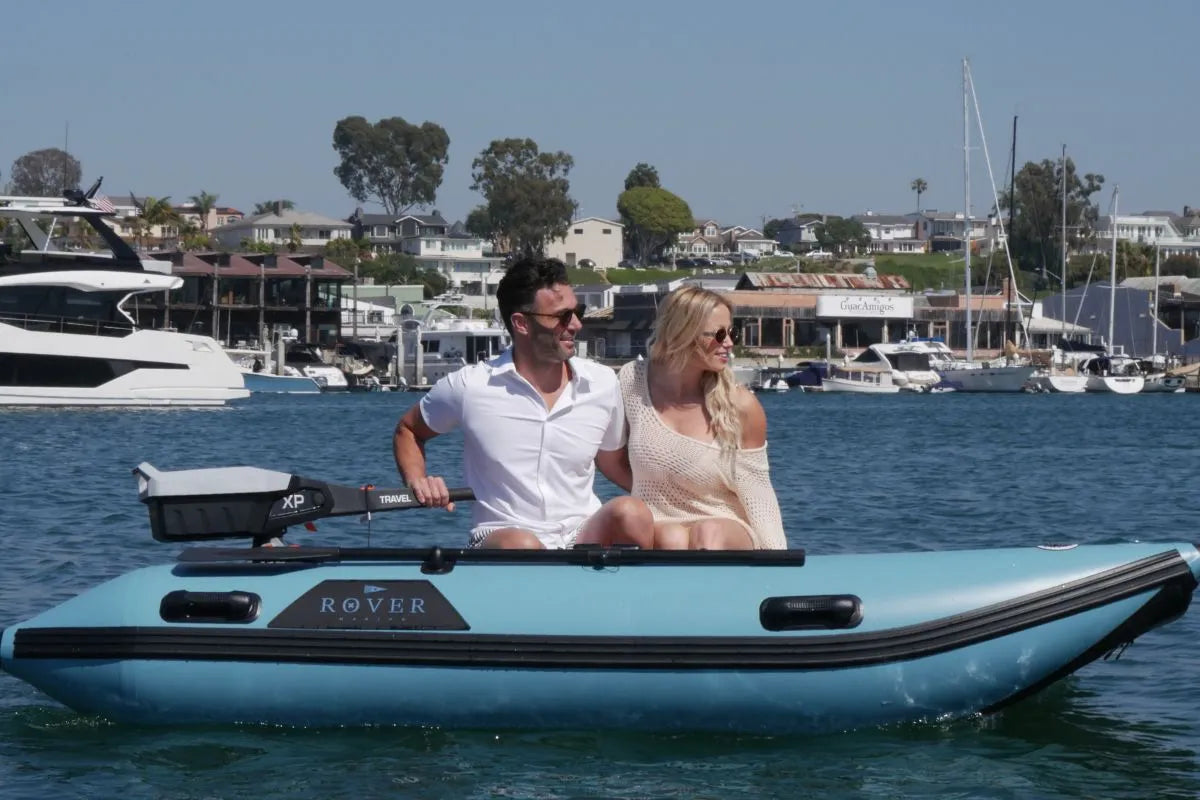
Independence Day 2026 lands on Saturday, July 4, which means a full holiday weekend on the water. Ramps will be busy early, anchorages will fill fast, and fireworks coves will be packed by sundown.
This is the planning kit for making the most of July 4 boating without turning the weekend into a recovery mission. We are covering where to go, what to pack, how to anchor around fireworks traffic, and what safety gear should be handled before you ever leave the driveway.
Rover Marine is a United States brand, so this guide is built around US boating conditions: lakes, reservoirs, coastal bays, rivers, harbors, marinas, sandbars, fireworks zones, and holiday-weekend enforcement.
Why July 4 Boating Needs a Better Plan
Independence Day is one of the busiest boating periods in the United States. That does not mean you should stay home. It means you should plan like the water will be crowded, the ramp will be slow, and every popular cove will fill earlier than usual.
A few risk factors stack up at once:
- Traffic density: More boats at ramps, docks, channels, sandbars, marinas, and fireworks viewing areas.
- Mixed experience levels: Holiday weekends bring out rental boats, new owners, visiting family, and crews who only boat a few times a year.
- Night operations: Fireworks viewing means many boats are anchored and underway after dark.
- Alcohol: Alcohol is a leading known contributing factor in fatal recreational boating accidents.
- Weather: July heat can build fast afternoon thunderstorms across many US boating regions.
The fix is not complicated. Leave early. Anchor early. Run sober. Check the forecast twice. Make sure your lights work before you need them. Have a return plan before the fireworks start.
Top 10 United States Destinations for 4th of July Boating
These destinations play well to a packable inflatable boat’s strengths: shallow draft, easy launch options, tender utility, beach access, and the ability to avoid the worst ramp traffic when the main launch sites are backed up.
Lake Tahoe, California and Nevada
High-altitude blue water, clean mornings, and iconic anchorages like Emerald Bay and Sand Harbor. Wind can build in the afternoon, so run early and keep the route conservative.
Lake of the Ozarks, Missouri
One of the busiest summer lakes in the Midwest. A stable inflatable works best when used from a quieter cove or as a tender, not as a main-channel wake fighter during peak traffic.
Lake Powell, Utah and Arizona
Sandstone walls, warm water, beach landings, and houseboat-style cruising. A packable tender is a natural fit for shore runs, short explorations, and beach setups.
Chesapeake Bay, Maryland and Virginia
Annapolis, St. Michaels, shallow creeks, and protected anchorages. The bay can get uncomfortable in wind, but shallow-draft boats are great for creek exploration.
Florida Keys, Florida
Key West, Marathon, mangrove edges, skinny water, and protected backcountry routes. Sun protection, hydration, and weather awareness matter here.
Lake George, New York
Classic Adirondack boating with clear water, island stops, and village fireworks. A portable inflatable makes a boat-camping style weekend easier to plan.
San Juan Islands, Washington
Protected bays and island routes with real tides, cold water, and strong currents. This is a beautiful destination, but it rewards conservative route planning.
Lake Champlain, Vermont and New York
Burlington fireworks, long north-south cruising water, and quiet coves along both sides of the lake. Watch wind direction because open stretches can build chop.
Boston Harbor, Massachusetts
Urban harbor boating, fireworks traffic, and daytime island options like Spectacle and Peddocks. A small inflatable makes more sense as a tender or short-hop boat than a traffic-heavy nighttime commuter.
Apostle Islands, Wisconsin
Lake Superior island scenery with a quieter feel than many holiday hotspots. Weather can change quickly, so this destination is best for boaters who respect cold water and open-lake conditions.
Fireworks From a Boat: Anchorage Etiquette
Watching fireworks from the water is one of the best ways to spend July 4. It also concentrates a lot of boats into a small area for several hours, often with limited light and tight swing room.
- Arrive early: Prime viewing spots can fill hours before sunset.
- Anchor with room: Account for rode length and full swing radius before you settle in.
- Use the right anchor: Sand and mud usually favor fluke-style anchors. Rock and weed usually favor grapnel or claw-style anchors.
- Do not drop over another rode: Watch the angle of nearby anchor lines before committing.
- Lights on at dusk: Use an all-around white anchor light when anchored and proper red and green sidelights when underway.
- Hold position during the show: Drifting boats create collision risk.
- Delay the exit: The first rush after the finale is usually the worst traffic of the night.
For the full anchoring technique, read how to anchor an inflatable boat. For anchor selection, read the Rover Marine inflatable boat anchors guide.
The 4th of July Day-Trip Packing List
| Category | Item |
|---|---|
| Safety | USCG-approved wearable PFD for every person onboard |
| Safety | Throwable device where required for your boat size and setup |
| Safety | Whistle, horn, or other sound-signaling device |
| Safety | Visual distress signals where required, especially coastal water, Great Lakes, or night operation |
| Safety | Navigation lights checked before sunset |
| Safety | Fire extinguisher if required by your propulsion, fuel, or compartment setup |
| Communication | VHF radio or phone in a waterproof pouch |
| Hull | Hand pump, repair kit, spare valve parts, and pressure gauge |
| Anchoring | Primary anchor, rode, chain leader, and a secondary anchor for crowded fireworks viewing |
| Hydration | At least 1 gallon of water per person for a long hot day |
| Food | Cooler, ice, snacks, and simple meals that do not require complicated prep |
| Sun | Sunscreen, sunglasses, hats, sun shirts, and shade where possible |
| Weather | Light rain shell and a plan for afternoon storms |
| Power | Phone power bank and spare electric-outboard battery if your setup uses one |
| Light | Headlamp or flashlight for each person staying after dark |
| Trash | Dry bag or trash bag for everything you brought in |
The Multi-Day 4th of July Packing List
For boat camping, island camping, houseboat tender duty, or a longer weekend, start with the day-trip list and add the following:
- Tent, sleeping bag, and sleeping pad for each person
- Camp stove, fuel, lighter, pot, and eating kit
- Dry bags for clothing, towels, electronics, and sleeping gear
- Extra water, with at least 1 gallon per person per day as the baseline
- Solar charger or portable power station for phones and small electronics
- Bug spray, first-aid kit, electrolyte tabs, and blister care
- Paper chart in a waterproof sleeve, plus compass
- Float plan shared with someone on shore
- Tarp for rain shelter, shade, gear cover, or ground cloth
- Site-specific camping permits where required
For a deeper planning guide, read Rover Marine’s upcoming multi-day boating trip planning article when it publishes.
What Safety Stops Look For on July 4 Weekend
The Coast Guard, state marine patrol, sheriff marine units, and local law enforcement are active on holiday weekends. A clean stop is usually quick. A messy stop can end the day.
- PFDs: One properly sized, serviceable wearable life jacket per person, with child rules followed exactly.
- Sound device: Whistle, horn, or other required sound-producing device.
- Visual distress signals: Required in many coastal, Great Lakes, and nighttime situations.
- Fire extinguisher: Required based on fuel, engine, compartment, and vessel configuration.
- Navigation lights: Working lights for sunset, night, and restricted visibility.
- Capacity compliance: Do not exceed the manufacturer’s person, weight, or horsepower ratings.
- Registration: Follow state registration requirements for your propulsion class.
- Sober operator: Boating under the influence enforcement is heavy during July 4 weekend.
State rules can vary. Check your state boating agency before launch, especially if you are traveling with an inflatable, using an electric outboard, or crossing state lines.
Pairing the Right Rover Marine Boat to the Destination
| Destination Type | Best Fit | Why |
|---|---|---|
| Big inland reservoir | Battle Cat 10 ft or 12 ft | Wide stance and catamaran stability help with family use, gear, chop, and wake. |
| Cold-water lake | Battle Boat 10 ft or 12 ft with electric power | Portable cruising setup with efficient tender-style handling. |
| Coastal estuary or backcountry water | Battle Cat 8 ft or 10 ft | Shallow draft and stand-up stability are useful in skinny water. |
| Island archipelago | Battle Boat 10 ft with electric outboard | Good fit for short island runs, tender use, and packable travel. |
| Urban harbor | Battle Boat 8 ft with electric outboard | Quiet, nimble, compact tender setup for slips, moorings, and harbor hops. |
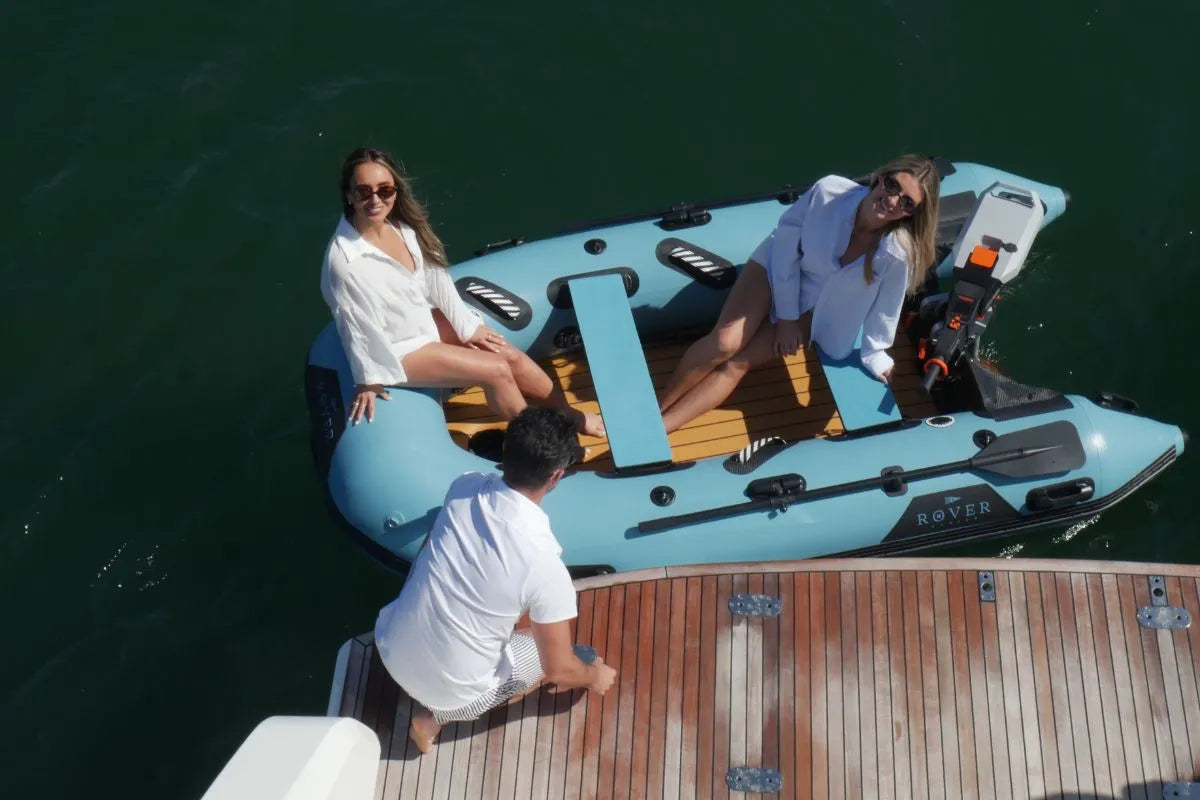
The Battle Boat comes in 8 ft, 10 ft, and 12 ft sizes, with the 8 ft model starting at $1,999. The Battle Cat comes in the same 8 ft, 10 ft, and 12 ft range, with the 8 ft model starting at $2,299.
Order Cutoff: If You Need a Boat by July 4
If you need a boat ready for July 4 weekend, do not cut it close. Give yourself time for order processing, delivery, inflation, setup, inspection, and a short test run before the holiday crowd hits the water.
Pair the hull with an electric outboard from the Rover Marine electric outboards collection for quiet harbor runs, tender use, and low-maintenance holiday boating.
FAQ
Is July 4 really more dangerous than other boating weekends?
July 4 is one of the busiest boating periods of the year, and the risk factors stack up: traffic, mixed experience levels, alcohol, heat, weather, and night operation. Treat it like a high-traffic boating weekend and plan accordingly.
What time should I leave the dock to get a good fireworks spot?
For popular fireworks anchorages, plan to be set well before sunset. In major harbors and crowded coves, that can mean arriving by mid-afternoon or earlier.
Do I need a fire extinguisher on an inflatable with an electric outboard?
It depends on the boat configuration, fuel, compartments, and state requirements. Many simple electric inflatable setups may not need the same equipment as fuel-powered boats, but you should confirm your exact setup with USCG and state boating rules.
What is the rule on alcohol on the water?
Do not drink and operate. Boating under the influence laws are heavily enforced around July 4, and alcohol is a leading known contributing factor in fatal boating accidents. The person at the tiller should stay sober.
Can I travel with a Rover Marine inflatable?
Yes. Rover Marine inflatables are designed to deflate, pack down, and store more easily than a traditional trailer boat. For air travel, always check current airline size, weight, and oversize baggage rules before booking.
Make July 4 Easy on the Water
A good July 4 boating weekend is built before launch day. Choose the right destination, bring the right safety gear, anchor with room, keep the operator sober, and plan your exit before the fireworks start.
- Shop the Battle Boat from $1,999
- Shop the Battle Cat from $2,299
- Browse electric outboards
- Read how to anchor an inflatable boat
- Browse the full Rover Marine catalog
Questions about the right boat, motor, or setup for your holiday weekend? Reach out through the Rover Marine contact page.


Leave a comment
This site is protected by hCaptcha and the hCaptcha Privacy Policy and Terms of Service apply.